Payment Gateway Integration for Real Estate
Payment Integration for Real Estate Companies
We build payment integration solutions for real estate companies that modernize how rent is collected, how transaction funds are managed, how commissions are disbursed, and how association fees are processed. Real estate payment flows are uniquely complex — involving trust account compliance, escrow management regulations, security deposit handling requirements, commission split calculations across multiple parties, and recurring rent collection across diverse tenant populations with varying payment preferences and financial capabilities.
4.9/5Verified rating
300+Clients served
23Products shipped
100+Case studies
Since 2015In production
84%
Electronic payment adoption up from 31% within 5 months of launch
84%
Reduction in monthly rent processing staff hours from 280 to 45
61%
Reduction in late payment rate from 18% to 7% past grace period
6mo
Time to full ROI on $145K platform investment through processing savings
Our integrations connect tenant-facing payment experiences with property management accounting, trust account compliance, and financial reporting systems.
Payment integration for real estate addresses payment complexity across multiple business models — property management companies collecting rent from thousands of tenants, brokerages disbursing commissions across agents and referral networks, development companies managing construction draws and investor distributions, and homeowner associations collecting dues and assessments from member communities. Each model involves regulatory requirements, multi-party fund distribution, and accounting complexity that standard payment processing does not address.
Digital rent collection has become a fundamental expectation for tenants and a significant operational efficiency opportunity for property managers. The transition from paper checks and money orders to digital payment acceptance reduces collection costs, accelerates cash flow, decreases late payment rates, and provides the payment data integration that eliminates manual posting of rent receipts to tenant ledgers. Modern rent payment platforms accept ACH bank transfers, credit and debit cards, and digital wallets while providing tenants with autopay enrollment, payment reminders, and mobile-optimized payment interfaces.
Trust account and escrow compliance represents a critical requirement for real estate payment systems. Property managers handle tenant security deposits and owner funds through trust accounts subject to state-specific regulations governing deposit timing, interest allocation, and disbursement procedures. Brokerages manage earnest money deposits in escrow accounts with regulatory requirements for segregation, accounting, and timely disbursement. Payment integrations must enforce these compliance requirements through transaction rules, account separation, and audit trail documentation rather than relying on manual compliance procedures.
Commission disbursement automation addresses the complex fund distribution that occurs at every real estate closing. A single transaction may involve commission splits between listing and buyer agents, team splits within each agent team, brokerage retains from each side, franchise fee calculations, referral fee disbursements to external brokerages, and transaction fee deductions — with each component potentially calculated differently based on agent agreements, cap status, and transaction specifics. Automating this calculation and disbursement eliminates errors, accelerates agent payment, and provides transparent documentation of every component.
At ZTABS, we develop payment integrations for real estate that address industry-specific regulatory requirements, multi-party fund distribution complexity, and the accounting system integration necessary for real estate financial management.
The Real Estate Market
Real estate payment technology has evolved significantly as tenant expectations, regulatory requirements, and operational efficiency pressures drive digital adoption across all property types and transaction categories. The digital rent collection market has matured with platforms including Zelle, PayPal, and dedicated property management payment processors providing both standalone and integrated payment solutions.
Digital rent payment adoption has reached mainstream levels in most markets, with 70 to 80 percent of tenants in professionally managed properties now paying rent electronically. However, the remaining 20 to 30 percent — often elderly tenants, unbanked populations, and tenants without reliable internet access — require continued acceptance of traditional payment methods including money orders and cashier checks. Payment platforms that serve property management must accommodate this mixed payment environment while driving digital adoption through convenience features that motivate transition.
ACH payment has become the preferred rent payment method for both property managers and tenants due to lower processing costs compared to credit cards. ACH transactions typically cost $0.25 to $1.00 per transaction versus 2.5 to 3.5 percent for credit card payments — a significant difference when collecting $1,500 average rent payments across hundreds or thousands of units. However, credit card acceptance remains important for tenants who need payment timing flexibility or want to earn rewards. The cost structure creates pricing decisions — whether to absorb credit card fees as an operating cost, pass fees to tenants as convenience charges, or incentivize ACH through lower convenience fees.
Property management payment platform integration has improved substantially. Major property management platforms including AppFolio, Buildium, Yardi, and RealPage include integrated payment processing that connects tenant payments directly to tenant ledger accounting. However, integrated solutions often limit payment processor choice, charge premium processing fees compared to independent processors, and may not support all payment methods or features that tenant populations require. Independent payment integrations that connect preferred payment processors with property management accounting provide more flexibility and often lower per-transaction costs.
Trust account compliance varies significantly by state, creating complexity for property managers operating across multiple jurisdictions. Some states require separate trust accounts for each property, while others permit commingled accounts with proper accounting. Interest earned on trust account deposits may be required to be credited to tenants in some jurisdictions. Security deposit handling regulations including maximum amounts, required deposit methods, and return timelines vary widely. Payment integrations must accommodate these jurisdictional variations through configurable compliance rules rather than one-size-fits-all processing.
Commission disbursement has historically been one of the most error-prone processes in brokerage operations. The combination of variable commission rates, team plan structures, cap tracking, referral fees, franchise obligations, and transaction-specific adjustments creates calculation complexity that manual processes handle inconsistently. Commission disputes between agents and brokerages are a common source of agent attrition, and errors in commission disbursement create accounting reconciliation issues that consume administrative time. Automated commission calculation and disbursement provides accuracy, transparency, and speed that builds agent trust and reduces administrative burden.
How We Deliver Payment Gateway Integration for Real Estate
Our payment integration for real estate covers digital rent collection, trust account compliance, commission disbursement, and association fee management — each designed for real estate regulatory requirements and property management system integration.
Digital rent collection platform development builds modern payment experiences for tenants integrated with property management accounting. We develop tenant payment portals providing web and mobile-optimized interfaces where tenants view current balances, payment history, and lease details, then pay using their preferred method including ACH bank transfer, credit and debit cards, Apple Pay, Google Pay, and cash payment through retail network partners for unbanked populations. Autopay enrollment enables tenants to authorize automatic monthly payments on configured dates with payment confirmation notifications and failed payment retry logic. Payment reminder automation sends configurable reminders via email and text at intervals before rent due dates with amounts owed, payment links, and late fee warnings. Late fee calculation automatically applies late fees according to lease terms after grace periods expire, with configurable fee structures including flat fees, percentage-based fees, and daily accumulation. Property management system integration connects payment processing with tenant ledger accounting — each payment automatically posts to the correct tenant account, property, and GL account without manual data entry, with exception handling for partial payments, overpayments, and misapplied funds.
Trust account and escrow management builds compliant fund handling infrastructure. We develop trust account ledger systems that track fund ownership within commingled trust accounts — maintaining per-tenant and per-owner sub-ledger balances that reconcile to the master trust account balance continuously. Security deposit management tracks deposit amounts, holding account assignments, interest accrual where required by jurisdiction, and return processing with automated deduction documentation and refund disbursement. Escrow management for transaction earnest money provides deposit receipt processing, segregated accounting, and disbursement automation upon closing or contract termination with regulatory compliant documentation. State-specific compliance configuration implements trust account rules for each operating jurisdiction including deposit timing requirements, interest allocation rules, account segregation requirements, and reporting obligations.
Commission disbursement automation calculates and distributes transaction proceeds according to complex brokerage compensation structures. We develop commission calculation engines that process each transaction through configured compensation rules — applying gross commission rates, calculating brokerage and agent splits based on agent plan type and cap status, deducting referral fees and franchise obligations, applying transaction fees and administrative charges, and producing detailed commission statements showing every component of the calculation. Disbursement automation executes payment distribution to all parties — agent accounts, referral brokerages, franchise accounts, and brokerage operating accounts — upon closing confirmation with audit trail documentation. Cap tracking maintains year-to-date commission accumulation for each agent against their annual cap, automatically adjusting split percentages when caps are reached. Agent commission portal provides agents with self-service access to their commission history, pending disbursements, cap progress, and detailed transaction-level commission breakdowns.
Association fee management builds payment collection and accounting for homeowner and condominium associations. We develop owner payment portals where association members view assessment amounts, special assessment obligations, account balances, and payment history with digital payment capability. Assessment billing automation generates regular and special assessment charges according to association governing documents and board resolutions. Delinquency management tracks past-due accounts with automated reminder sequences, late fee application, and lien filing preparation for accounts exceeding defined delinquency thresholds. Reserve fund accounting tracks association reserve contributions and expenditures with fund balance reporting for board oversight and reserve study compliance.
Ready to discuss your payment gateway integration project?
Free consultation — no commitment required.
Case StudyResidential Property Management
Property Management Company Digitizes Rent Collection Across 3,800 Unit Portfolio
The Challenge
A residential property management company overseeing 3,800 apartment units across 42 properties collected only 31 percent of rent payments electronically — the remainder arriving as paper checks and money orders processed through bank lockbox services and on-site management offices. Monthly rent processing consumed 280 staff hours across the organization: receiving and sorting physical payments, preparing bank deposits, posting payments to tenant accounts in the property management system, processing returned checks, and reconciling bank deposits with tenant ledger postings. Late payment rates averaged 18 percent past the 5-day grace period, generating significant administrative burden for late fee assessment, late payment notices, and delinquency follow-up. The lockbox processing service charged $1.85 per payment item plus monthly service fees totaling $6,200. The company operated trust accounts in three states with different regulatory requirements for security deposit handling and interest allocation.
Manual compliance with varying state requirements created audit risk — the most recent regulatory audit identified two security deposit interest calculation errors affecting tenant accounts. The company wanted to increase electronic payment adoption to 80 percent while improving the payment experience for tenants who drove satisfaction scores below market benchmarks for payment convenience.
Our Solution
We developed a comprehensive payment platform integrated with the company AppFolio property management system covering tenant payment experience, automated posting, trust account compliance, and delinquency management. Tenant payment portal: a branded payment portal accessible through web browser and mobile-optimized interface provided tenants with current balance display including rent, utilities, and any outstanding charges, payment method selection including ACH bank transfer at no tenant fee, credit and debit card at a $3.95 convenience fee, Apple Pay, Google Pay, and cash payment through a PayNearMe retail network integration enabling cash payments at 7-Eleven and CVS locations for unbanked tenants. Autopay enrollment with configurable payment dates allowed tenants to set recurring monthly payments with email and text confirmations. The portal displayed full payment history with receipt download and supported partial payments with clear remaining balance display.
Payment promotion campaign: to drive adoption, we implemented a digital payment adoption campaign including a $25 rent credit for first-time autopay enrollment, QR code flyers at all properties linking directly to the payment portal, text message invitations to all tenants with direct registration links, and property management staff training on guiding tenants through digital payment setup during in-person interactions. Automated payment posting: each digital payment automatically posted to the correct tenant account, property, and GL code in AppFolio through API integration without manual intervention. ACH returns and failed payments triggered automated tenant notification with retry scheduling and alternative payment method prompts. Partial payment processing posted received amounts with remaining balance calculation and automated balance-due notification. Exception handling queued unusual transactions including overpayments and misapplied payments for staff review with automated flagging and prioritization. Trust account compliance: the platform implemented state-specific compliance rules for the three operating jurisdictions.
Security deposit tracking maintained deposit records with holding account assignments, interest accrual calculation at jurisdiction-required rates, and automated annual interest credit posting where required. Trust account reconciliation tools compared sub-ledger balances across all tenant and owner accounts against master trust account bank balances daily, flagging discrepancies for immediate investigation. Compliance reporting generated trust account statements and security deposit interest documentation for regulatory audit readiness. Delinquency management: automated late fee assessment applied fees according to lease terms after grace period expiration with tenant notification. Delinquency escalation workflows triggered progressive communications: payment reminder on day 1 past due, late notice with fee assessment on day 6, demand letter on day 15, and legal referral preparation on day 30 — each step automated with manual override capability for staff managing tenant relationships. Delinquency dashboards provided property managers with portfolio-wide delinquency visibility sorted by severity, property, and duration with trend analysis.
The Results
Electronic payment adoption increased from 31 percent to 84 percent within 5 months of platform launch. Autopay enrollment reached 62 percent of all tenants — the $25 rent credit promotion drove initial enrollment with convenience sustaining continued participation. The cash payment retail network option ensured that 100 percent of tenants could pay digitally even without bank accounts — 6 percent of payments processed through the PayNearMe cash network. Monthly rent processing staff time decreased from 280 hours to 45 hours — an 84 percent reduction driven by automated payment posting that eliminated manual data entry for 84 percent of payments and reduced the volume of physical payments requiring manual processing. Lockbox service costs decreased from $6,200 monthly to $1,800 as physical payment volume decreased by 72 percent.
Late payment rates decreased from 18 percent to 7 percent past grace period — the improvement attributed to autopay automation eliminating forgotten payments, text message reminders prompting on-time payment, and the convenience of instant mobile payment removing friction from the payment process. Late fee revenue actually increased despite fewer late payments because automated late fee assessment was applied consistently to every late account rather than the inconsistent manual process that had missed fee assessment on an estimated 15 percent of eligible accounts. Trust account compliance achieved zero audit findings in the first regulatory audit following deployment — the automated interest calculation and daily reconciliation eliminated the manual calculation errors that had been identified previously. Security deposit interest credits were applied automatically with documentation trail for every tenant account.
Tenant satisfaction scores for payment convenience improved from the 38th percentile to the 79th percentile in industry benchmarks within the first year, contributing to a 4 percentage point improvement in lease renewal rates. Total platform development cost of $145,000 generated annual savings of $312,000 from reduced processing labor, lockbox cost elimination, and avoided delinquency through improved collection rates — achieving ROI within 6 months. Ongoing platform costs of $2,800 monthly including payment processing fees and hosting were substantially below the previous lockbox and manual processing costs.
Payment Gateway Integration Capabilities for Real Estate
- ✓Stripe Integration
Full Stripe integration — Checkout, Elements, Payment Intents, Subscriptions, Connect, Invoicing, and Billing Portal. We handle the complexity so you get a seamless payment experience.
- ✓Subscription Management
Recurring billing with free trials, proration, plan changes, cancellation flows, dunning for failed payments, and usage-based metering.
- ✓Multi-Payment Methods
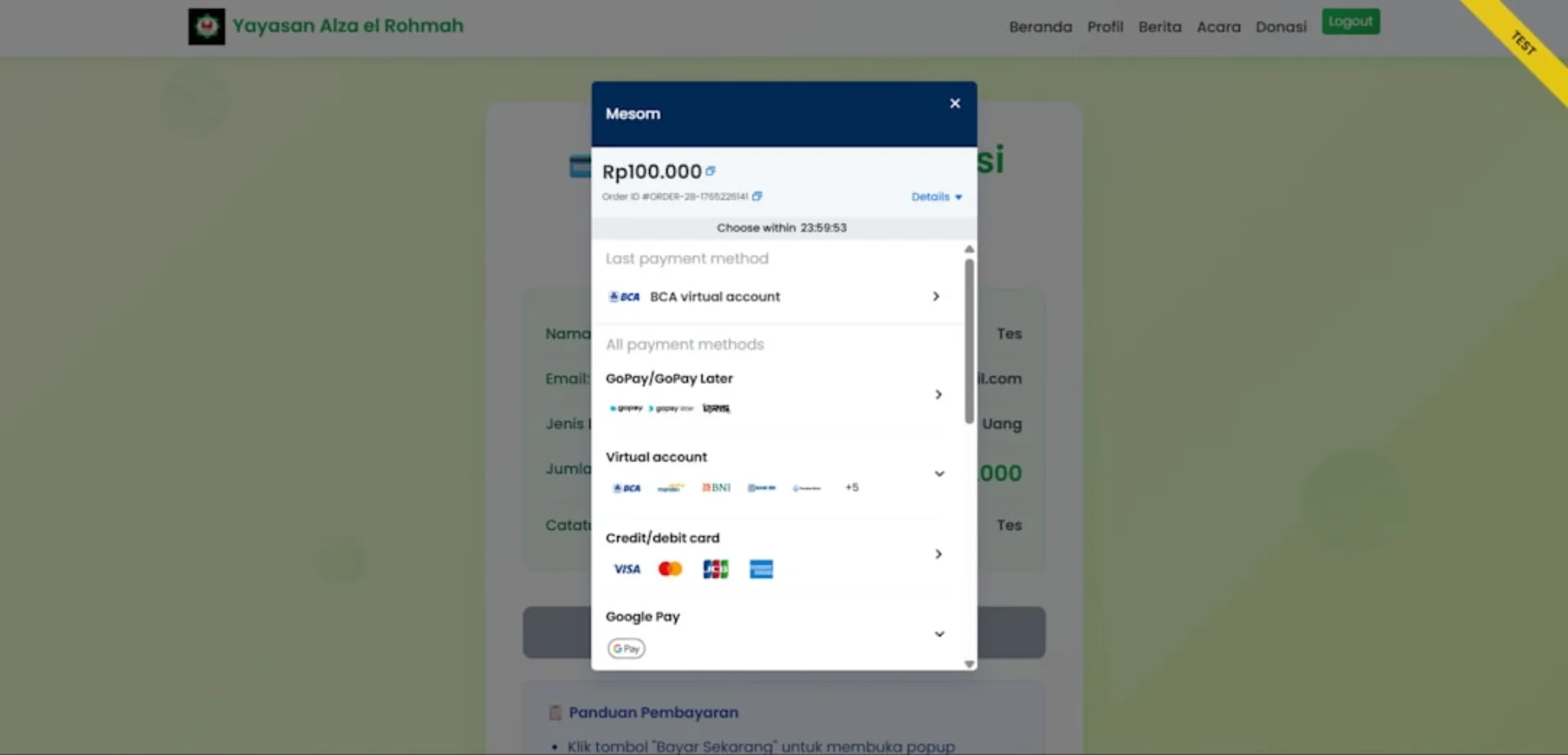
Accept credit cards, debit cards, ACH, Apple Pay, Google Pay, PayPal, bank transfers, and regional payment methods — all through a unified integration.
- ✓Marketplace Payouts
Split payments between your platform and sellers using Stripe Connect. Handle onboarding, identity verification, payout schedules, and tax reporting.
- ✓PCI Compliance
Our integrations use tokenization and Stripe Elements to minimize your PCI scope. No sensitive card data touches your servers.
- ✓Webhook Processing
Reliable webhook handlers for all payment events — succeeded, failed, refunded, disputed. Idempotent processing ensures no duplicate charges or missed events.
Payment Gateway Integration Landscape for Real Estate
Real estate payment integration is served by property management platform integrated payment processors, standalone rent payment platforms, payment gateway companies offering real estate modules, and general payment technology agencies. Property management platform processors like AppFolio Payments and Buildium Payments provide convenient integration but often at premium processing rates with limited payment method options. Standalone rent payment platforms provide focused tenant payment experiences but may lack property management system integration depth. Payment gateway companies offer processing capability but without real estate-specific compliance features including trust account management and commission disbursement. General payment agencies bring technical capability but typically lack understanding of real estate trust account regulations, commission structures, and property management accounting requirements.
Our real estate payment practice differentiates through trust account compliance expertise across multiple state jurisdictions, property management system integration depth that eliminates manual payment posting, commission disbursement calculation capability that handles complex brokerage compensation structures, and tenant experience design that drives digital payment adoption across diverse populations including unbanked residents.
Payment Gateway Integration Pricing for Real Estate
Payment integration for real estate is priced based on portfolio size, payment method breadth, compliance complexity, and system integration depth. Digital rent collection platform development ranges from $40,000 to $120,000 depending on payment method variety, property management system integration complexity, and multi-state compliance requirements. Commission disbursement automation ranges from $25,000 to $75,000 depending on compensation structure complexity and agent portal features. Association fee management platforms range from $20,000 to $60,000. Trust account compliance systems range from $30,000 to $80,000 depending on jurisdictional complexity.
Payment processing fees include ACH at $0.25 to $1.00 per transaction and credit card at 2.5 to 3.2 percent per transaction, with tenant convenience fee models available to offset processing costs. Platform hosting and support ranges from $1,500 to $5,000 per month depending on transaction volume and portfolio size.
Every engagement begins with a payment operations assessment ranging from $3,000 to $8,000 that evaluates current payment collection methods and costs, identifies digital adoption opportunities, assesses trust account compliance requirements across operating jurisdictions, and produces an implementation plan with ROI projections based on your portfolio size, current collection metrics, and processing cost structure.
Frequently Asked Questions
Common questions about payment gateway integration for real estate
The industry is split on this approach. Charging convenience fees for credit card payments while offering free ACH is the most common model — it encourages the lower-cost ACH method while still providing credit card access for tenants who prefer it. Some companies absorb all processing fees to maximize electronic adoption, viewing the labor savings from automated processing as greater than the payment fees. We analyze your specific payment volume, current processing costs, and adoption goals to recommend the fee structure that optimizes total cost of collection for your portfolio.
Ready for Payment Gateway Integration Built for
Real Estate?
Our team has deep expertise in real estate technology. Get a free consultation.
500+
Projects Delivered
4.9/5
Client Rating
90%
Repeat Clients