How We Approach AI SaaS Development
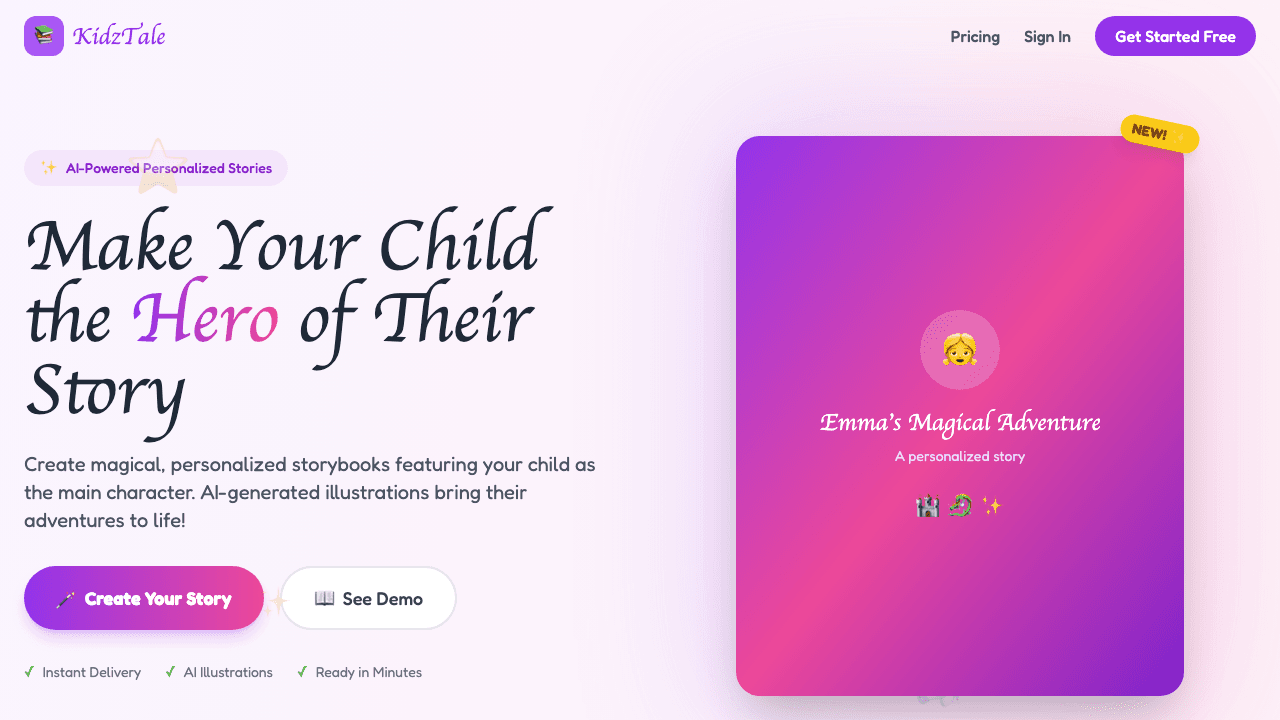
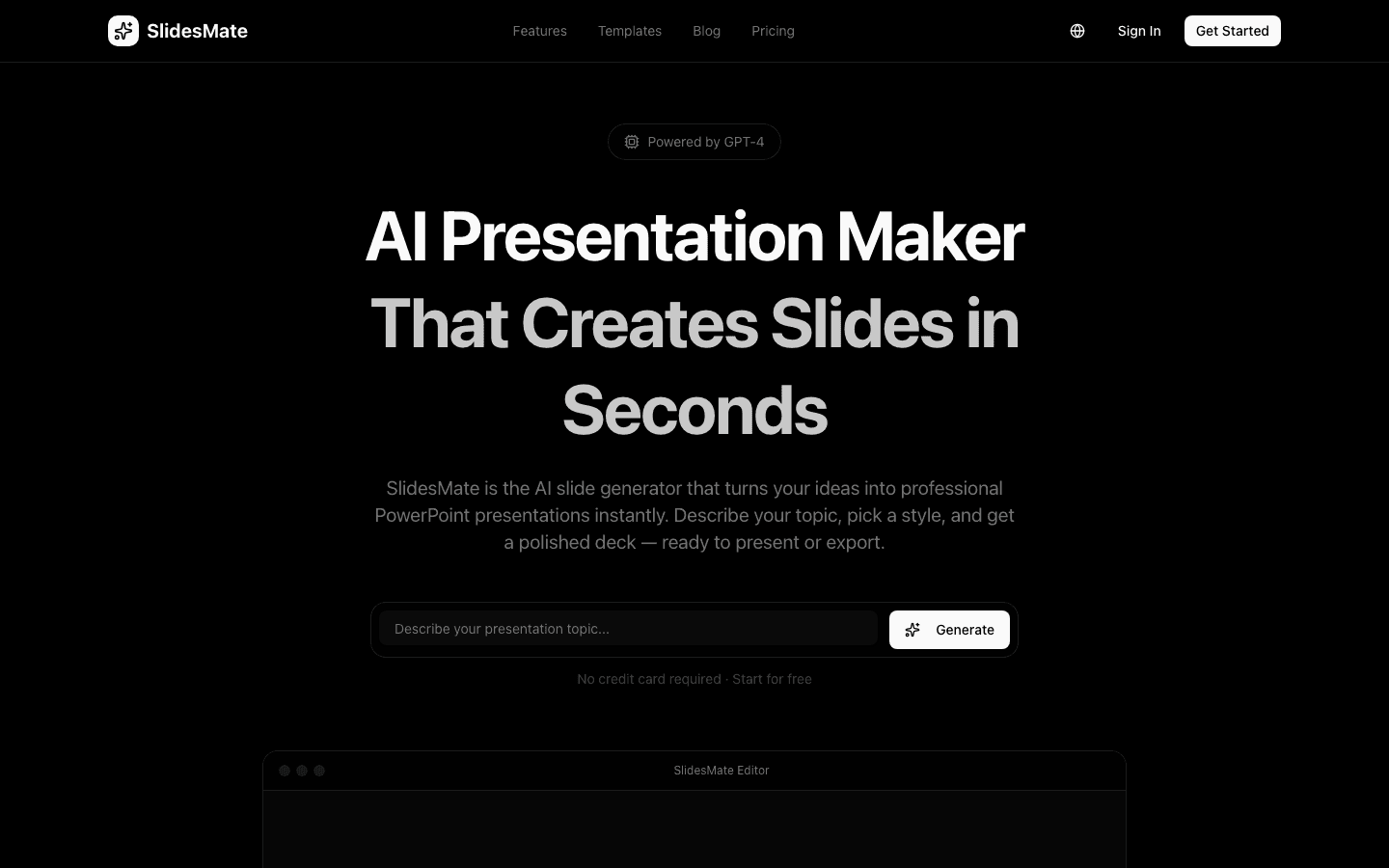
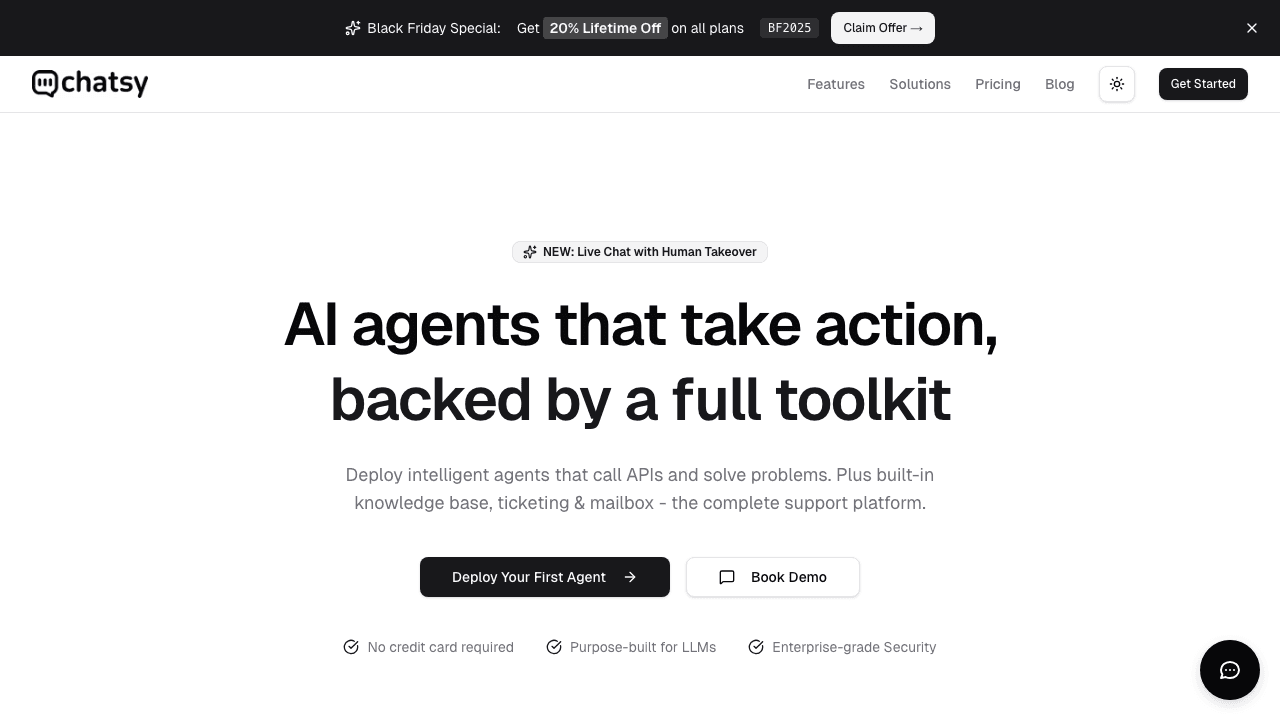
An AI SaaS product is fundamentally different from a traditional SaaS product with AI features added. The architecture, cost model, billing, and user experience all change when AI is core to the value proposition. We've learned this firsthand by building and operating 23 SaaS products — including AI-native ones like Chatsy (AI chatbot builder) and Morphed (AI image transformation platform).
The biggest challenge in AI SaaS isn't building the AI — it's managing the economics. LLM API calls cost money per request, and if your pricing model doesn't account for usage, you burn margin as users grow. We architect AI SaaS platforms with cost efficiency from day one: response caching, intelligent model routing (using cheaper models for simple tasks and powerful models for complex ones), batched processing for non-urgent operations, and usage-based billing that passes costs proportionally to users.
Multi-tenancy adds another layer of complexity. Each customer's data must be isolated, but you want shared infrastructure for cost efficiency. We build tenant-aware AI pipelines that maintain strict data separation while sharing model endpoints and embedding indices.
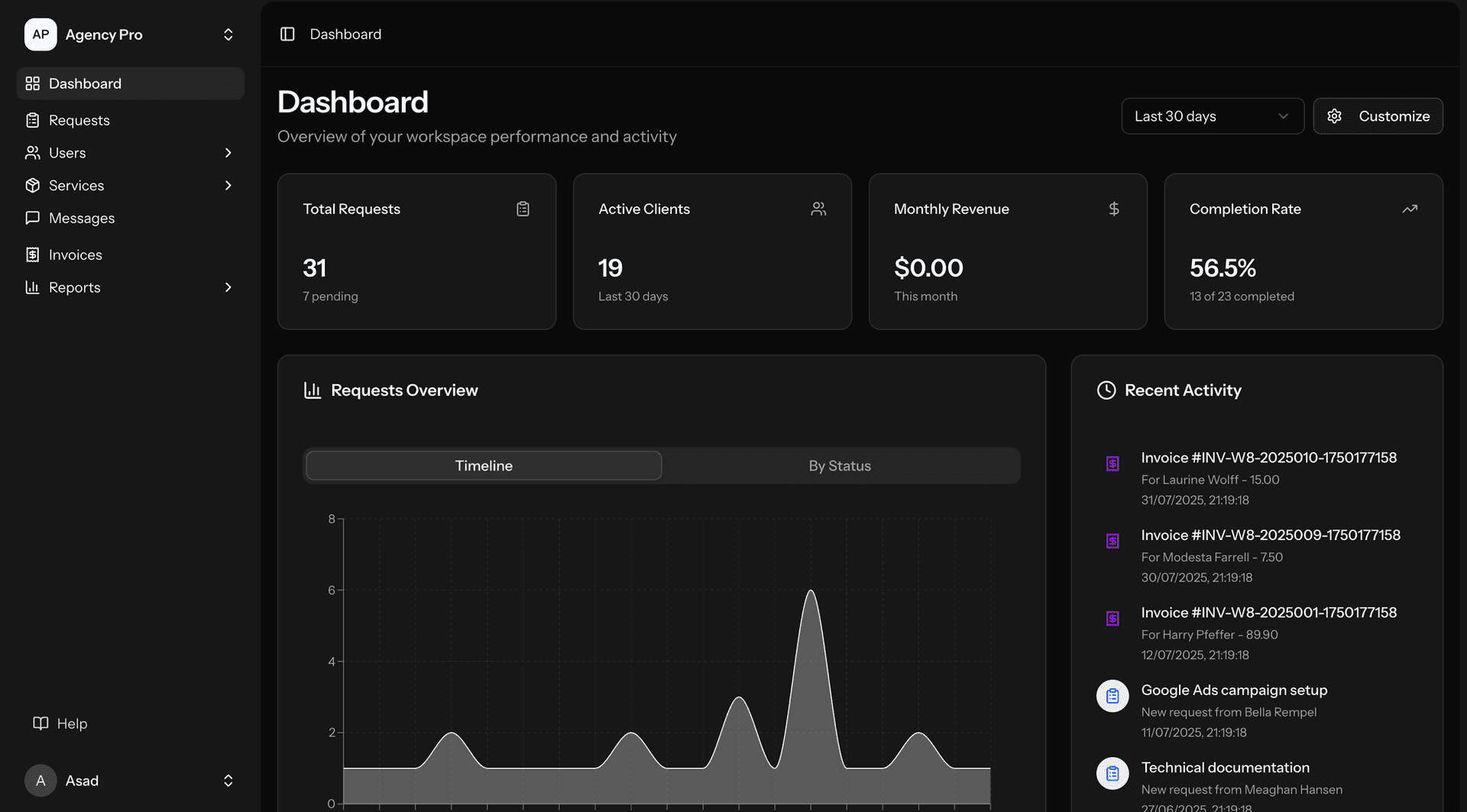
For startups, we focus on finding product-market fit fast: identify the 2–3 AI-powered features that define your value proposition, ship an MVP in 8–12 weeks, and iterate based on real usage data. For growth-stage companies, we focus on scaling infrastructure, optimizing AI costs, and building the analytics to understand how users interact with AI features.