Chatbot Development for Fitness & Wellness
Chatbot Development for Fitness & Wellness AI Assistants That Book Classes, Answer Questions, and Convert Prospects
Fitness and wellness businesses receive hundreds of repetitive inquiries weekly—class times, membership pricing, cancellation policies, facility amenities, trainer availability, and program details. When front desk staff are busy with in-person members, these inquiries go unanswered and prospects go to competitors.
4.9/5Verified rating
300+Clients served
23Products shipped
100+Case studies
Since 2015In production
63%
Increase in monthly trial class bookings
85%
Inquiries handled without human intervention
<30s
Lead response time down from 4 hours
$18K
Monthly membership revenue from recovered leads
AI chatbots for fitness and wellness provide instant responses to common questions 24/7, book classes and trials directly through conversation, qualify leads for membership sales, and deliver workout and nutrition guidance that extends the coaching experience beyond facility hours.
Chatbot development for fitness and wellness businesses creates AI-powered conversational interfaces that handle the high volume of repetitive inquiries that fitness operations generate while providing value-added services like workout guidance and nutrition advice. Fitness chatbots operate across multiple channels—website chat, WhatsApp, Instagram DM, Facebook Messenger, and SMS—meeting prospects and members on the platforms they already use.
Class booking and scheduling chatbots enable conversational booking that is faster and more natural than navigating schedule pages. A prospect can say "I want to try a yoga class this Saturday morning" and the chatbot identifies available options, presents them with descriptions, and completes the booking—all through natural conversation. Integration with scheduling platforms like Mindbody or Glofox enables real-time availability checking and instant booking confirmation.
Membership inquiry handling automates the most common sales conversation—prospects asking about pricing, included services, contract terms, and membership types. The chatbot presents options based on the prospect's stated needs and budget, answers follow-up questions, and either converts directly or schedules a consultation with a sales representative for prospects requiring human interaction.
Lead qualification through chatbot conversation captures and qualifies prospects who visit the website outside business hours or who prefer messaging over phone calls. The chatbot gathers name, fitness goals, experience level, schedule preferences, and budget range through natural dialogue, then routes qualified leads to the sales team with full context for follow-up.
Workout guidance chatbots provide exercise recommendations, form tips, and program suggestions based on member goals and experience. These chatbots extend the value of membership beyond facility hours, providing guidance that members might otherwise seek from consumer fitness apps—keeping engagement within the brand ecosystem.
Nutrition advice chatbots offer general nutrition guidance, meal suggestions, and healthy eating tips aligned with fitness goals. While not replacing professional nutrition counseling, chatbot-delivered nutrition content adds value to the membership and creates opportunities to promote the business's nutrition coaching services.
FAQ automation handles the dozens of repetitive questions that consume front desk time—hours of operation, parking information, what to bring, shower availability, guest policies, and equipment availability. Automating these inquiries frees staff to focus on in-person member interactions.
Post-visit engagement chatbots reach out to members after classes or sessions with feedback requests, progress check-ins, and next-session recommendations. This automated follow-up creates the personal attention that drives retention without requiring manual staff outreach to every member after every visit.
Multi-language support serves diverse fitness communities where members and prospects speak different languages. AI chatbots handle conversations in multiple languages naturally, providing accessible engagement for the full community without requiring multilingual staff coverage.
Membership renewal and retention chatbots proactively reach out to members approaching contract renewal, billing issues, or engagement decline. Automated renewal reminders, payment failure notifications with easy update flows, and re-engagement messages for members whose attendance has dropped create retention touchpoints that would otherwise require dedicated staff effort. These proactive conversations catch retention issues before they become cancellations.
Event and workshop promotion through chatbot conversations enables targeted outreach about special events, workshops, challenges, and seasonal programs. Rather than relying solely on email or social media announcements, chatbot-delivered event promotion reaches members through the conversational channels where they already interact with the brand, driving higher registration rates.
The Fitness & Wellness Market
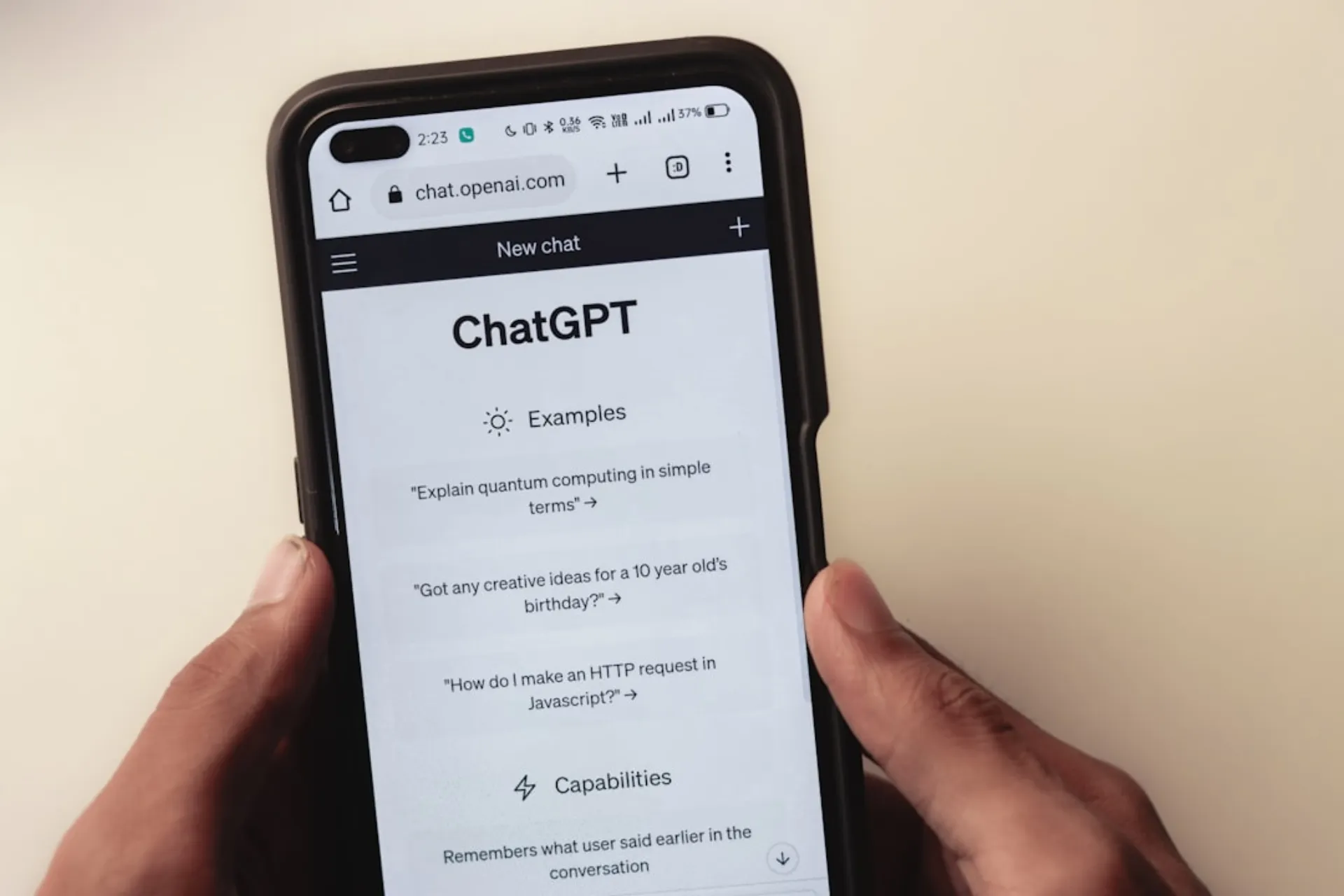
Consumer expectations for conversational AI have been set by interactions with ChatGPT, Siri, and Alexa—making prospects expect intelligent conversational responses rather than scripted chatbot flows. Fitness chatbots must deliver conversational quality that meets these expectations or risk creating a negative brand impression.
The fitness industry's operational pattern—high in-person traffic during peak hours combined with digital inquiries throughout the day—makes chatbot automation particularly valuable. Front desk staff cannot answer website chat inquiries while checking in members, processing payments, and managing facility operations during peak periods. Chatbots handle digital inquiries continuously regardless of in-facility activity levels.
Instagram DM has become a primary inquiry channel for fitness businesses as prospects discover studios through Instagram content and naturally inquire through the platform's messaging feature. Chatbot automation on Instagram DM captures these inquiries immediately rather than leaving them unanswered until staff checks messages.
The appointment-no-show problem in fitness—where 15 to 30 percent of booked sessions are not attended—can be partially addressed through chatbot reminder sequences. Automated reminders with easy rescheduling options reduce no-shows while maintaining the booking that manual cancellation of unconfirmed sessions would lose.
Privacy considerations for fitness chatbots include handling personal health information that prospects may share during conversations—injuries, medical conditions, physical limitations. Chatbot systems must handle this information appropriately, acknowledging the information while redirecting medical questions to qualified professionals.
The competitive differentiation that chatbots provide is particularly strong in fitness because most independent studios and gyms still rely on manual inquiry handling. A studio that responds to an Instagram DM in 15 seconds while competitors take 4 hours captures the prospect during their peak motivation moment—the moment when they are most likely to commit to a trial.
How We Deliver Chatbot Development for Fitness & Wellness
Our fitness chatbot development begins with conversation analysis—reviewing the actual inquiries that the business receives through all channels to identify the most common question types, the information prospects need to make booking decisions, and the conversation patterns that lead to conversion.
Conversation design creates the dialogue flows that handle each inquiry type naturally. Fitness chatbot conversations must balance efficiency—getting the prospect to a booking quickly—with warmth and personality that reflects the brand's energy. Technical conversation design accounts for the diverse ways people express the same intent.
Knowledge base development creates the information foundation that powers accurate chatbot responses. Class descriptions, membership details, facility information, trainer profiles, policies, and FAQ content are curated and structured for chatbot retrieval. This knowledge base is maintained as information changes—new classes, updated pricing, modified policies.
Platform integration connects the chatbot with scheduling, CRM, and communication systems. Booking integration enables class reservation during conversation. CRM integration logs conversations and creates lead records. Notification integration alerts staff when human handoff is needed.
Multi-channel deployment configures the chatbot for each communication channel—website widget, Instagram DM, Facebook Messenger, WhatsApp, and SMS. Each channel has different conversation patterns and technical constraints that channel-specific configuration addresses.
Launch and optimization deploy the chatbot with monitoring that tracks conversation completion rates, booking conversions, lead quality, and user satisfaction. Conversation logs identify where the chatbot struggles, enabling iterative improvement of dialogue flows and knowledge base coverage.
A/B testing of conversation approaches identifies which greeting styles, question sequences, and response formats produce the highest engagement and conversion rates. Testing reveals whether prospects prefer casual or professional tone, whether quick responses or detailed explanations convert better, and which call-to-action phrasing drives the most bookings. Data-driven conversation optimization continuously improves chatbot performance over time.
Analytics dashboard development provides the business team with visibility into chatbot performance—total conversations, resolution rates, booking conversions, common question categories, handoff frequency, and customer satisfaction scores. These dashboards enable management to assess chatbot ROI and identify opportunities for improvement without requiring technical analysis of conversation logs.
Ready to discuss your chatbot development project?
Free consultation — no commitment required.
Case StudyBoutique Fitness Studio Chain
Deploying an AI Chatbot Across 4 Channels for a Fitness Studio Chain
The Challenge
A boutique fitness chain with 5 locations received approximately 800 inquiries per week across website chat, Instagram DM, Facebook Messenger, and phone. Front desk staff could respond to approximately 350 during business hours—leaving 450 inquiries unanswered or delayed, particularly after-hours and during peak facility usage times. The chain estimated that unanswered inquiries cost approximately 80 trial bookings per month.
Our Solution
We deployed an AI chatbot across website chat, Instagram DM, Facebook Messenger, and WhatsApp with Mindbody integration for real-time class booking. The chatbot handled class schedule inquiries, membership pricing questions, trial class booking, facility FAQ, and lead qualification. Conversations that exceeded chatbot capability—complex membership negotiations, complaint handling, medical accommodations—were seamlessly transferred to staff with full conversation context. The chatbot operated 24/7 with brand-appropriate personality and multi-location awareness.
The Results
The chatbot handled 85 percent of all inquiries without human intervention. Trial class bookings increased from 120 to 195 per month—a 63 percent improvement—as after-hours and peak-time inquiries were no longer lost. Lead response time decreased from an average of 4 hours to under 30 seconds. Front desk staff spent 70 percent less time on digital inquiry handling, redirecting attention to in-person member experience. Customer satisfaction with chat interactions averaged 4.3 out of 5 stars. The chatbot generated an estimated $18,000 in monthly membership revenue from bookings that would previously have been lost.
Chatbot Development Capabilities for Fitness & Wellness
- ✓AI-Powered Chatbots
We build conversational agents using GPT-4, Claude, and open-source models like Llama. Each bot is trained on your business data using RAG pipelines so it answers questions accurately with your company's context.
- ✓Multi-Channel Deployment
Deploy your chatbot across your website, mobile app, Slack, Microsoft Teams, WhatsApp, and Facebook Messenger from a single codebase. Conversations sync across channels so users never lose context.
- ✓Natural Language Understanding
Our bots go beyond keyword matching. We implement intent classification, entity extraction, and sentiment analysis so the chatbot understands what users mean — even when they phrase things differently each time.
- ✓Real-Time Streaming Responses
Users see responses as they are generated, not after a loading spinner. We implement streaming output with typing indicators and fallback handling so the experience feels conversational, not robotic.
- ✓Conversation Analytics
Track resolution rates, average handle time, user satisfaction scores, and drop-off points. Our dashboards show which questions the bot handles well and where it needs human escalation, so you improve over time.
- ✓CRM and Help Desk Integration
Connect your chatbot to Salesforce, HubSpot, Zendesk, Intercom, or custom APIs. The bot can create tickets, look up order status, update CRM records, and hand off to a human agent with full conversation context.
Chatbot Development Landscape for Fitness & Wellness
The fitness chatbot landscape includes fitness-specific chatbot platforms, general chatbot builders with fitness templates, AI chatbot development companies, and social media automation tools with chatbot features.
Fitness-specific chatbot platforms provide pre-built conversation flows for common fitness inquiries and booking integration with popular gym management platforms. These solutions deploy quickly but limit customization and conversation quality compared to custom AI chatbots.
General chatbot builders like Chatbase, Botpress, and Intercom provide flexible chatbot development with AI capabilities. These platforms require customization for fitness-specific conversations but provide more sophistication than fitness-specific templates.
AI chatbot development builds custom conversational experiences with LLM-powered natural language understanding, deep platform integration, and brand-specific personality. Custom development provides the highest conversation quality but requires more investment.
Social media automation tools like ManyChat focus on specific channels—Instagram, Facebook Messenger—with automation capabilities. These tools serve channel-specific needs well but may not provide the cross-channel consistency and deep integration that fitness businesses with multiple inquiry channels require.
The quality differentiator for fitness chatbots is conversation naturalness and booking conversion rate. A chatbot that feels robotic or fails to understand common questions damages brand perception rather than enhancing it. Investment in conversation quality directly impacts the business results the chatbot delivers. Prospective members judge the entire brand through chatbot interactions, making conversation quality a brand reputation issue as much as a conversion optimization issue.
Chatbot Development Pricing for Fitness & Wellness
Chatbot development for fitness and wellness businesses ranges from $10,000 to $50,000 depending on channel count and conversation complexity. Single-channel chatbots for website or Instagram range from $10,000 to $18,000. Multi-channel deployments across 3 to 4 platforms range from $18,000 to $35,000. Advanced chatbots with AI-powered workout guidance, nutrition advice, and deep integration range from $35,000 to $50,000. Ongoing costs include AI inference, platform fees, and knowledge base maintenance—typically $300 to $1,500 per month depending on conversation volume.
Frequently Asked Questions
Common questions about chatbot development for fitness & wellness
Yes. Integration with Mindbody, Glofox, and other scheduling platforms enables the chatbot to check real-time availability and complete bookings during the conversation. Members receive booking confirmation and calendar invitations immediately.
Ready for Chatbot Development Built for
Fitness & Wellness?
Our team has deep expertise in fitness & wellness technology. Get a free consultation.
500+
Projects Delivered
4.9/5
Client Rating
90%
Repeat Clients