Payment Gateway Integration for Agriculture & AgTech
Payment Integration for Agriculture & Agribusiness
Agricultural payment processing involves unique complexity that standard payment integrations do not address—grain settlements with quality adjustments and deferred payment options, input purchases against revolving credit accounts with seasonal billing, patronage distributions to cooperative members, and multi-party transactions where a single grain delivery may involve payments to the producer, deductions to creditors, and allocations to deferred accounts simultaneously. Our payment integration services for agriculture build the financial transaction infrastructure that connects your agricultural business systems to payment processing—handling the domain-specific payment logic that farming operations require while maintaining the security, compliance, and audit trail standards that agricultural financial transactions demand.
4.9/5Verified rating
300+Clients served
23Products shipped
100+Case studies
Since 2015In production
Same day
Settlement-to-payment time (was 3-5 days)
100%
Deferred payment execution accuracy
0
Payment errors in first year ($42M processed)
$135K
Annual savings from payment automation
Payment integration for agriculture addresses financial transaction complexity that generic payment processing cannot handle. Agricultural payments are not simple credit card swipes or bank transfers—they involve commodity-based calculations, quality adjustments, contract terms, credit arrangements, and regulatory requirements that standard payment integrations were never designed to process.
Grain settlement payment integration automates the payment process for grain purchases—calculating net payment from gross value minus deductions (drying charges, storage fees, quality discounts, and creditor assignments), applying contract terms (deferred payment elections, basis fixation), and executing payment through the appropriate channel (check, ACH, wire transfer) based on producer preferences and payment timing requirements. Settlement payment integration connects grain accounting systems to banking infrastructure for accurate, timely producer payments.
Input purchase payment integration handles the credit-based purchasing that agricultural input sales commonly use. Farm customers purchase seed, fertilizer, and crop protection products against seasonal credit accounts that are settled after harvest. Payment integration manages credit limit verification, purchase authorization, statement generation, and eventual collection—including the interest calculations and partial payment handling that agricultural revolving credit requires.
Patronage distribution payment integration automates the annual member payment process for agricultural cooperatives. Patronage distributions involve complex calculations—allocating net income across divisions, applying allocation formulas that may differ by member category, generating individual distribution amounts, splitting between cash and equity allocations, and executing the cash payment portion. Payment integration connects patronage calculation systems to payment processing for accurate, efficient member distributions.
E-commerce payment integration enables agricultural businesses selling online to process payments securely through their web platforms. Farm-direct sales, input ordering portals, and agricultural marketplace transactions require payment processing that integrates with agricultural inventory, customer account, and fulfillment systems—not just standalone payment collection.
Vendor payment integration automates the accounts payable processes that agricultural businesses use to pay their suppliers—input manufacturers, transportation providers, service contractors, and landlords. Agricultural vendor payments often involve complex terms—seasonal dating, early payment discounts, volume rebate offsets, and commodity-price-linked payments. Payment integration handles these agricultural-specific payment terms within automated accounts payable workflows.
Multi-currency and commodity-linked payment integration serves agricultural businesses that transact internationally or price payments based on commodity values. Export grain sales, imported input purchases, and land rent payments tied to crop prices all require payment logic that incorporates currency conversion or commodity pricing into payment calculation.
The Agriculture & AgTech Market
Agricultural payment processing has unique characteristics that distinguish it from general commercial payment processing. Transaction values are typically large—grain settlements range from thousands to hundreds of thousands of dollars, and input purchases for large operations reach millions annually. These high-value transactions demand the security and accuracy that purpose-built agricultural payment integration provides.
Seasonal payment patterns create unique cash flow and processing requirements. Agricultural businesses experience concentrated payment activity during specific periods—grain settlement payments during and after harvest, input payments at planting, and patronage distributions at year-end. Payment infrastructure must handle these seasonal surges without processing delays or capacity constraints.
Deferred payment structures are common in agriculture and create payment complexity that standard systems do not support. Grain producers may elect deferred payment for tax management purposes—requiring payment execution months after delivery based on terms established at delivery time. Input suppliers offer seasonal dating where purchases made in winter for spring application carry payment terms extending through harvest. Payment integration must track and execute these deferred obligations accurately.
Regulatory compliance for agricultural payments includes specific requirements for grain warehousing, commodity dealer licensing, and agricultural lending. Payment integration must maintain the documentation and audit trails that state grain warehouse regulators, commodity dealer regulators, and agricultural credit regulators examine during compliance reviews.
Fraud risk in agricultural payments is significant due to high transaction values and the trust-based relationships common in agricultural commerce. Payment integration includes verification and authorization controls that protect agricultural businesses from fraudulent transactions while maintaining the processing speed that competitive agricultural commerce requires.
Banking integration requirements for agricultural businesses often involve relationships with agricultural lenders and rural banking institutions that may use different banking technology than major commercial banks. Payment integration must accommodate the specific banking interfaces and capabilities of the agricultural financial institutions that serve rural businesses.
How We Deliver Payment Gateway Integration for Agriculture & AgTech
Our payment integration development for agriculture begins with payment process analysis—documenting every payment type the agricultural business processes, the business rules that govern each payment type, the systems involved in payment calculation and execution, and the compliance requirements that each payment category must satisfy.
Payment architecture design creates the technical framework for agricultural payment processing. We design the connections between business systems (grain accounting, accounts receivable, accounts payable) and payment execution infrastructure (banking interfaces, payment processors, ACH networks). Architecture decisions address security requirements, processing volume capacity, and the fault tolerance needed for financial transactions.
Business rule implementation encodes the agricultural payment logic that drives correct payment calculation and execution. Grain settlement formulas, credit terms, patronage allocation rules, and deferred payment schedules are implemented as configurable business rules that agricultural financial staff can review and adjust as business terms change.
Security implementation provides the protection that agricultural financial transactions require. Encryption for data in transit and at rest, authentication for payment authorization, segregation of duties for payment approval, and fraud detection for suspicious transaction patterns protect agricultural businesses from financial loss and compliance violations.
Banking integration connects payment systems to the agricultural business's banking infrastructure. ACH origination for electronic payments, positive pay for check fraud prevention, wire transfer interfaces for high-value transactions, and banking API integration for balance verification and transaction confirmation are implemented based on the business's banking relationships and payment channel preferences.
Testing and validation ensures payment processing accuracy for every agricultural payment scenario. Settlement calculations are verified against manually computed reference values. Credit processing is validated against terms and limits. Patronage distributions are reconciled against source calculations. Security controls are penetration tested. Compliance documentation is validated against regulatory requirements.
Deployment and monitoring launches payment integration with the comprehensive oversight that financial processing demands. Transaction monitoring tracks every payment through the processing pipeline. Reconciliation processes verify that payments executed match the amounts and recipients intended. Exception handling identifies and escalates payment processing issues before they affect producer relationships or financial accuracy.
Ready to discuss your payment gateway integration project?
Free consultation — no commitment required.
Case StudyGrain Handling Cooperative
Grain Settlement Payment Automation for Multi-Location Cooperative
The Challenge
A grain cooperative handling 18 million bushels annually across 5 locations processed producer settlements through a manual workflow that required grain accounting staff to calculate net settlements, prepare payment batches in the banking system, obtain management approval through paper forms, and execute ACH or check payments. The process took 3 to 5 business days from delivery to payment. During harvest, when daily deliveries exceeded 400, the payment processing backlog extended to 7 days—frustrating producers who needed cash flow from their deliveries. Deferred payment elections required manual tracking on spreadsheets, with 12 percent of deferred payments in the prior year executed late or with errors. The cooperative processed $42 million in annual grain payments with a manual system that the board recognized as a business risk.
Our Solution
We built payment integration connecting the cooperative's grain accounting system to its banking infrastructure with automated settlement processing. When grain accounting completed a settlement calculation, the payment integration automatically determined the payment method based on producer preferences, applied deductions and assignments, calculated the net payment including any quality adjustments, and queued the payment for execution through the appropriate channel—ACH for electronic payment producers, check generation for check-preference producers. Deferred payment elections were tracked systematically with automated execution on the elected payment date. Management approval workflow replaced paper forms with electronic approval routing that could be completed from mobile devices. Multi-location settlement processing consolidated payment batches across all 5 locations for efficient banking execution. Comprehensive reconciliation verified every payment against the settlement calculation.
The Results
Settlement-to-payment time decreased from 3-5 business days to same-day for cash settlements and next-day for ACH processing. The harvest payment backlog was eliminated—producers received timely payment regardless of delivery volume. Deferred payment execution accuracy improved to 100 percent—zero late or erroneous deferred payments compared to 12 percent error rate under manual tracking. Payment processing that previously required 4 staff members working full-time during harvest was reduced to 1 staff member performing review and exception handling. The $42 million in annual grain payments processed with zero payment errors in the first year of automated operation. Management approval time decreased from an average of 6 hours with paper routing to 15 minutes with electronic mobile-accessible approval. The cooperative estimated annual savings of $135,000 from staff efficiency, error elimination, and the avoided cost of payment disputes and corrections.
Payment Gateway Integration Capabilities for Agriculture & AgTech
- ✓Stripe Integration
Full Stripe integration — Checkout, Elements, Payment Intents, Subscriptions, Connect, Invoicing, and Billing Portal. We handle the complexity so you get a seamless payment experience.
- ✓Subscription Management
Recurring billing with free trials, proration, plan changes, cancellation flows, dunning for failed payments, and usage-based metering.
- ✓Multi-Payment Methods
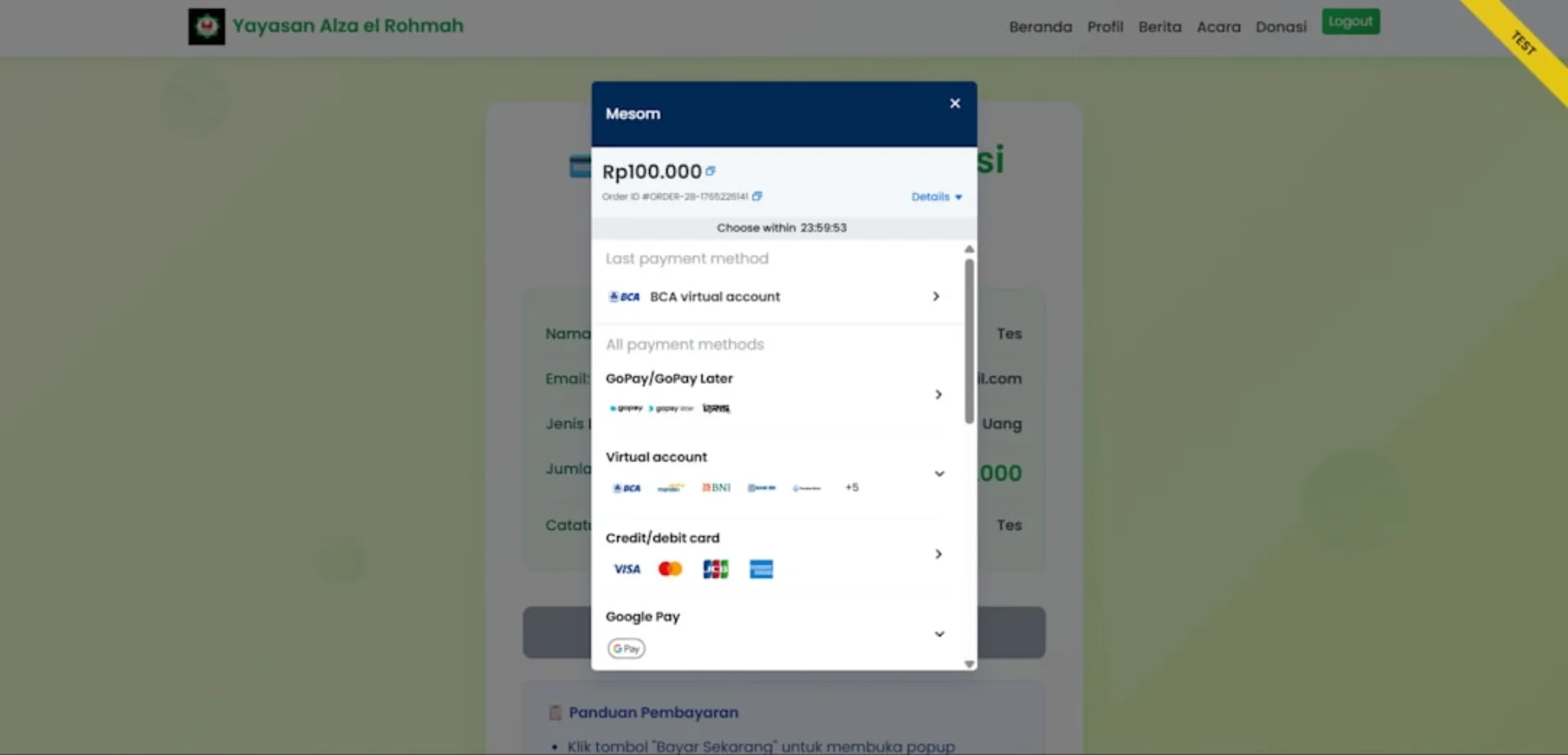
Accept credit cards, debit cards, ACH, Apple Pay, Google Pay, PayPal, bank transfers, and regional payment methods — all through a unified integration.
- ✓Marketplace Payouts
Split payments between your platform and sellers using Stripe Connect. Handle onboarding, identity verification, payout schedules, and tax reporting.
- ✓PCI Compliance
Our integrations use tokenization and Stripe Elements to minimize your PCI scope. No sensitive card data touches your servers.
- ✓Webhook Processing
Reliable webhook handlers for all payment events — succeeded, failed, refunded, disputed. Idempotent processing ensures no duplicate charges or missed events.
Payment Gateway Integration Landscape for Agriculture & AgTech
Payment integration for agriculture is served by agricultural software vendors with payment features, general payment processing companies, banking technology providers, and custom financial integration developers. Agricultural software vendors may include basic payment capability but often lack the integration depth needed for automated settlement processing, deferred payment management, and multi-channel payment execution.
General payment processing companies handle standard commercial payments but do not support the agricultural-specific payment types—commodity settlements, patronage distributions, and deferred payment structures—that agricultural businesses require. Banking technology providers offer payment infrastructure but require agricultural customization for domain-specific payment logic.
The differentiator is understanding both payment processing technology and agricultural financial transaction requirements. Partners who build secure, reliable payment systems and understand grain settlement calculations, cooperative patronage formulas, and agricultural credit structures deliver payment integration that handles the full complexity of agricultural finance.
Compliance knowledge for agricultural financial regulations is a critical differentiator because agricultural payment processing must satisfy regulatory requirements specific to grain warehousing, commodity dealing, and agricultural lending that general payment integrators may not be aware of.
Payment Gateway Integration Pricing for Agriculture & AgTech
Payment integration for agriculture typically ranges from $60,000 to $180,000+ depending on payment type scope, integration complexity, and compliance requirements. Focused payment integration for specific agricultural payment types (grain settlements, input credit) typically costs $60,000 to $100,000. Multi-payment-type integration with comprehensive settlement, credit, and vendor payment capability ranges from $100,000 to $140,000. Enterprise agricultural payment platforms with full payment type coverage, multi-location processing, and advanced compliance features cost $140,000 to $180,000 or more.
Ongoing payment platform costs typically range from $2,000 to $8,000 monthly for monitoring, security maintenance, and banking interface upkeep.
The ROI of agricultural payment integration is measured through processing speed improvement (enabling same-day settlement), error elimination (typically 95+ percent reduction in payment errors), staff efficiency (typically 60 to 80 percent reduction in payment processing labor), and the business relationship value of timely, accurate producer and customer payments.
Frequently Asked Questions
Common questions about payment gateway integration for agriculture & agtech
Yes. Deferred payment tracking and execution is a core capability. The system tracks elected deferral dates, monitors approaching payment deadlines, and executes deferred payments automatically on the designated dates—eliminating the manual tracking that causes deferred payment errors.
Ready for Payment Gateway Integration Built for
Agriculture & AgTech?
Our team has deep expertise in agriculture & agtech technology. Get a free consultation.
500+
Projects Delivered
4.9/5
Client Rating
90%
Repeat Clients