No-Code / Low-Code Development for Agriculture & AgTech
No-Code Development for Agriculture & Farm Operations
Agricultural businesses need custom digital tools—field inspection forms, inventory tracking systems, delivery scheduling apps, and compliance checklists—but hiring developers for every operational need is neither affordable nor practical for most farming operations. Our no-code development services for agriculture build custom applications using visual development platforms that agricultural staff can maintain and modify themselves—creating the operational tools your business needs at a fraction of traditional development cost, with the flexibility for your team to adapt applications as agricultural operations evolve season to season without waiting for developer availability or paying for code changes.
4.9/5Verified rating
300+Clients served
23Products shipped
100+Case studies
Since 2015In production
70%
Reduction in paper-based process time
85%
Compliance audit preparation time reduction
40%
Reduction in unplanned equipment downtime
75%
Cost savings vs previous software attempts
No-code development for agriculture democratizes software creation for an industry that has extensive custom operational needs but limited access to software development talent. Every agricultural operation has unique processes—specific scouting protocols, particular delivery procedures, custom quality grading criteria, and specialized compliance documentation—that generic software does not address. No-code platforms enable agricultural professionals who understand these processes to build applications that serve their specific operational needs.
Field data collection applications built with no-code tools replace paper forms and generic survey tools with structured, agricultural-specific data collection interfaces. Scouting forms with crop-specific observation fields, quality inspection checklists tailored to the operation's grading standards, and field activity logs with GPS and photo capture are built visually and deployed to mobile devices without coding.
Inventory and asset tracking applications manage the agricultural inputs, equipment, parts, and supplies that farming operations maintain across multiple locations. No-code inventory apps track quantities, locations, condition, and usage—providing real-time visibility into inventory levels that prevent stockouts during critical application or repair situations.
Delivery and logistics management applications coordinate the movement of agricultural products—grain deliveries to elevators, input deliveries to farms, and custom application service scheduling. No-code logistics apps track delivery requests, schedule assignments, monitor completion status, and generate documentation without the custom development that purpose-built logistics software requires.
Compliance and safety documentation applications ensure that required records are completed consistently and completely. Pesticide application records, equipment safety inspections, worker training documentation, and food safety checklists are built as no-code applications that guide users through required documentation steps and store completed records for regulatory review.
Customer and member management applications organize the relationship data that agricultural businesses maintain—customer contact information, communication history, service records, account notes, and the relationship context that drives agricultural business development. No-code CRM-like applications built for agricultural-specific relationship management provide the customer intelligence that generic CRM platforms deliver but configured for agricultural workflows.
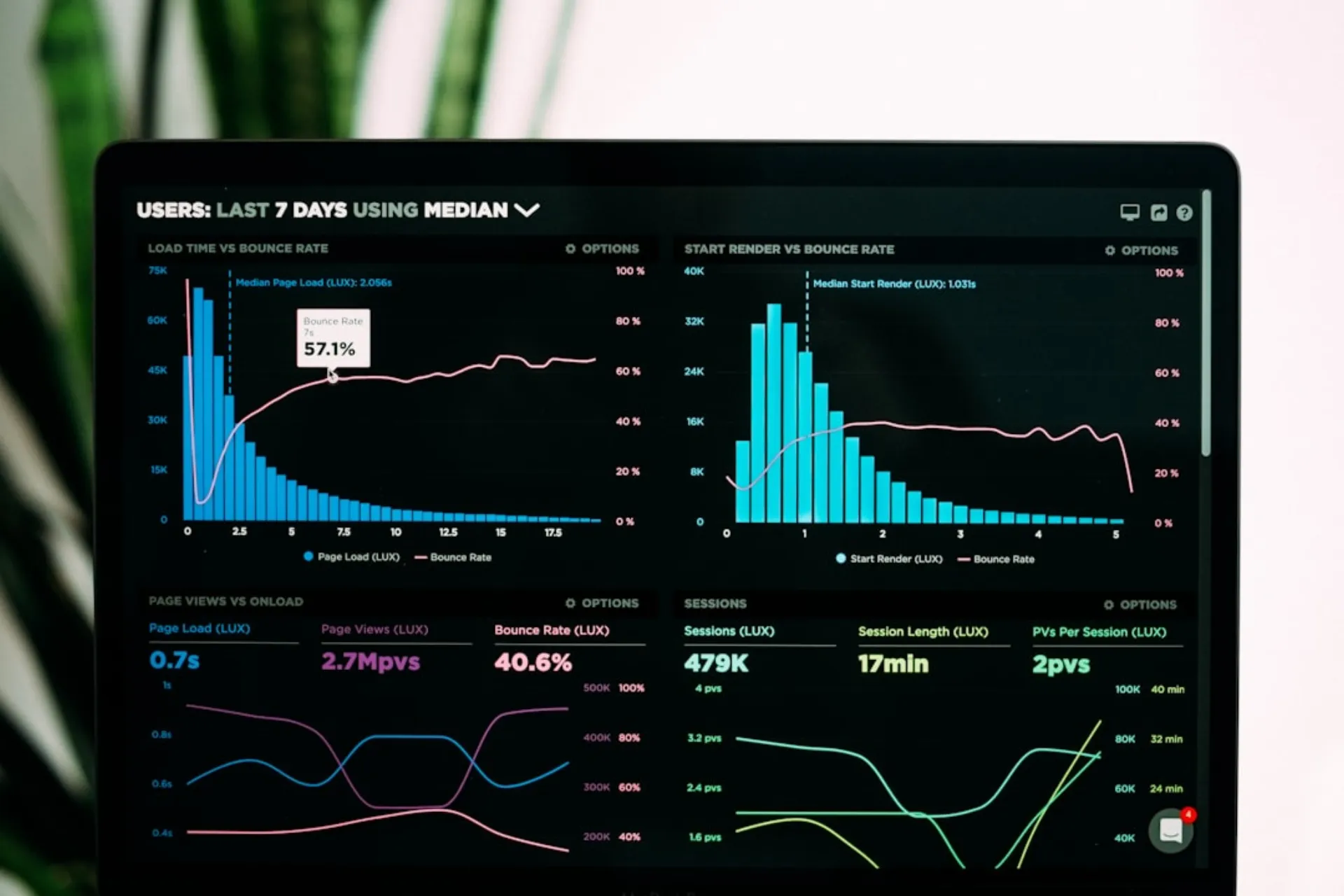
Operational dashboards and reporting applications aggregate data from multiple sources into visual displays that managers use for operational decision-making. No-code dashboard tools connect to spreadsheets, databases, and other applications to create real-time operational visibility—equipment status boards, grain inventory displays, and financial summary dashboards customized for agricultural management needs.
Workforce management applications handle the scheduling, time tracking, task assignment, and communication needs of agricultural labor management. Seasonal workforce onboarding, daily task assignment for farm crews, equipment operator scheduling, and harvest crew coordination are managed through no-code applications designed for the specific workforce patterns of agricultural operations.
The Agriculture & AgTech Market
No-code adoption in agriculture is accelerating as agricultural businesses discover that visual development platforms enable them to solve operational problems that they previously endured because custom software development was too expensive or too slow. Agricultural operations have accumulated manual processes, paper-based systems, and spreadsheet-dependent workflows that no-code tools can digitize rapidly.
The agricultural technology gap between available software and operational needs drives no-code adoption. Commercial agricultural software addresses major functions—farm management, grain accounting, financial reporting—but the hundreds of smaller operational processes that each agricultural business performs differently are not served by commercial products. No-code platforms fill this gap with custom applications built for each operation's specific needs.
Rural developer scarcity makes no-code particularly valuable in agriculture. Agricultural businesses in rural areas have limited access to software developers—the nearest development talent may be hours away, and competing with urban tech salaries for rural positions is difficult. No-code platforms enable agricultural staff to build and maintain operational applications without developer dependency.
Agricultural process variability between operations makes one-size-fits-all software inadequate. Every cooperative has slightly different grain settlement procedures. Every farming operation has specific scouting protocols. Every agricultural business has unique compliance documentation requirements. No-code tools enable each operation to build applications that match their specific processes rather than adapting their processes to fit generic software.
Mobile-first no-code platforms address the agricultural field-use requirement. Agricultural staff need applications that work on smartphones and tablets in the field—not desktop-only business applications. No-code platforms that generate mobile-responsive applications by default serve the mobile-first reality of agricultural work.
Integration capability in no-code platforms has improved dramatically, enabling no-code agricultural applications to connect with existing farm management systems, accounting software, and other business platforms. Connected no-code apps that share data with established systems provide more value than isolated applications that create additional data silos.
How We Deliver No-Code / Low-Code Development for Agriculture & AgTech
Our no-code development for agriculture begins with operational process assessment—identifying the manual processes, paper-based systems, and spreadsheet-dependent workflows that no-code applications can digitize. We prioritize processes based on time consumption, error frequency, and the operational value of digitization. Assessment also evaluates the agricultural team's comfort level with visual development tools to determine the appropriate balance between professional development and team self-service.
Platform selection evaluates no-code platforms against the agricultural organization's requirements—mobile capability, offline support, integration options, data storage capacity, and cost structure. We recommend platforms that match the operation's technical environment, budget, and the types of applications they need. Agricultural requirements like offline mobile access and field-friendly interfaces influence platform selection significantly.
Application design and development builds the initial set of no-code applications for prioritized agricultural processes. We design data models that organize agricultural information effectively, create user interfaces optimized for field and office use, configure workflow logic that matches agricultural business rules, and build integrations with existing systems. Development is collaborative—agricultural staff participate in design and testing to ensure applications match their actual work patterns.
Training and enablement prepares the agricultural team to maintain, modify, and create new no-code applications independently. Training covers the no-code platform's visual development tools, data management concepts, integration configuration, and the best practices for building reliable agricultural applications. The goal is team self-sufficiency—enabling your staff to adapt existing applications and build new ones as operational needs evolve.
Deployment and adoption introduces no-code applications to agricultural teams with attention to change management. We support the transition from paper and spreadsheet processes to digital applications, provide assistance during the initial adoption period, and help resolve the workflow adjustments that digital process changes require.
Ongoing support provides guidance for the agricultural team's continued no-code development—reviewing application designs, troubleshooting issues, advising on integration approaches, and helping with applications that exceed the team's current capability. Support transitions from active assistance to advisory as the team builds no-code development confidence and competence.
Ready to discuss your no-code / low-code development project?
Free consultation — no commitment required.
Case StudyAgricultural Cooperative Operations
No-Code Operational Platform for Agricultural Cooperative
The Challenge
An agricultural cooperative operating 4 locations managed dozens of operational processes through paper forms, spreadsheets, and manual tracking. Grain quality inspections used paper forms that were filed in physical folders. Equipment maintenance tracking relied on a whiteboard and individual memory. Compliance documentation for food safety and grain handling was compiled manually at audit time. Customer service requests were tracked on sticky notes. The cooperative's operations manager estimated that paper-based and manual tracking consumed 400 staff hours monthly across the organization. Two previous attempts to implement commercial operations software had failed because the software required the cooperative to change their processes rather than adapting to how they actually operated.
Our Solution
We developed 12 no-code applications covering the cooperative's priority operational processes. Grain quality inspection forms captured quality data on tablets at the scale house with automatic data storage and trend reporting. Equipment maintenance tracking replaced the whiteboard with a mobile-accessible maintenance management system tracking service schedules, work orders, and repair history across all equipment. Compliance documentation applications digitized food safety checklists, grain handling inspections, and workplace safety documentation with completed records automatically organized for regulatory review. Customer service request tracking replaced sticky notes with a structured request management system with status tracking and assignment routing. Delivery scheduling coordinated grain and input logistics across 4 locations. We trained 6 cooperative staff members on the no-code platform, and within 2 months they had independently built 4 additional applications for processes we had not initially addressed.
The Results
Paper-based process time decreased from 400 staff hours monthly to 120 hours—a 70 percent reduction. Compliance audit preparation time decreased from 3 days of manual record compilation to 2 hours of report generation—an 85 percent reduction. Equipment maintenance tracking improved from reactive (repairing after breakdown) to proactive (scheduling maintenance based on tracked service intervals), reducing unplanned equipment downtime by 40 percent. Customer service request resolution time decreased from an average of 3 days to 1 day due to systematic tracking and assignment. The 6 trained staff members built 4 additional applications independently within the first 2 months and continued developing new applications as they identified additional operational needs. The cooperative estimated annual value of $110,000 from combined efficiency gains, improved compliance readiness, reduced equipment downtime, and better customer service. Total development cost was 75 percent less than the commercial software implementations that had previously failed.
No-Code / Low-Code Development Capabilities for Agriculture & AgTech
- ✓Bubble Web Apps
Full-featured web applications with user auth, databases, payments, APIs, and responsive design — built visually on Bubble with production-grade architecture.
- ✓Retool Internal Tools
Admin panels, dashboards, CRUD tools, and workflow apps that connect to your databases and APIs — built in days instead of months.
- ✓Webflow Marketing Sites
High-converting marketing websites and landing pages with CMS, animations, and SEO optimization — designer-quality without custom code.
- ✓Airtable Workflows
Data management, project tracking, CRM, and automation workflows built on Airtable with custom views, automations, and integrations.
- ✓Custom Integrations
Connect no-code platforms to your existing tools — APIs, databases, payment systems, CRMs, and marketing tools via native plugins or custom connectors.
- ✓Migration Path
We design no-code solutions with a clear migration path to custom development when you outgrow the platform — no vendor lock-in.
No-Code / Low-Code Development Landscape for Agriculture & AgTech
No-code development for agriculture is served by no-code platform vendors, agricultural IT consultants, digital transformation agencies, and general no-code development services. No-code platform vendors provide tools but not agricultural process knowledge—their templates and examples target general business processes rather than agricultural operations.
Agricultural IT consultants understand farm operations but may not have deep expertise with no-code platform capabilities and limitations. Digital transformation agencies bring methodology but may over-complicate what should be simple, practical agricultural applications.
The differentiator is combining no-code platform expertise with agricultural operational understanding. Partners who know how to build effective no-code applications and understand how agricultural cooperatives, farming operations, and agribusiness companies actually work deliver applications that agricultural teams adopt and maintain.
Training and enablement quality is a critical differentiator because the long-term value of no-code depends on the agricultural team's ability to maintain and extend applications independently. Partners who train agricultural staff effectively create lasting capability rather than ongoing dependency.
No-Code / Low-Code Development Pricing for Agriculture & AgTech
No-code development for agriculture typically ranges from $25,000 to $100,000+ depending on application count, complexity, and training scope. Initial no-code projects building 3 to 5 agricultural applications with team training typically cost $25,000 to $45,000. Mid-scale implementations covering 6 to 12 applications with comprehensive process digitization range from $45,000 to $75,000. Enterprise no-code platforms with extensive application coverage, system integration, and advanced capabilities cost $75,000 to $100,000 or more.
No-code platform licensing typically costs $500 to $3,000 monthly depending on user count and feature tier.
The ROI of agricultural no-code development is compelling because development costs are 60 to 80 percent lower than traditional custom software while delivering applications precisely tailored to the operation's processes. Most agricultural businesses achieve payback within 6 to 10 months. The ongoing value of team self-sufficiency—building and adapting applications without external developer costs—continues generating returns indefinitely as the team develops new applications for evolving operational needs.
Frequently Asked Questions
Common questions about no-code / low-code development for agriculture & agtech
Yes. No-code platforms use visual builders that agricultural staff learn in days, not months. We train your team on the platform and coach them through their first independent application builds. Most agricultural teams are building new applications independently within 4 to 6 weeks.
Ready for No-Code / Low-Code Development Built for
Agriculture & AgTech?
Our team has deep expertise in agriculture & agtech technology. Get a free consultation.
500+
Projects Delivered
4.9/5
Client Rating
90%
Repeat Clients