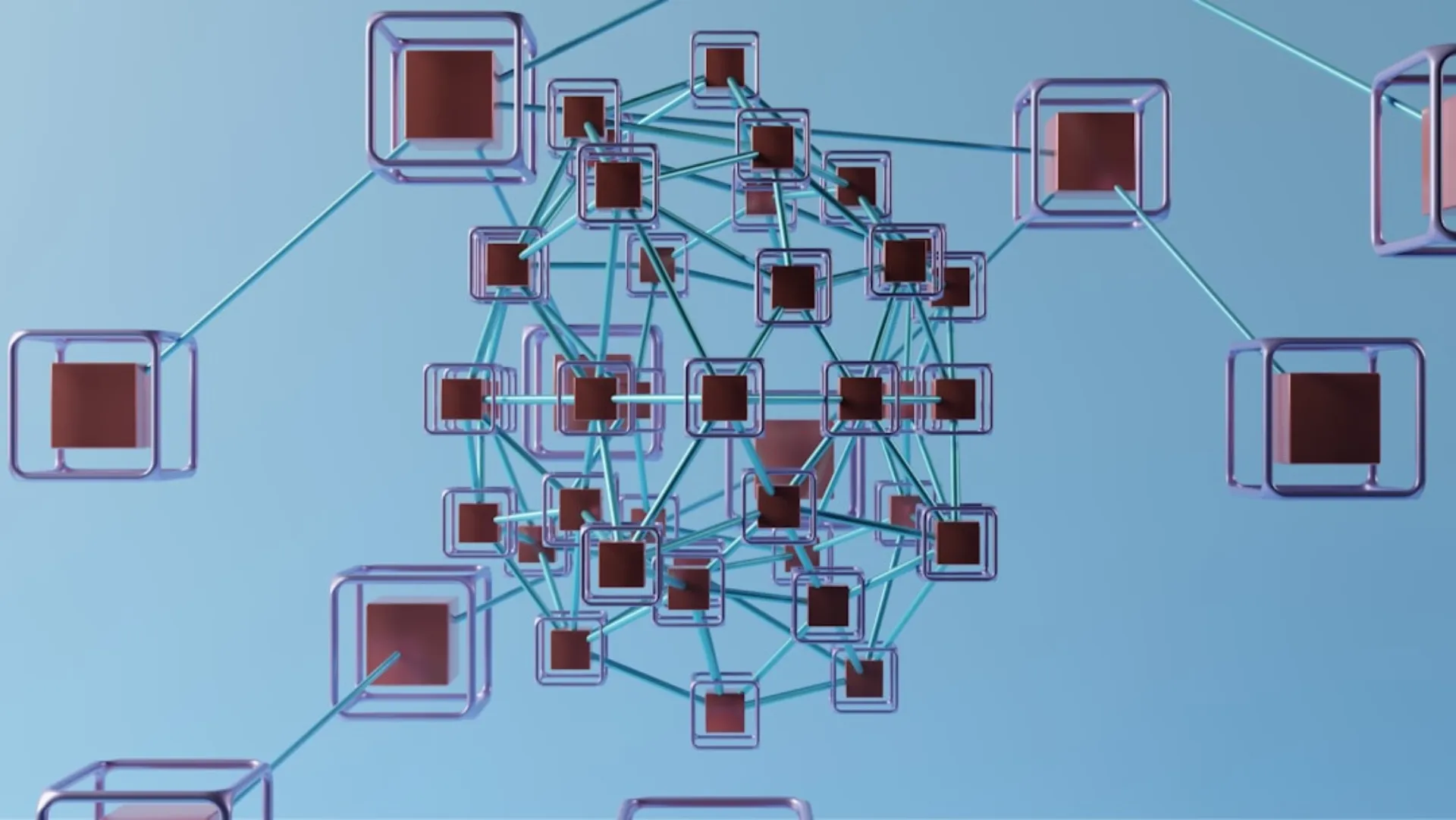
Berlin's multi-agent orchestration demand comes from enterprises with complex, multi-step processes that AI can automate. Manufacturing and supply chain: German Mittelstand manufacturers (4,000+ manufacturing companies in Berlin-Brandenburg) manage complex supply chains — sourcing components from global suppliers, managing production schedules, coordinating logistics, and ensuring quality compliance. A multi-agent system for manufacturing orchestration: a planning agent (decomposing production orders into component requirements), a sourcing agent (searching supplier databases, comparing prices, checking lead times), a compliance agent (verifying supplier compliance with Lieferkettengesetz — human rights due diligence, environmental standards, conflict minerals), a logistics agent (optimising shipping routes, booking freight, tracking deliveries), and a quality agent (monitoring incoming component quality against specifications). These agents: operating autonomously but coordinated, handling the constant flow of supply chain decisions that currently requires teams of procurement, logistics, and compliance staff. Financial services: Berlin's fintech ecosystem (N26, Raisin, solarisBank, Trade Republic — all headquartered or significantly present in Berlin) processes thousands of financial operations daily: customer onboarding (KYC verification, sanctions screening, risk assessment), transaction monitoring (AML compliance, fraud detection, suspicious activity reporting), and regulatory reporting (BaFin submissions, ECB requirements). A multi-agent system for financial compliance: a KYC agent (verifying identity documents, checking against sanctions lists — EU consolidated sanctions list, UN Security Council lists), a transaction monitoring agent (analysing transaction patterns against AML rules), a SAR agent (preparing suspicious activity reports for the FIU — Financial Intelligence Unit), and a regulatory reporting agent (compiling and formatting BaFin regulatory submissions). Document processing: German enterprises generate and process enormous volumes of documents — contracts, invoices, regulatory submissions, technical documentation. A document processing multi-agent system: an intake agent (classifying incoming documents — Rechnung, Vertrag, Mahnung, Lieferschein), an extraction agent (pulling structured data from each document type), a validation agent (cross-referencing extracted data against master data — is this supplier in our system? Does the PO number exist? Is the VAT ID valid?), a routing agent (sending validated documents to the correct department or workflow), and an archive agent (filing documents in compliance with GoBD — German document retention requirements). Logistics: Berlin's logistics sector (DHL/Deutsche Post headquartered in Bonn but with major Berlin operations, Hermes, DPD, and thousands of logistics companies) manages complex routing, scheduling, and capacity optimisation problems. Multi-agent logistics: a demand forecasting agent, a route optimization agent, a capacity allocation agent, and a real-time adjustment agent (handling disruptions — traffic, weather, vehicle breakdowns — and re-routing dynamically).