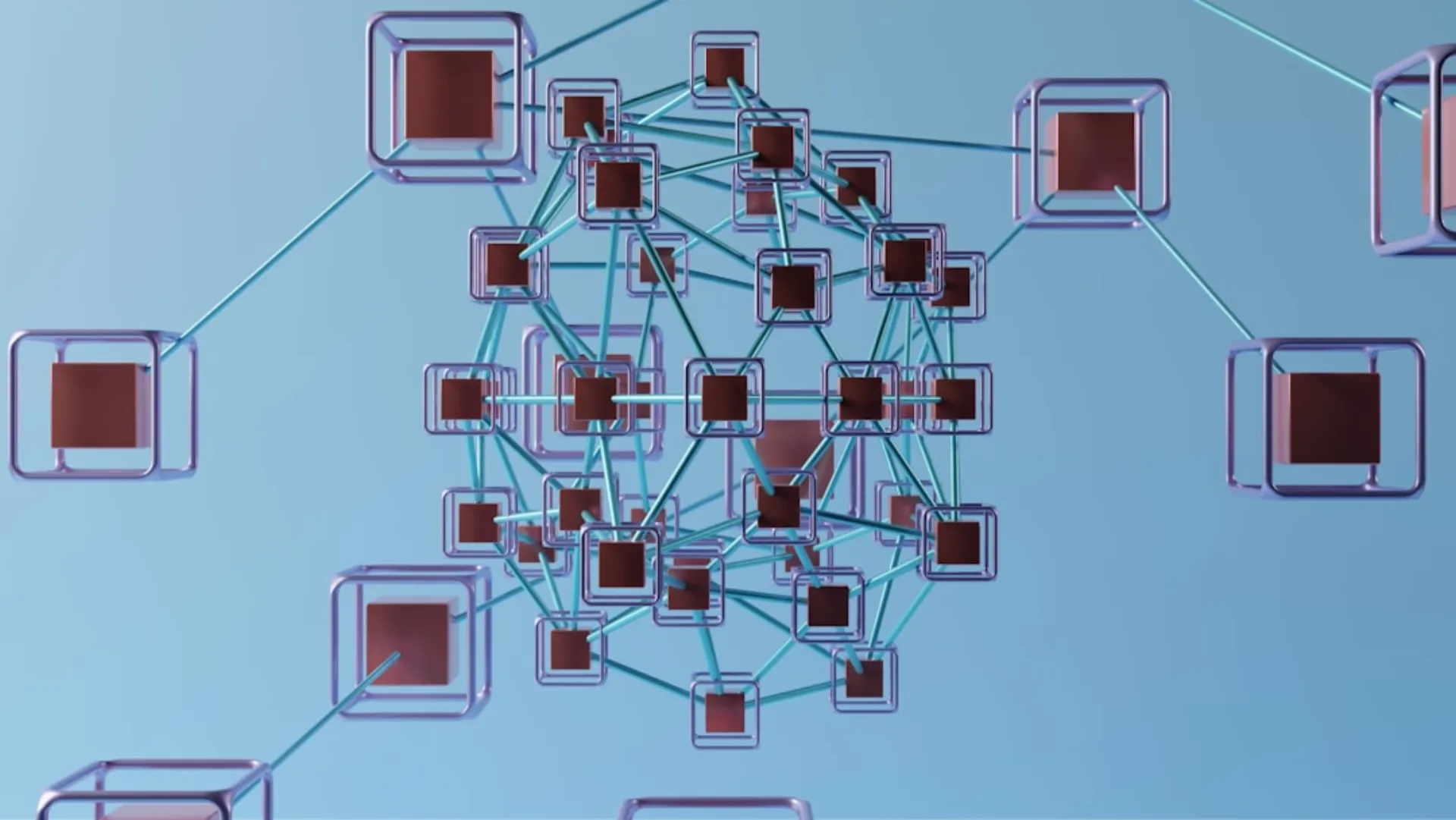
We built a 5-agent quality management orchestration system over 9 weeks. (1) Data Integration Agent: ingesting and normalising quality data from all sources in real-time — CMM measurements (Zeiss CALYPSO API), vision inspection (Keyence data export), in-process gauging (machine tool probing data via MTConnect), and environmental monitoring (temperature and humidity sensors affecting dimensional stability). Creating a unified quality data lake with standardised measurement records linked to part numbers, work orders, machine IDs, and operator IDs. (2) SPC Monitoring Agent: performing continuous statistical process control on all critical characteristics (Cpk/Ppk calculation, control chart analysis — X-bar/R, X-bar/S, and p-charts as appropriate). The agent detecting: out-of-control conditions (Western Electric rules — points beyond control limits, runs, trends, stratification), process capability degradation (Cpk dropping toward the 1.33 minimum required by automotive customers), and tool wear patterns (systematic dimensional drift indicating tool replacement needed).
Alert generation: immediate notification to the machine operator and shift supervisor when SPC rules are violated — within seconds of measurement, not hours. (3) Non-Conformance Agent: managing the disposition of non-conforming material. The agent: classifying the non-conformance (dimensional, surface finish, material, contamination), determining severity (safety-critical characteristic, fit characteristic, cosmetic), recommending disposition (scrap, rework, concession — with data-driven justification based on the specific deviation and historical acceptance patterns), generating containment actions (sorting suspect inventory, notifying affected customers if shipped material may be affected), and creating the non-conformance record per IATF 16949 requirements with full traceability. (4) 8D Investigation Agent: orchestrating the 8D problem-solving process when a customer complaint or significant internal non-conformance is reported.
The agent: D1 — assembling the problem-solving team (based on the type of issue and affected process area), D2 — generating the problem description from quality data (what, where, when, how big, trend), D3 — recommending interim containment actions (based on historical similar issues), D4 — performing root cause analysis (Ishikawa/fishbone generation from process data — identifying the most likely root causes based on the timing, magnitude, and pattern of the defect), D5 — proposing corrective actions (based on root cause and historical effectiveness data), D6 — generating the verification plan (how to confirm corrective action effectiveness), D7 — recommending preventive actions (PFMEA updates, control plan changes), D8 — drafting the closure report. Average 8D completion time: reduced from 14 business days to 5 business days (AI orchestration + engineer review and approval). (5) Supplier Quality Agent: monitoring incoming material quality from 120+ suppliers.
The agent: tracking incoming inspection results by supplier, part number, and characteristic, calculating supplier PPM and lot acceptance rates, triggering supplier corrective action requests (SCAR) when performance thresholds are breached, and generating supplier scorecards for quarterly business reviews. The orchestrator managing the pipeline with human gates at: SPC alert response (operator confirming the issue and taking action), non-conformance disposition (quality engineer approving the AI-recommended disposition), 8D approval (quality manager reviewing and approving the complete 8D report before customer submission), and supplier corrective action (SQE approving SCAR content before submission).