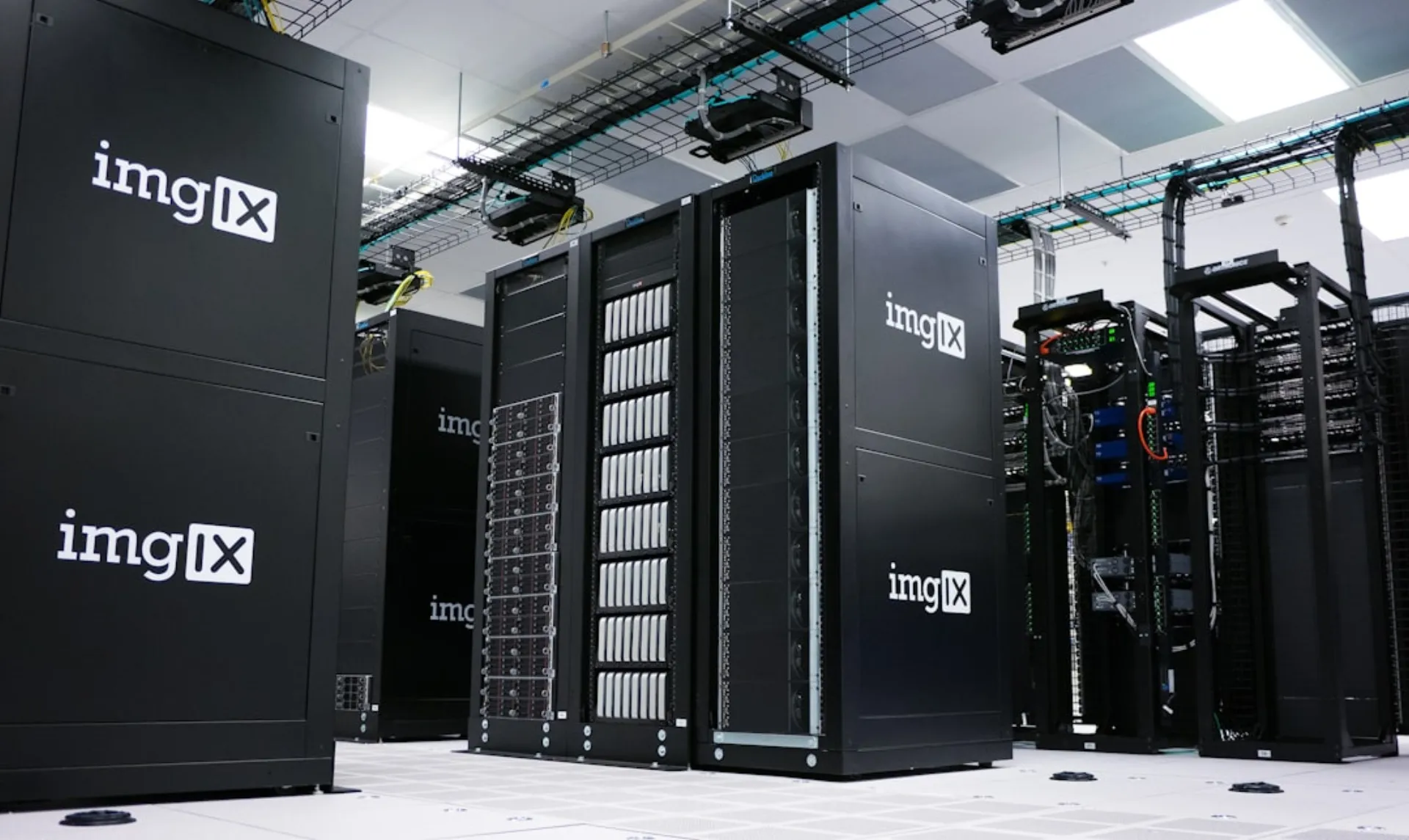
Paired rehearsal runs. Two isolated fixture arms test a public promotional preview schedule and gallery projection using synthetic non-sensitive records. Arm-A (baseline) uses Fixture-A: entries PRV-A1 through PRV-A5 on a legacy system at Catalog-Alpha. Arm-B (proposed) uses Fixture-B: entries PRV-B1 through PRV-B5 on managed cloud staging at Catalog-Alpha. Both arms share the same Catalog-Alpha scope and matched input parameters. The content scheduling register owns effective revision and authorization state; staging owns display version. No real audience data, licensed content, rights metadata or live CDN routes are used. All identifiers are synthetic. Zero production routes or external endpoints.
Fixture-A initial state (baseline arm). Catalog-Alpha legacy system contains PRV-A1 through PRV-A5 as static preview page in CMS with manual publishing, no scheduled publish/unpublish, no invalidation pipeline and no rights-window enforcement. Reset: clear Fixture-A entries and restore from seed data. End state after each case: CMS page unchanged (read-only scenario) or page present with no version metadata.
Fixture-B initial state (proposed arm). Seed PRV-B1 through PRV-B5 in the synthetic source register for Catalog-Alpha, then start the staging viewer at build D6 and config C1. The register approves business revision V1. The first two entries are already visible. The held-out records PRV-B3, PRV-B4 and PRV-B5 are seeded and approved but absent from the served projection. The staging journal and dispatch records start empty. Restore both arms to their named seeds between independent tests, then inject the stated fault. For P2 and exact replays, deliberately retain the authorized P1 state in that run. Use the same roles, scopes and inputs translated between A and B fixture namespaces, without sharing their side effects.
Browser accessibility. Each preview entry in the staging viewer uses a native <button> with aria-expanded to toggle an inline detail panel. Tab advances focus sequentially. Enter or Space toggles disclosure; Escape collapses it. A separate nonfocusable role="status" region announces state changes with text and shape indicator (circle for published, square for scheduled), not color alone. Focus ring is a 2px solid outline visible against light and dark backgrounds. No focus moved on state change. Planned observations: (1) Chrome 126 on macOS 15 with keyboard navigates PRV-B3 disclosure, verifies expanded panel contains revision V1 and config C1, then collapses; (2) Safari 18.0 with VoiceOver on iPad navigates to PRV-B5 and verifies the status region announces "PRV-B5: published" on simulated register read. 2 of 2 observations, zero staging effects from accessibility checks, zero public writes.
P1 details. The content scheduling lead approves K1 for PRV-B3 in Catalog-Alpha with V1, image D6 and config C1. Start with no displayed PRV-B3 and no journal entry for K1. The release makes this preview entry visible once. The mock gallery shows the eligible preview at its approved market and rendition. Check that the staging journal ties the result to receipt R1, and independently confirm the source still has V1, approved and unchanged. Count one staging projection effect and zero source writes. The read-only viewer does not perform the release.
P2 details. Keep PRV-B3 and receipt R1, then use distinct key K2 for PRV-B4 in Catalog-Alpha. The content scheduling lead checks that the second preview entry has V1 approval and that PRV-B4 is still absent from staging. Release PRV-B4 at D6/C1 and read back both entries. The journal shows R2 for K2 and the original R1 for K1. The source register still approves V1 for both. There is one new staging projection effect and zero source writes.
P3 details. Key K1 replayed. Journal returns durable prior result from P1 with matching identity (K1), scope (Catalog-Alpha) and payload (D6/C1). Authorization rechecked against register V1. Zero staging effects, zero source effects. Runtime read-back: PRV-B3 still shows entry at D6/C1. Receipt R1 returned (not reissued).
F9 details. K1 delivery succeeded (P1) but acknowledgment lost. Journal lookup: K1 applied, one prior staging effect. Key K1, scope Catalog-Alpha, payload D6/C1 matched. Runtime read-back: PRV-B3 at D6/C1 confirmed. Source read-back: register V1 unchanged, zero source effects. Receipt R1 returned. Zero new effects. If current authority denies or withdrawal present: approved safe state displayed, hold for resolution.
F10 details. Seed K5 for PRV-B5, Catalog-Alpha, with an immutable request for business revision V1 on D6/C1. This preview entry is absent from the viewer. Inject a disconnect before worker admission. The staging dispatch ledger records K5 as blocked before delivery, and its admission fence confirms no worker accepted the request. An independent staging journal read confirms no K5 receipt or pending work. The content scheduling lead verifies those positive no-delivery records, the absent PRV-B5 projection, and current V1 approval before releasing one identical K5 request. Expect receipt R5 with K5 applied, PRV-B5 now visible at Catalog-Alpha on D6/C1 for V1, and the authority register still approving V1. Count one new staging projection and zero source writes. If evidence, scope or approval is missing, keep the hold. An empty lookup alone does not permit a retry.
F11 details. Check a durable pending K6 and an unavailable K7 status separately for Catalog-Alpha. For K6 the operator can read a pending admission record and the viewer holds its current authorized projection. For K7 both dispatch and journal status are unavailable, so the outcome might be applied, pending or absent. The content scheduling lead holds either request without resending, blocks any unconfirmed new display and checks the authoritative status when it is available. Record zero additional projection effects and zero source writes caused by the hold. Preserve the distinction between unknown status and evidence of no effect.
F12 details. Candidate image D7/C2 deployed to staging. Readiness probe fails (health endpoint returns error). Candidate D7/C2 never served traffic; prior verified D6/C1 continues serving without interruption. Zero runtime switches. Scheduling Lead confirms D6/C1 is current with register V1 and no withdrawal. Candidate D7/C2 artifacts removed from staging pipeline. One bounded staging effect: failed candidate recorded. Runtime read-back: D6/C1 confirmed serving. Source read-back: register V1 unchanged, zero source writes. If no compatible prior release exists: serve last approved safe state, escalate to content operations director.
F14 details. Candidate D8/C3 deployment halted at 40% rollout. Stage candidate activity recorded separately from promotion state. Prior verified state: D6/C1 from register V1. No promotion occurred, no source change. Partial D8/C3 artifacts cleaned up. Runtime read-back: D6/C1 confirmed at served scope. Source read-back: register V1 unchanged.
F16 details. At Catalog-Alpha, serve PRV-B3 on D7/C2 with the current approved source revision V2. The content scheduling lead authorizes switching only the staging runtime to D6/C1 after confirming readiness, that it can render V2 for the same scope, and that the source authority still approves that revision. Read PRV-B3 at V2 on D7/C2 before the switch and at V2 on D6/C1 afterward. Separately confirm the source register still has V2 approved. Count one served runtime switch and zero source writes. If approval, readiness or compatibility fails, hold the switch and show the approved non-disclosing notice.
F17 details. The director first approves PRV-B3 for its mock market and rendition, then withdraws it in the source fixture. Requests to the revocable media path use disabled shared caching and a fresh source-authority check at the origin on each new request. At simulated edges A and B and direct origin, exercise the same previously valid viewer request with the withdrawal already recorded. Expect a generic unavailable notice and no asset bytes at all three points. Repeat with wrong market, disallowed rendition and unavailable authority as separate resets. The current source check must refuse each. In a separate cached negative control on an isolated legacy path, edge B still returns the stale preview after origin denial. Treat that as a failed withdrawal gate, quarantine the route and verify the denial before restoring service. CloudFront cache-key guidance explains why a hit can bypass the origin. Invalidation supports remediation. A client copy saved before withdrawal is beyond CDN control. The display path changes no source rights. All records and requests are synthetic.
F18 details. Current runtime D7/C2; rollback target D5/C0 has incompatible schema (missing required field added in D6). Compatibility check fails; rollback blocked. Authority check: if D7/C2 is currently confirmed by register with no withdrawal, D7/C2 continues serving. If D7/C2 authority is unconfirmed or withdrawn: non-disclosing placeholder served (no content, version or metadata exposed). Content Operations Director escalation required. Runtime read-back: D7/C2 or placeholder confirmed. Zero source writes.
| Case | Baseline (Arm-A) | Proposed (Arm-B) |
|---|
| P1. Display PRV-B3, K1 | Legacy shows PRV-A3; no revision | See P1 details |
| P2. Display PRV-B4, K2 | Legacy shows PRV-A4; no revision | See P2 details |
| P3. Replay K1 | PRV-A3 reshown; no replay record | See P3 details |
| F1. Wrong scope | Shows any entry | Scope mismatch; rejected; zero effects |
| F2. Stale generation | Shows stale data | Generation check detects stale; blocks; if authority unknown: safe notice |
| F3. Cross-scope access | Any scope data accessible | Scope check fails; blocked; zero effects |
| F4. Revoked entry | PRV-A4 displayed; revocation not reflected | Register lookup detects revocation; blocked; safe notice |
| F5. Changed payload on K1 | PRV-A3 unchanged; mismatch undetected | Payload hash mismatch; safe conflict code; R1 disclosed only after scope, role and withdrawal are verified; restricted payload never served |
| F6. Stale revision proposed | PRV-A3 displayed; stale undetected | Generation check rejects stale; current unchanged |
| F7. K3 authorization denied | PRV-A3 displayed; denial not logged | Denied; staging and register unchanged; logged |
| F8. K4 approved then withdrawn | PRV-A4 displayed; withdrawal unrecorded | Withdrawal detected; staging unchanged; logged |
| F9. K1 applied, ack lost | PRV-A3 displayed; ack loss undetectable | See F9 details |
| F10. K5 absent, ack lost | PRV-A5 absent; no dispatch record | See F10 details |
| F11. K6 pending, K7 unknown | No status record; timeout unrecorded | See F11 details |
| F12. Readiness probe fails | Display continues; no health gate | See F12 details |
| F13. Missing telemetry | Display continues; no telemetry gate | Promotion blocked until telemetry confirmed |
| F14. Stopped mid-rollout | Display unchanged; partial state unknown | See F14 details |
| F15. Expired cached entry | Expired PRV-A5 displayed; no expiry gate | Expiry check fails; blocked; safe state served |
| F16. Compatible fallback | No prior version record | See F16 details |
| F17. CDN edge stale | PRV-A3 unchanged; condition undetected | See F17 details |
| F18. Incompatible rollback | No schema gate; outcome unknown | See F18 details |
| Positive state | 3 of 3 correct | Correct state / P1 to P3 |
| Failure state | 18 of 18 correct | Correct state / F1 to F18 |
RTO and RPO measurement for restored synthetic preview entry projection. Interruption mark: predeclared simulated point (10:00). The content operations director owns restore authorization. Promotional preview schedules are audience-facing. Source read-back from scheduling register required after each restore trial. Per AWS recovery objectives and periodic recovery validation. Each row is a planned synthetic observation, not a measured result. A metric that fails its threshold blocks promotion.
Denominator: 2 planned observations per metric (1 pass, 1 breach checkpoint). The synthetic condition distinguishing this trial from the sector's normal path is the restored preview has an expired rights window for PRV-B4 to exercise time-bound access control.
| Metric (threshold) | Observation | Classification |
|---|
| RTO trial 1 (25 min) | Interruption 10:00, usability verified 10:19, register V1 read-back confirmed | 19 min, pass |
| RTO trial 2 (25 min) | Interruption 10:00, usability verified 10:33, register V1 read-back confirmed | 33 min, breach |
| RPO trial 1 (10 min) | Interruption 10:00, latest reconciled record 09:54 | 6 min, pass |
| RPO trial 2 (10 min) | Interruption 10:00, latest reconciled record 09:44 | 16 min, breach |
Residual risks. Staging rehearsal does not cover production content volumes, real audience data, licensed media assets or live CDN delivery. Post-cutover writes require separate reconciliation per AWS migration cutover guidance. CloudFront invalidation does not guarantee a fixed completion time. A cache hit requires independent viewer-side enforcement or an authority-gated path that bypasses the shared cache. Existing saved copies remain outside that boundary. No measured results.
This is a hypothetical scenario for illustration. Actual scope, timeline and cost depend on your requirements.