MVP Development for Startups & Early-Stage
MVP Development for Startups & Early-Stage Companies
We build minimum viable products for startups and early-stage companies that validate your core market hypothesis with real users as quickly as possible, delivering the essential features that demonstrate product value and generate the user feedback and traction metrics that inform product direction and support fundraising conversations with concrete evidence rather than untested assumptions.
4.9/5Verified rating
300+Clients served
23Products shipped
100+Case studies
Since 2015In production
7wk
MVP launch timeline
6/8
Pilot customers actively adopted
3
Feature pivots driven by user data
100%
Codebase reused post-MVP
MVP development for startups and early-stage companies is the most consequential development phase in a startup lifecycle because the decisions made about what to build, what to defer, how to architect, and how fast to deliver directly determine whether the startup validates its market hypothesis quickly enough to iterate toward product-market fit before funding runway expires or competitors capture the market opportunity that initially motivated the venture. The MVP development challenge extends beyond simply building a smaller version of the eventual product to encompass strategic decisions about which features are genuinely essential for market validation versus which features founders believe are necessary based on assumptions that user behavior may contradict, requiring the discipline to build only what is needed to learn whether the core value proposition resonates with the target market.
Our MVP development practice specializes in helping startups identify the minimal feature set that tests their core market hypothesis, then building that feature set with the quality and speed needed to generate meaningful user feedback within the compressed timelines that startup survival demands, because an MVP that launches too slowly is as useless as one that launches with the wrong features. We understand that MVP development requires balancing genuine minimalism in feature scope against the quality standards that user adoption demands, because the minimum in minimum viable product refers to feature scope rather than quality, and MVPs that deliver core features poorly fail not because the market hypothesis was wrong but because product quality was insufficient for users to evaluate the underlying value proposition fairly.
The technical architecture of MVPs must support rapid iteration because the primary purpose of an MVP is learning, and the speed at which user feedback can be incorporated into product changes determines how many learning cycles the startup can complete before resources are exhausted, making development velocity a survival variable rather than merely an efficiency preference. User analytics and feedback collection capabilities within MVPs are as important as the product features themselves because without structured data about how users interact with the product, which features drive engagement, where users abandon flows, and what users request, the MVP fails to generate the learning that justifies its existence as a market validation instrument.
The Startups & Early-Stage Market
The startup ecosystem has embraced the lean startup methodology where MVPs serve as the primary vehicle for market validation, but practical MVP execution often fails because founders struggle to define genuine minimum scope, development teams underestimate timeline requirements, and the balance between speed and quality is miscalibrated in ways that produce either over-engineered products that launch too late or under-built products that fail to demonstrate value. Investor expectations for MVP quality have evolved beyond the landing-page-with-signup-form approach that early lean startup practitioners advocated, with seed-stage investors now expecting functional products with real user engagement metrics rather than theoretical interest indicators that waitlist signups provide without demonstrating willingness to actually use the product.
The competitive landscape for MVP development has intensified as startup formation rates increase and multiple teams pursue similar market opportunities simultaneously, creating time-to-market pressure where the first viable product to reach users often captures the early adopter segment whose feedback and advocacy prove decisive in category formation. Technical co-founder scarcity means that many startup teams lack internal development capability, making external MVP development partnerships critical for non-technical founders who have identified market opportunities but need development partners who understand both the technical and business dimensions of successful MVP execution. The no-code and low-code platform emergence has created new options for certain MVP categories where rapid prototyping tools can validate concepts before custom development investment is made, though the limitations of these platforms often necessitate custom development when market validation confirms the opportunity and product requirements exceed platform capabilities.
Fundraising timelines create MVP urgency where startups need demonstrable products with user traction to support investment conversations, making MVP development timeline management a fundraising success factor alongside the product development objective. The pivot frequency in early startup stages means that MVP architecture must accommodate directional changes without requiring complete rebuilds, because the most common outcome of successful MVP deployment is refined understanding of the market that requires product adaptation rather than the exact-as-planned validation that first-attempt MVPs rarely deliver.
How We Deliver MVP Development for Startups & Early-Stage
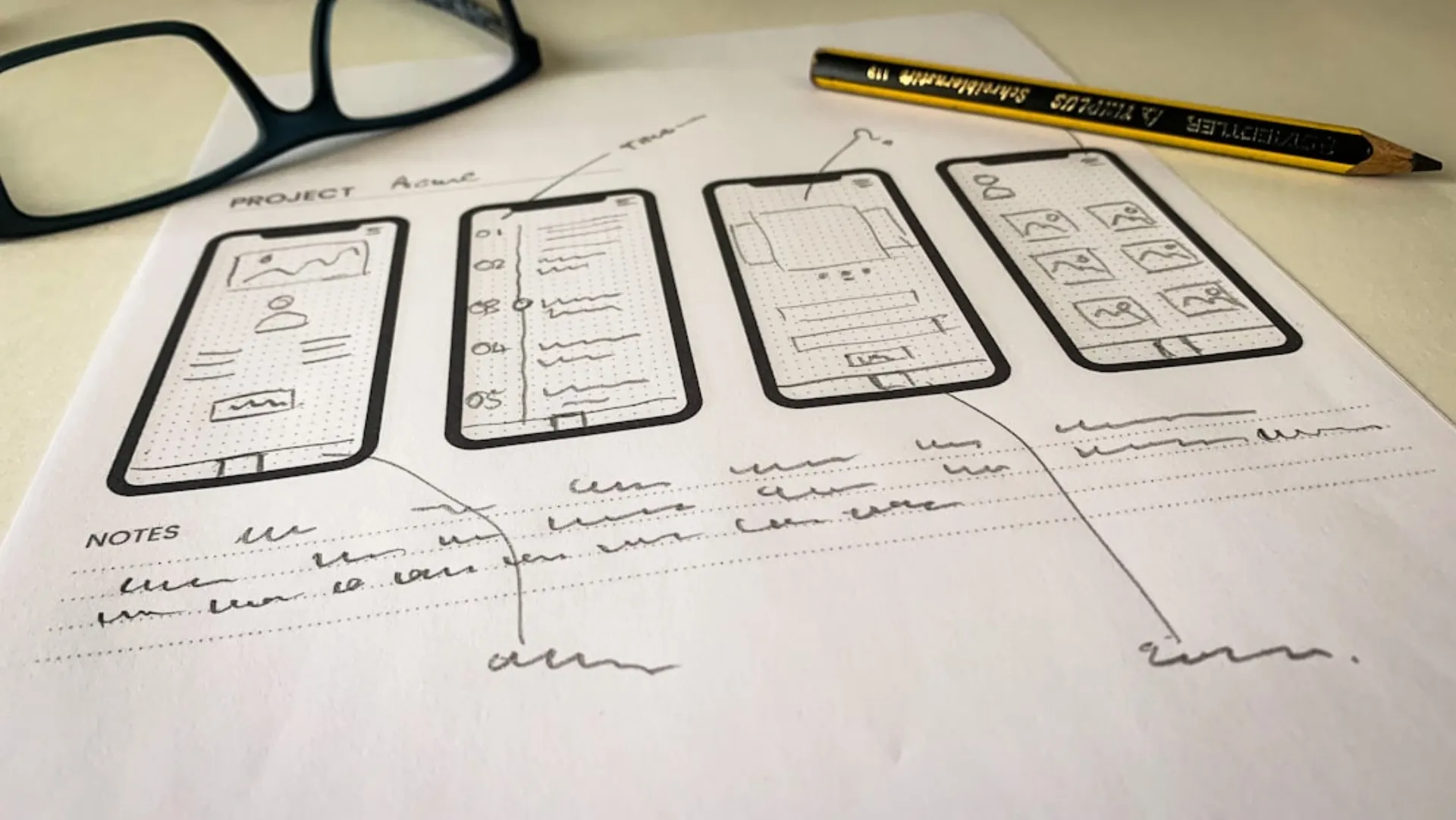
Our MVP development begins with hypothesis identification workshops that distill your startup vision into the specific market hypothesis the MVP must test, then defining the minimum feature set required to test that hypothesis with real users, rigorously excluding features that are desirable but not essential for initial validation. We create rapid prototypes and wireframes that validate user experience concepts before development begins, using interactive prototypes to test key user flows with potential customers and incorporating feedback into final designs before engineering resources are committed to building features that may not resonate as intended. Development execution uses agile sprint methodology with weekly deliverable milestones that maintain progress visibility and enable course correction throughout the build process, ensuring that development stays aligned with evolving understanding of the opportunity as the building process itself generates new insights.
We select technology stacks that optimize for development speed while maintaining the code quality and architectural patterns that enable continued development after MVP launch, avoiding the throwaway prototype approach that creates immediate technical debt requiring complete rebuilds when the MVP succeeds and growth demands continued investment. Analytics and user feedback systems are implemented as first-class MVP features rather than afterthoughts, building the data collection infrastructure that generates the structured learning data the MVP exists to produce, with event tracking, session recording, and feedback collection mechanisms that capture the user behavior insights that inform post-MVP product decisions. Launch strategy planning ensures that the MVP reaches the right initial users through targeted outreach, beta program management, and early adopter community building that generates the quality user feedback and engagement metrics that product decisions and fundraising conversations require.
We implement rapid iteration capabilities including feature flags, continuous deployment, and A/B testing infrastructure that enable the post-launch learning cycles that extract maximum insight from MVP user interactions through systematic experimentation with feature variations and user experience alternatives. Post-MVP roadmap planning translates learning from MVP user data into prioritized development plans for the next product phase, identifying the features that demonstrated demand through user behavior, the features that should be deprioritized based on low engagement, and the new capabilities that user feedback reveals as opportunities the original vision did not anticipate.
Ready to discuss your MVP development project?
Free consultation — no commitment required.
Case StudyB2B SaaS Startup
Startup MVP Launch and Validation
The Challenge
A startup team with deep industry expertise but no technical co-founder needed to validate their B2B software concept with potential enterprise customers before their seed round runway expired in four months, had received interest from eight potential pilot customers who needed functional software to evaluate, and needed user engagement metrics to support their seed extension fundraising conversations.
Our Solution
We built a focused MVP delivering the three core features that addressed the primary pain point validated through customer interviews, with analytics tracking user engagement across all product interactions, a feedback collection mechanism within the product, and deployment infrastructure that supported weekly updates based on pilot customer feedback throughout the validation period.
The Results
The MVP launched within seven weeks leaving ten weeks for validation before the funding deadline, six of eight pilot customers actively adopted the product with weekly usage, user engagement metrics demonstrated the retention patterns that validated product-market fit signals, customer feedback drove three significant feature pivots that strengthened the value proposition, the seed extension round closed successfully with investors citing active user engagement as the decisive factor, and the MVP codebase served as the foundation for continued product development through Series A without requiring a rebuild.
MVP Development Capabilities for Startups & Early-Stage
- ✓Rapid Prototyping
Interactive prototypes to validate your concept before writing a single line of production code.
- ✓Core Feature Development
We identify and build only the features that matter — the ones that prove your hypothesis and attract early users.
- ✓Scalable Architecture
Even lean MVPs need a solid foundation. We build with production-grade tech so you can scale without a rewrite.
- ✓User Feedback Integration
Built-in analytics and feedback loops so you can learn from real user behavior from day one.
- ✓Investor-Ready Product
A polished, functional product that demonstrates traction — not just a pitch deck.
- ✓Iteration & Pivot Support
Agile development cycles that let you adapt quickly based on what the market tells you.
MVP Development Landscape for Startups & Early-Stage
MVP development for startups includes offshore development teams, freelance developers, development agencies, and no-code platforms. Offshore teams offer cost advantages but communication challenges and quality variability that create timeline risks incompatible with startup urgency. Freelance developers provide individual expertise but lack the multi-disciplinary capabilities that comprehensive MVP development demands. No-code platforms enable rapid prototyping but impose limitations that restrict product differentiation and growth scalability.
Our MVP development practice combines rapid development capability with strategic product thinking, enabling startups to build MVPs that validate market hypotheses effectively while establishing the technical foundation that supports continued product development without the costly rebuilds that prototype-quality code forces upon successful startups.
MVP Development Pricing for Startups & Early-Stage
MVP development for startups and early-stage companies typically ranges from fifteen thousand to forty-five thousand dollars depending on feature scope, technology complexity, and platform requirements. Focused MVPs testing single core hypotheses with essential features typically range from fifteen thousand to twenty-five thousand dollars with four to eight week timelines. Comprehensive MVPs with multiple feature domains, complex integrations, and multi-platform deployment require eight to twelve weeks and investments of twenty-five thousand to forty-five thousand dollars.
Post-MVP iteration retainers starting at five thousand dollars monthly cover feature development based on user feedback, analytics-driven optimization, and continued product evolution. Startups investing in MVP development typically see returns through validated market hypotheses that reduce future development risk, user traction metrics that support fundraising, early customer relationships that inform product direction, and the technical foundation that enables continued development without costly architectural rewrites. We provide post-MVP product strategy sessions that interpret user behavior data, customer feedback patterns, and engagement metrics to identify the highest-impact next development priorities that will accelerate the path from validated MVP to scalable product-market fit. Competitive positioning analysis during MVP development evaluates how your product concept compares to existing solutions in the market, identifying differentiation opportunities and competitive vulnerabilities that inform both feature prioritization and marketing messaging strategy for the post-MVP growth phase. Technical debt documentation from MVP development provides clear visibility into the architectural shortcuts taken for speed that should be addressed in subsequent development phases, preventing the gradual quality degradation that occurs when MVP trade-offs are forgotten rather than tracked and systematically resolved as the product matures beyond initial market validation. User interview coordination alongside MVP usage tracking combines quantitative behavioral data with qualitative user insights to provide comprehensive understanding of how users experience the product, why they behave as they do, and what unmet needs the next product iteration should address to strengthen the value proposition and expand the addressable market opportunity that MVP validation has identified.
Frequently Asked Questions
Common questions about MVP development for startups & early-stage
We work with founders to identify the core value hypothesis the startup is testing, then define the minimum features needed to test that hypothesis with real users. We ruthlessly exclude features that are desirable but not essential for initial validation. The goal is learning speed, not feature completeness, and every included feature must serve the validation objective directly.
Ready for MVP Development Built for
Startups & Early-Stage?
Our team has deep expertise in startups & early-stage technology. Get a free consultation.
500+
Projects Delivered
4.9/5
Client Rating
90%
Repeat Clients