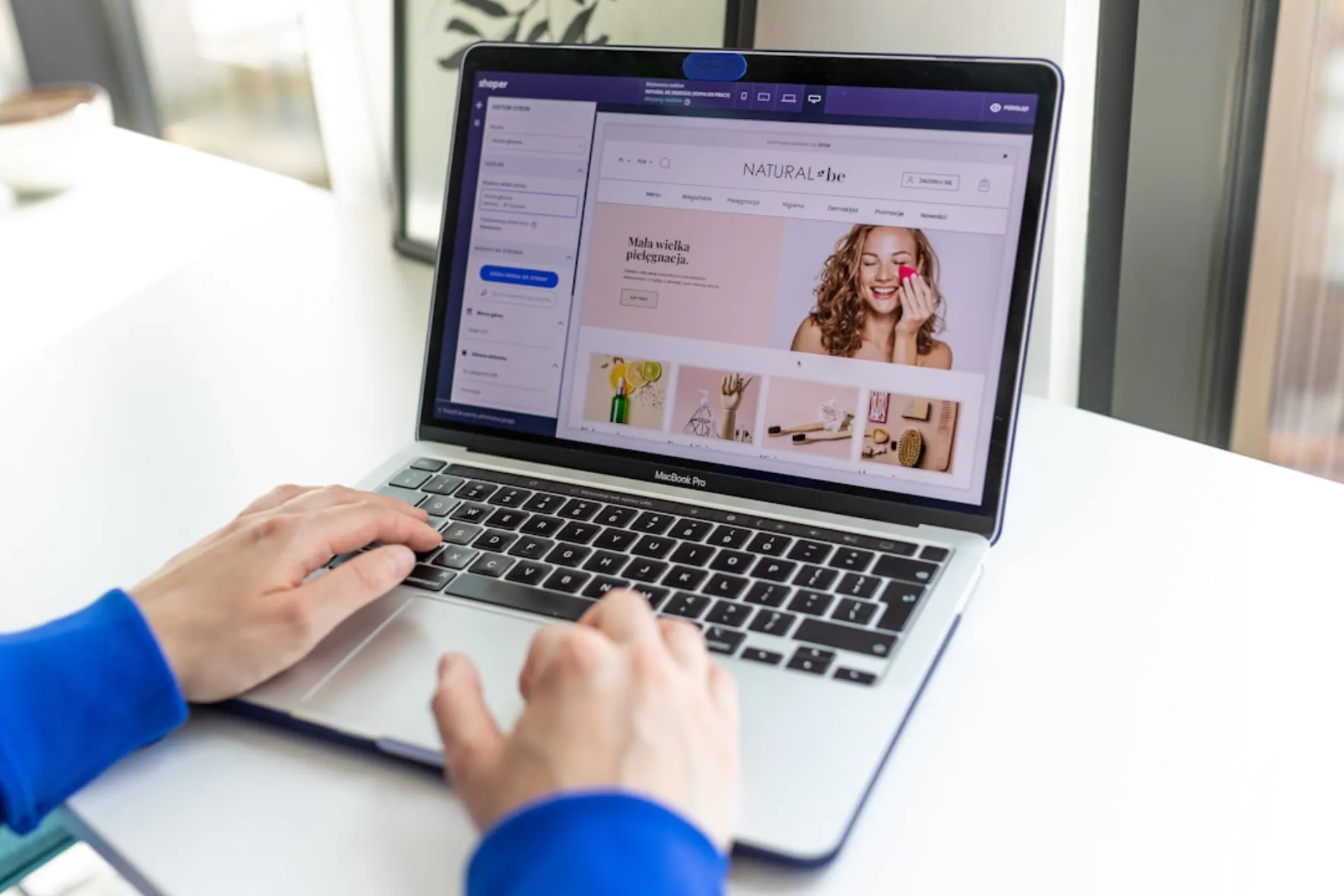
Our Shopify development methodology for Denver builds stores that serve Colorado's distinctive retail markets. Phase 1 — Strategy and Design (1-2 weeks): understanding the Denver retail context: brand and market positioning (for outdoor brands: understanding: where the brand sits in: the market — technical vs. lifestyle, premium vs. value, specialist vs. generalist — and: how the Shopify store should: communicate: that positioning — for craft goods: understanding: the maker's story, values, and: audience — for cannabis accessories: understanding: the brand's relationship to: cannabis culture and: how to: position within: Shopify's content guidelines), competitive analysis (analyzing: how competitors sell: similar products — for outdoor gear: what REI, Backcountry, and: competitor brands do: well (and: poorly) in: their e-commerce experience — for craft goods: how Etsy, other maker storefronts, and: local competitors present: artisan products — identifying: the specific opportunities the Shopify store can: exploit), and customer journey mapping (mapping: how Denver's customers discover, research, and: purchase products — outdoor gear buyers: discover through: trail apps, outdoor publications, and: community forums → research through: product reviews and: comparison sites → purchase after: weeks of: consideration — craft goods buyers: discover through: farmers markets, Instagram, and: local events → research through: maker stories and: reviews → purchase impulsively or: for specific occasions — understanding: these journeys shapes: the store's content strategy, navigation, and: conversion optimization)). Phase 2 — Shopify Build (3-6 weeks): constructing the store: theme development (building or: customizing: a Shopify theme that: serves: the brand's specific needs — for outdoor gear: technical product presentation with: specification tables, size charts, compatibility matrices, and: comparison tools — for craft goods: story-forward design with: large imagery, maker profiles, and: process galleries — for food and beverage: appetite-appealing photography, ingredient provenance, and: compliance information — all: built on: Shopify 2.0 theme architecture with: sections and: blocks for: merchant customization), product catalog (structuring: the product catalog for: Denver market needs — for outdoor gear: complex product variants (size × color × configuration), product bundles and: kits, and: compatibility metadata (which: boots work with: which bindings) — for craft goods: one-of-a-kind products (inventory quantity: 1), made-to-order products (extended fulfillment timelines), and: personalization options (monogramming, custom sizing) — for cannabis accessories: careful product categorization and: description to: comply with: Shopify's AUP), content and SEO (building: the content infrastructure: product descriptions (technically accurate for: outdoor gear, story-rich for: craft goods, compliance-aware for: cannabis accessories), buying guides (gear selection guides, sizing guides, compatibility guides), blog content (trail reports, maker interviews, product care guides, Colorado outdoor stories), and: SEO optimization (category pages optimized for: "[product type] Colorado" and: "[activity] gear" search queries — local SEO for: brands with: physical retail presence)), and Shopify integrations (connecting: Shopify with: the Denver brand's ecosystem — shipping (carrier integrations with: considerations for: oversized outdoor gear, fragile artisan goods, and: temperature-sensitive food products), inventory (syncing: Shopify with: warehouse management and: wholesale channels — ensuring: inventory accuracy across: DTC, wholesale, and: marketplace channels), marketing (email marketing, social media, and: influencer platform integrations), and: Colorado-specific (age verification for: alcohol and: cannabis accessories, state tax configuration for: Colorado's complex sales tax (state + county + city + special districts), and: shipping restriction management for: products with: state-by-state legality variations))). Phase 3 — Launch and Optimization (ongoing): growing the store: launch (deploying: the store with: a launch plan — for established brands: redirecting: traffic from: existing channels, announcing: to email list and: social media — for new brands: launch promotion, influencer seeding, and: community engagement — for all brands: monitoring: performance closely in: the first 2 weeks — page load speed, checkout completion rate, and: customer feedback), conversion optimization (continuous improvement of: the store's conversion funnel — A/B testing: product page layouts, checkout flows, and: promotional offers — for outdoor gear: testing: the impact of: user reviews vs. expert reviews, specification detail level, and: comparison tool placement — for craft goods: testing: story placement, photography styles, and: personalization options — for all stores: reducing: cart abandonment through: optimized checkout, recovery emails, and: exit-intent offers), and seasonal planning (preparing: the Shopify store for: Denver's seasonal retail patterns — pre-ski season (October-November): winter gear promotion, gift guides, early-season deals — holiday (November-December): gift wrapping, gift cards, expedited shipping, Colorado gift collections — spring clearance (March-April): end-of-winter clearance, early-season outdoor gear — summer launch (May-June): hiking, camping, and: cycling gear promotion — planning: inventory, promotions, and: content around: these seasonal cycles)).