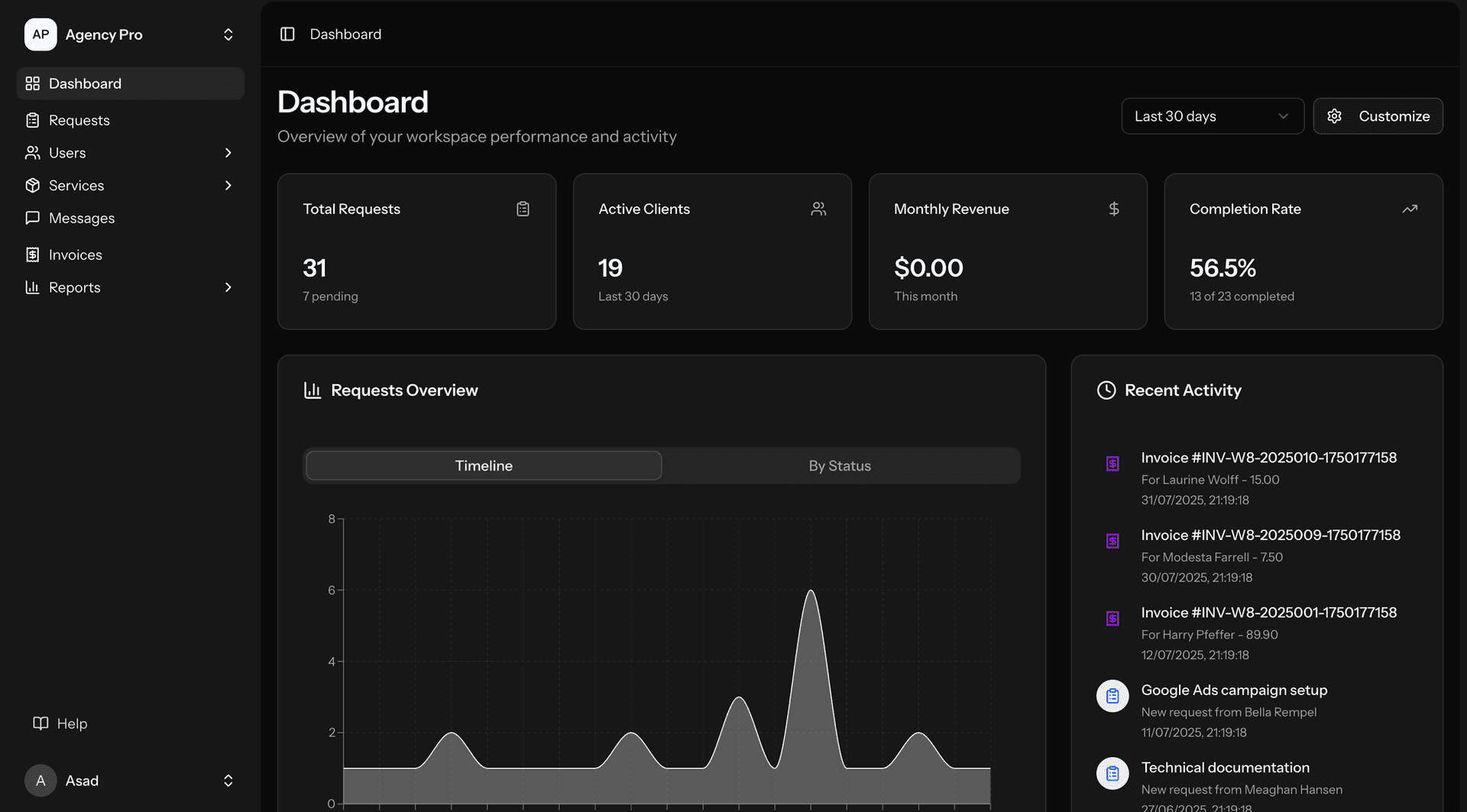
Helsinki's web development demand: (1) SaaS and technology: Helsinki's primary web sector. SaaS web: product (Helsinki SaaS companies — building web-first products for European and global markets. Scale: Finnish SaaS scaling globally — small domestic market (5.5M population) driving international focus from day one. Stack: Nordic SaaS stack — React/Next.js frontend, Node.js or Python backend, PostgreSQL, deployed on AWS (EU regions). Multi-tenant: multi-tenant architecture — SaaS products serving hundreds or thousands of business customers. Localisation: EU localisation — SaaS products needing to support multiple European languages, currencies, and regulatory requirements), gaming (Helsinki gaming web platforms — Supercell, Rovio, and indie studios. Community: gaming community web platforms — player forums, leaderboards, and event management. Dashboard: game analytics dashboards — real-time player behaviour, revenue analytics, and A/B testing results. Marketplace: game marketplace and commerce — in-game item marketplaces, subscription management, and payment processing), and AI (Helsinki AI companies — Finland's AI strategy driving significant AI development. Platform: AI platform web applications — model training dashboards, data labelling interfaces, and inference monitoring. Tool: AI-powered tools — web applications with AI capabilities (text analysis, image recognition, recommendation). Research: research platforms — VTT Technical Research Centre of Finland and university spin-offs building web-based research tools)). (2) Financial services: Finnish banking and fintech. Finance web: banking (Finnish banking web applications — OP Financial Group, Nordea Finland, and Aktia requiring modern web platforms. Open banking: PSD2 open banking APIs — web applications consuming Finnish bank APIs for account information and payment initiation. Verification: strong customer authentication — Suomi.fi tunnistautuminen and bank-based authentication for financial web services. Reporting: regulatory reporting — Bank of Finland, FIN-FSA (Finanssivalvonta), and ECB reporting requirements), fintech (Helsinki fintech web platforms — payment, lending, and investment services. Payment: payment integration — Finnish payment methods (bank transfers, Mobilepay, Siirto) alongside European card networks. Lending: digital lending platforms — consumer and SME lending with Finnish credit checking (Asiakastieto/Bisnode) integration. Investment: investment platforms — securities trading, fund management, and robo-advisory for Finnish investors), and insurance (Finnish insurance web platforms — OP Insurance, LähiTapiola, and If. Claims: digital claims — web-based claims lodgement, photo upload, and automated processing. Self-service: policyholder self-service — policy viewing, modification, and renewal through web portal. Comparison: insurance comparison — aggregating Finnish insurance products for consumer comparison)). (3) Government and public sector: Finnish digital government. Government web: municipal (Helsinki city and Finnish municipal web services — Suomi.fi platform setting standards. Services: municipal digital services — building permits, daycare applications, and healthcare booking through web applications. Helsinki: City of Helsinki digital services — Helsinki.fi serving as model for Finnish municipal web design. Participation: citizen participation platforms — Decidim-based participatory budgeting and urban planning engagement), national (Finnish national government web services — ministries, agencies, and public institutions. Compliance: Finnish web accessibility compliance — Act on the Provision of Digital Services requiring WCAG 2.1 AA. DVV: DVV (Digital and Population Data Services Agency) providing Suomi.fi services that web applications integrate with. Kela: Kela (Social Insurance Institution) digital services — social security, healthcare, and benefit applications requiring web development), and health (Finnish health web platforms — Kanta (national health archive) integration. OmaKanta: OmaKanta — citizen health portal, web applications connecting to national health data. Apotti: Apotti (Helsinki and Uusimaa region health IT system) — web applications integrating with Epic-based health information system. Telehealth: digital healthcare — web-based teleconsultation, appointment booking, and health monitoring)). (4) eCommerce and retail: Finnish online commerce. Commerce web: eCommerce (Finnish eCommerce web development — Verkkokauppa.com, Zalando Finland, and specialty retail. Nordic: Nordic eCommerce expectations — fast delivery (next-day standard in Helsinki region), easy returns, and multiple payment options. Payment: Finnish payment methods — bank transfer (most popular for eCommerce in Finland), credit card, Klarna (BNPL), and Mobilepay. Logistics: Finnish logistics integration — Posti (Finnish Post), Matkahuolto, and parcel locker networks (Posti SmartPost, Posti Automaatti)), B2B (B2B eCommerce web platforms — Finnish manufacturing and distribution going digital. ERP: ERP integration — connecting web commerce with Finnish ERP systems (Netvisor, Procountor, Visma, SAP). E-invoicing: e-invoicing — B2B purchases generating Finvoice-format invoices automatically. Catalogue: product information management — technical product data for Finnish industrial and construction sectors), and subscription (subscription web platforms — media, food, and service subscriptions. Media: Finnish media subscription — Helsingin Sanomat, Yle (public broadcaster), and digital publishing platforms. Food: food subscription — Wolt, Foodora, and specialty food delivery web platforms. Service: service subscription — Finnish service businesses moving to subscription models)). (5) Industrial and maritime: Finnish strength sectors. Industrial web: manufacturing (Finnish manufacturing web platforms — digitalising production and supply chain. Dashboard: production dashboards — real-time manufacturing data visualisation from shop floor sensors. Quality: quality management — web-based quality control, inspection, and certification management. Supply chain: supply chain visibility — web platforms tracking materials, components, and finished goods), maritime (Finnish maritime web applications — ship management, port operations, and marine technology. Finland: Finland's maritime cluster (Wärtsilä, Cargotec, ABB Marine) driving web application demand. Remote: remote vessel monitoring — web dashboards displaying engine performance, fuel consumption, and navigation data. Port: port operations — web applications for Helsinki and Finnish port terminal management), and energy (Finnish energy web platforms — smart grid, renewable energy, and energy management. Grid: smart grid management — web dashboards for Finnish electricity distribution. Renewable: renewable energy monitoring — wind farm and solar installation performance dashboards. Consumer: consumer energy management — Fortum, Helen (Helsinki energy company), and other utilities providing customer-facing web portals)).