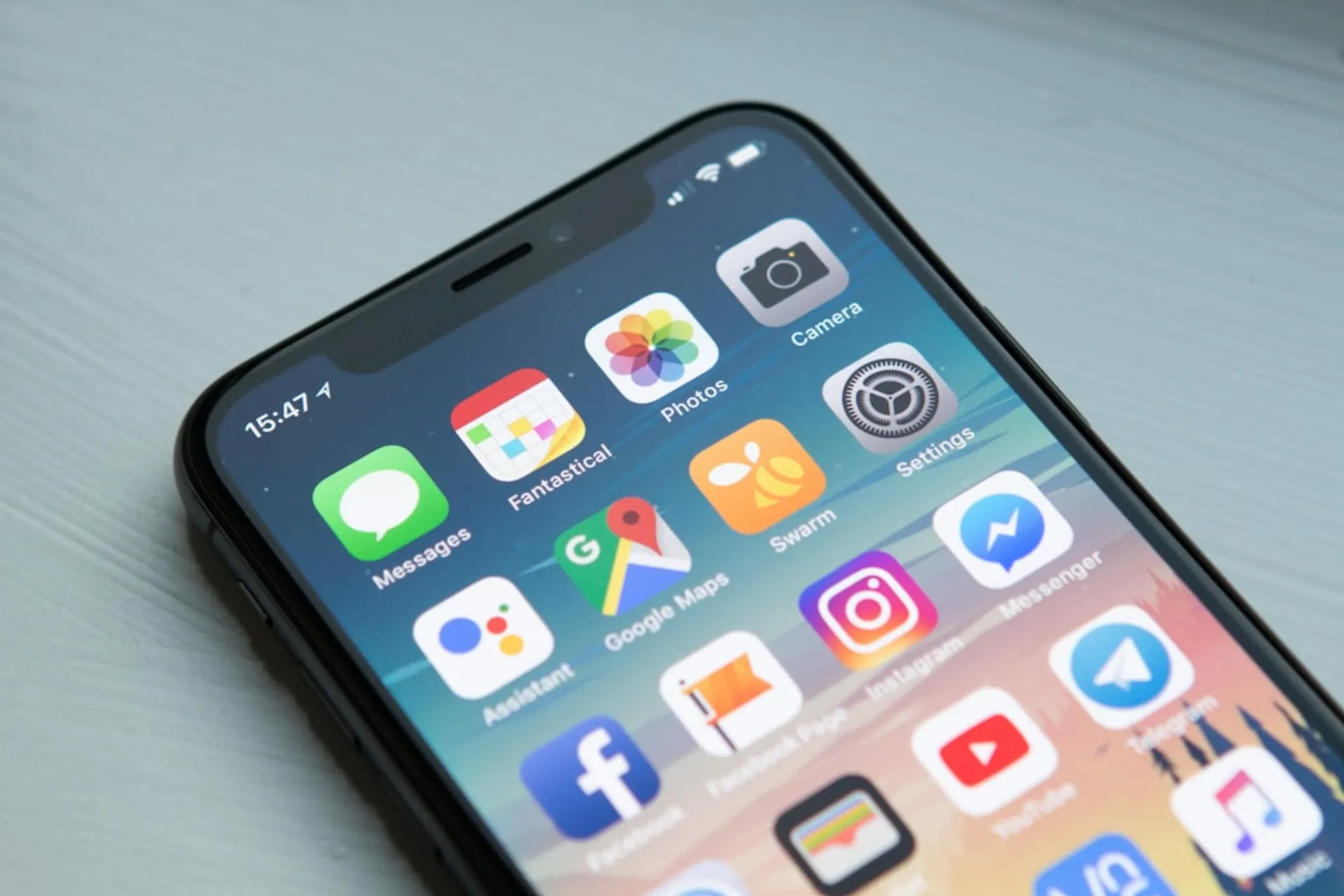
Houston's AI mobile app demand spans energy field operations, healthcare, logistics, and emergency management. Energy Field Apps: inspection and diagnostics (AI-powered visual inspection apps for: field technicians — point: the phone camera at: a pump, compressor, valve, or: wellhead and: the AI: identifies the equipment (model, specifications, maintenance history), highlights: visible anomalies (corrosion, leaks, vibration indicators, thermal signatures using: FLIR phone attachments), generates: inspection reports with: annotated photos, and: creates: maintenance work orders linked to: the correct asset in: the CMMS (Computerized Maintenance Management System) — replacing: paper inspection forms that: require: manual data entry at: the office), safety and compliance (apps for: managing: safety compliance in: the field — digital permit-to-work (PTW) with: AI risk assessment that: evaluates: the work scope, weather conditions, concurrent activities, and: historical safety data for: that location — alerting: workers and: supervisors to: elevated risk factors and: requiring: additional safety measures when: risk exceeds: thresholds), well site monitoring (mobile dashboards for: production foremen and: field engineers — showing: real-time well status, AI-generated alerts and: recommendations, and: production trends — enabling: field decision-making without: returning to: the office — with: offline capability for: remote well sites without: reliable connectivity), and training and competency (AI-powered training apps for: field workers — using: AR (augmented reality) to: overlay: equipment information, procedures, and: safety instructions on: real equipment — enabling: on-the-job training and: procedure verification at: the point of: work — particularly: valuable for: the 40% of: Houston's energy workforce that: will retire: within the next decade, requiring: rapid training of: replacement workers)). Healthcare Patient Apps: multi-institution patient portal (a unified patient app for: Texas Medical Center — a single app that: connects: patients with: all of: their providers across: the center's institutions — viewing: records, scheduling: appointments, messaging: care teams, and: managing: prescriptions — regardless of: which: hospital system the provider belongs to — AI-powered: to predict: scheduling needs, suggest: preventive care, and: coordinate: multi-provider care plans), chronic disease management (AI-powered apps for: managing: chronic conditions — diabetes, heart failure, COPD, and: hypertension — common in: Houston's diverse population — the AI monitors: patient-reported symptoms, device data (glucose monitors, blood pressure cuffs, pulse oximeters), and: medication adherence — providing: personalized guidance, alerting: care teams to: deterioration, and: adjusting: recommendations based on: the patient's response), and clinical trial matching (an app that: matches: patients with: eligible clinical trials across: the Texas Medical Center's thousands of: active trials — using: AI to: analyze: the patient's diagnosis, treatment history, and: genetic profile against: trial eligibility criteria — presenting: relevant trials with: plain-language explanations of: what participation involves)). Port and Logistics Apps: dock worker and crane operator apps (mobile apps for: port workers — container identification (AI camera recognition of: container numbers, condition assessment, and: seal verification), equipment operation logs, safety reporting, and: shift management — designed for: use in: harsh port environments with: large touch targets, high-contrast displays for: outdoor use, and: rugged device compatibility), truck driver apps (apps for: trucks serving: the Port of Houston — appointment booking, terminal navigation, container pickup/delivery coordination, and: wait time prediction — AI-powered: to predict: gate wait times, suggest: optimal arrival windows, and: route: trucks to: avoid: congestion — reducing: the truck turnaround times that: cost: carriers money and: create: port-area traffic), and logistics coordination (apps for: freight forwarders and: customs brokers — tracking: shipments through: the port, managing: customs documentation, coordinating: intermodal transfers, and: receiving: AI-predicted ETAs and: delay alerts — consolidating: information from: multiple port systems into: a single mobile view)). Emergency Management Apps: hurricane and flood preparedness (AI-powered apps for: Houston residents — personalized flood risk assessment based on: the user's address (using: FEMA flood maps, Harvey inundation data, and: drainage system capacity models), evacuation route planning with: real-time traffic and: road closure data, shelter location and: availability, and: emergency supply checklists — the AI: learns: the user's household situation (elderly family members, pets, medical needs) and: provides: customized preparedness recommendations), heat and weather safety (Houston's extreme heat (100°F+ days from: May through October) is: a significant health risk — AI apps that: monitor: heat index, recommend: outdoor activity timing, and: alert: workers and: residents to: dangerous heat conditions — particularly: for: outdoor workers in: construction, energy, and: port operations), and community resilience (AI-powered community coordination during: disasters — neighbor matching for: assistance, resource sharing, and: volunteer coordination — building: the community networks that: proved: essential during: Harvey when: organized volunteer groups rescued: thousands of: stranded residents).