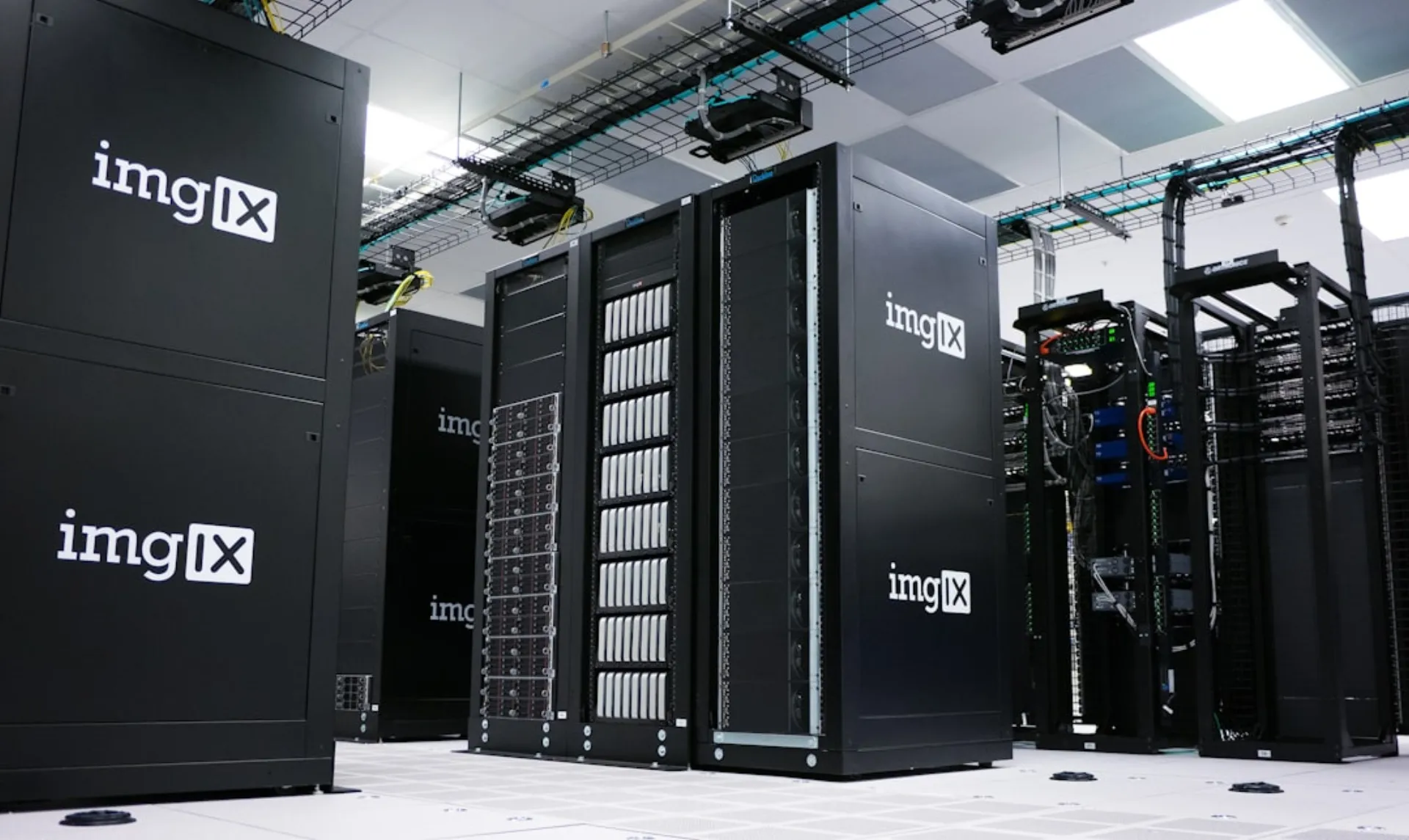
ZTABS delivers cloud services for Barcelona enterprises. We are remote-first by design, with an office in Houston, Texas. Our cloud services page covers our broader approach, and our cloud migration cost guide provides published planning benchmarks.
Barcelona's cloud requirements are shaped by the city's role as a Mediterranean technology hub, a major tourism destination with extreme seasonal demand patterns, a smart city adopter (FIWARE-based IoT platforms) and a gateway for European-Latin American business. RGPD (the Spanish GDPR) is enforced by AEPD. DORA (applicable from January 2025) applies to covered financial entities and their critical ICT third-party service providers. Banco de Espana and CNMV supervise financial entities. Barcelona's pharmaceutical and biotech cluster (22@ innovation district) generates cloud demand for clinical data and research computing. Spanish cloud regions include AWS eu-south-2 (Spain), Azure Spain Central, GCP europe-southwest1 (Madrid, selected services) and Oracle Cloud eu-madrid-1 (available since September 2022).
Barcelona cloud services at a glance
| Domain | Cloud focus | Industry context |
|---|
| Tourism and hospitality | Elastic auto-scaling, guest data RGPD compliance | Seasonal demand, event-driven spikes (MWC, festivals) |
| Smart city | FIWARE IoT hosting, sensor data analytics | Urban management, mobility, environmental monitoring |
| Enterprise | Cloud supporting GDPR/RGPD programmes, modernisation | AEPD enforcement, Mediterranean multi-market |
| Pharma and biotech | Clinical trial cloud, research computing | 22@ innovation district, EMA requirements |
Cloud architecture supporting GDPR/RGPD programmes
RGPD applies in Spain with AEPD enforcement. Cloud architecture implements GDPR technical controls: data processing agreements (Article 28), encryption at rest and in transit, customer-managed keys for sensitive workloads, access controls and comprehensive audit logging. Tourism data processing requires specific lawful bases for hotel guest data, visitor analytics and marketing. Barcelona enterprises processing data from multiple EU markets should verify transfer mechanisms for each data flow.
Spanish cloud regions (AWS eu-south-2, Azure Spain Central, GCP europe-southwest1 Madrid with selected services, Oracle eu-madrid-1) provide in-country hosting. Full-stack data residency assessment covers application data, backups, logs, monitoring, IaC state, telemetry, support access, subprocessor data flows and contractual terms. AEPD enforcement extends to cross-border data transfers. Cloud architecture supports GDPR compliance but full compliance depends on the organisation's complete data protection programme.
Tourism and hospitality elastic cloud
Barcelona's hospitality industry experiences significant seasonal demand variation and event-driven spikes. Mobile World Congress, La Merce festival, Champions League matches and summer tourism create booking surges requiring elastic cloud infrastructure. Cloud auto-scaling adjusts capacity based on configured policies and traffic patterns. Reserved capacity covers baseline workloads at lower cost. Auto-scaling handles demand peaks without provisioning permanent peak capacity.
Hotel booking systems, channel managers, revenue management platforms and guest data systems require cloud architecture that scales with demand while maintaining RGPD compliance for guest personal data. Cost management aligns infrastructure spending with seasonal revenue patterns. Actual scaling behaviour depends on application architecture, auto-scaling configuration, database scaling capability and traffic patterns.
Planning cloud infrastructure for your Barcelona enterprise?
Share your current infrastructure, regulatory context and compliance requirements. We will outline a practical approach.
Smart city and IoT cloud
Barcelona's smart city programme uses FIWARE-based platforms for urban management. Cloud infrastructure handles IoT data ingestion from sensors across the city, analytics processing and citizen service platforms. Smart city workloads include traffic and mobility analytics (TMB, TRAM, Bicing integration), environmental monitoring (air quality, noise, energy), urban planning with spatial analytics, and public service delivery platforms.
Edge computing processes latency-sensitive IoT data locally with cloud platforms handling analytics, historical analysis and reporting. IoT data volumes require scalable cloud storage and processing. Architecture distributes workloads between edge and cloud based on latency requirements and processing needs.
Enterprise cloud modernisation
Barcelona enterprises modernising legacy infrastructure benefit from the city's technology ecosystem maturity. Cloud migration challenges include RGPD compliance, integration with existing infrastructure, multi-language application requirements (Catalan, Spanish, English) and cost management. Mediterranean multi-market operations connecting Spain, France, Italy and Portugal require cloud architecture serving multiple EU markets with data residency controls per country.
Cloud cost management is essential. Without active FinOps (right-sizing, reserved capacity, auto-scaling, storage lifecycle policies), cloud expenditure can exceed on-premises costs. EUR/USD exchange rate fluctuations affect dollar-denominated cloud costs. Cloud migration does not automatically reduce costs.
DORA-supporting financial infrastructure
DORA applies to covered financial entities. The ESAs oversee specifically designated critical ICT third-party providers (CTPPs); not every cloud supplier used by a financial entity is a designated CTPP. Banco de Espana supervises banks. CNMV supervises securities markets. Cloud architecture for DORA-covered entities implements ICT risk management, risk-based exit or alternative strategies where applicable, concentration risk assessment, monitoring and incident response procedures supporting regulatory reporting timelines.
Barcelona's fintech ecosystem and financial services sector operate under Spanish and EU financial regulation. PSD2 payment processing requirements affect cloud architecture for payment platforms. Cloud infrastructure for financial services implements documented outsourcing governance, contractual provisions and audit capabilities.
Pharma and biotech cloud
Barcelona's 22@ innovation district hosts pharmaceutical and biotech companies. Cloud requirements include clinical trial data management (EDC systems, patient registries, regulatory submissions), genomic analysis (high-performance compute for sequencing data), drug discovery computing (molecular simulation, virtual screening) and GMP manufacturing analytics. Cloud architecture for pharma implements audit trails, change control and documentation supporting the client's validation programme.
Latin American market connectivity
Barcelona serves as a European hub for Latin American business. Cloud architecture connecting European and Latin American operations uses multi-region deployment across European and South American cloud regions. Multi-region adds complexity and cost. Architecture decisions balance latency requirements, data residency obligations per market and operational feasibility.
How delivery works
ZTABS is remote-first by design, with an office in Houston, Texas. Working hours, assigned personnel, on-site availability and overlap arrangements are agreed per engagement. Barcelona time zone alignment is managed through structured handoff and overlap scheduling.
Cloud strategy (illustrative 3 to 6 weeks): workload assessment, RGPD mapping, regulatory analysis and architecture design. Implementation (illustrative 8 to 24 weeks depending on scope): landing zone, security controls, workload migration and monitoring. Operations (ongoing): monitoring, cost optimisation, security management, compliance evidence. Phases, durations and deliverables are agreed per engagement.
Illustrative Example
Hypothetical: Elastic Cloud for a Barcelona Hospitality Technology Company
A Barcelona-based hospitality technology company serving hotel properties across Mediterranean markets would benefit from elastic cloud architecture. Multi-region deployment across Spanish and European cloud regions would provide per-market performance. Auto-scaling would handle seasonal demand variation and event-driven spikes. RGPD compliance controls would manage guest data across markets with per-country data residency where required. FinOps practices would align cloud costs with seasonal revenue patterns.
Planning assumptions: hospitality SaaS company, multi-market EU deployment, RGPD compliance. Estimated scope: Cloud-Native Refactoring tier ($120K to $200K, 18 to 32 weeks) based on published benchmarks. Actual scope, cost and outcomes would depend on application architecture, market count, data residency requirements and organisational readiness.
This is a hypothetical scenario for illustration. Actual scope, timeline and cost depend on your requirements.
See how cloud infrastructure applies to your Barcelona organisation?
Describe your regulatory context, data residency requirements and cloud objectives. We will map a practical path.
Cost and timeline benchmarks
Our cloud migration cost guide provides published planning benchmarks:
| Tier | Investment range | Timeline | Scope |
|---|
| Basic / Lift-and-Shift | $10K to $40K | 4 to 8 weeks | Move existing workloads to cloud VMs with basic networking and security |
| Re-Platforming | $40K to $120K | 8 to 18 weeks | Migrate to managed services, containerisation, CI/CD and monitoring |
| Cloud-Native Refactoring | $120K to $200K | 18 to 32 weeks | Microservices, serverless, event-driven architecture, auto-scaling |
| Enterprise Migration | $200K to $300K+ | 6 to 12 months | Multi-cloud, compliance (RGPD, DORA), DR, large-scale migration |
These are published planning benchmarks in USD. Ongoing cloud operating costs are separate from migration investment. Actual engagement scope and cost are agreed per project.
Choosing a cloud services partner for Barcelona
| Provider type | Strength | Tradeoff |
|---|
| ZTABS (remote-first, Houston office) | Cloud architecture with RGPD, DORA and Mediterranean market awareness | Remote-first by design |
| Spanish system integrators | Local market knowledge, AEPD experience | Evaluate cloud engineering depth per firm |
| Global consulting firms | Enterprise scale, multi-country compliance | Evaluate cost structure per engagement |
| Tourism technology specialists | Hospitality domain depth | Evaluate non-tourism breadth per firm |
| Cloud-native consultancies | Kubernetes and DevOps depth | Evaluate regulatory experience per firm |
Questions to ask any Barcelona cloud partner
Before selecting a cloud partner, verify their Spanish regulatory understanding. Ask about RGPD: do they assess full-stack data residency beyond Spanish region selection? Ask about DORA: do they understand Banco de Espana and CNMV scope? Ask about tourism: can they design elastic architecture for seasonal patterns? Ask about smart city: do they understand FIWARE and IoT data architecture? Ask about FinOps: do they implement ongoing cost governance?
When ZTABS is not the right fit
- You need a fully managed 24/7 cloud operations centre with guaranteed response SLAs. Managed cloud operations can be separately scoped, but a standing operations centre is a different service model.
- You need AEPD regulatory advice, RGPD legal counsel, CNMV regulatory guidance or audit attestation. We implement cloud infrastructure; regulatory, legal and attestation matters should be handled by qualified specialists.
Adjacent services scoped separately
Marketing, branding, creative, AI model training, data analytics and BI capabilities are available through separate engagements alongside or independent of cloud services work. See our digital marketing services and AI development services. ZTABS also builds custom white-label AI products that clients can brand and resell.
Risks that affect Barcelona cloud engagements
| Risk | How we address it |
|---|
| RGPD data residency violation | Full-stack assessment: data, logs, backups, telemetry, support, subprocessors |
| Tourism demand spikes | Elastic auto-scaling with configured policies; load testing before peak seasons |
| Multi-market compliance gaps | Per-country data residency and processing controls; documented transfer mechanisms |
| Cloud cost overrun | FinOps: right-sizing, reserved capacity, seasonal auto-scaling, governance |
Security baseline for Barcelona cloud workloads
Cloud security implements defence-in-depth: identity and access management with least-privilege policies, network segmentation with private subnets and security groups, encryption at rest and in transit, vulnerability scanning, patch management and incident response procedures. Security monitoring detects anomalous access patterns and potential threats. Security operations integrate with the organisation's incident response programme. Barcelona enterprises processing payment card data implement PCI DSS controls within cloud architecture.
Cloud cost management for Barcelona enterprises
Barcelona enterprise cloud spending requires disciplined FinOps practices. Tourism companies need cost alignment with seasonal revenue patterns. DORA-covered entities have procurement governance requirements. FinOps practices include right-sizing, reserved capacity for baseline, auto-scaling for seasonal demand, storage lifecycle policies and cost allocation per business unit. EUR/USD exchange rate effects on dollar-denominated cloud costs should be modelled. Cloud cost governance dashboards provide visibility into per-workload and seasonal consumption patterns.
Disaster recovery for Barcelona enterprises
Barcelona enterprises require DR with geographic separation. Multi-region DR uses secondary infrastructure in a different Spanish or European region subject to GDPR data residency. DORA-covered entities have specific operational resilience requirements. Tourism platforms require DR that maintains booking and guest service continuity. DR design specifies RTO and RPO aligned with operations. Testing DR regularly is essential since untested failover assumptions carry significant risk.
Infrastructure as code for Barcelona enterprises
IaC using Terraform, Pulumi or CloudFormation manages cloud resources as version-controlled code. For DORA-covered entities, IaC provides documented, auditable deployments supporting ICT governance. For tourism platforms, IaC enables consistent multi-region deployments with auto-scaling configurations. IaC manages declared resources and supports drift detection but cannot prevent all out-of-band changes. Governance processes complement IaC for production changes.
Kubernetes and container orchestration for Barcelona enterprises
Barcelona enterprises adopting container-based architecture use Kubernetes for workload orchestration. Managed Kubernetes services (EKS, AKS, GKE) reduce operational overhead. Tourism technology companies containerise booking and guest management systems for elastic scaling during seasonal peaks. Pharma companies containerise research computing workloads. Container security scanning, image registry management and network policies implement security at the container layer. Kubernetes does not automatically solve operational complexity; organisations need container orchestration expertise for production deployments.
Monitoring and observability for Barcelona cloud
Cloud observability implements comprehensive monitoring across infrastructure, applications and business metrics. For tourism platforms, monitoring tracks auto-scaling behaviour during demand spikes and seasonal patterns. Alerting policies define severity levels and response procedures. Log aggregation centralises logs from distributed cloud workloads for analysis and audit. Smart city monitoring connects IoT platform health with urban service delivery. FinOps monitoring tracks cloud spending against budget and seasonal revenue patterns. Observability tools include Prometheus, Grafana, CloudWatch and Azure Monitor depending on cloud provider selection.
Distinguishing cloud infrastructure from regulatory compliance
Cloud infrastructure implements encryption, access controls, audit logging and monitoring as technical controls. These support the organisation's compliance programme but are not themselves RGPD compliance, DORA compliance, AEPD regulatory compliance or audit attestation. Full compliance depends on the entity's complete programme, governance framework and qualified assessors. Organisations should maintain current data flow inventories. Data protection impact assessments (DPIAs) for high-risk processing should be completed before cloud deployment of personal data processing activities. Processor agreements under Article 28 should be verified for all cloud providers and subprocessors in the data processing chain.
Ready to build cloud infrastructure for your Barcelona enterprise?
Tell us about your regulatory context, compliance requirements and cloud objectives. We will outline a practical engagement.