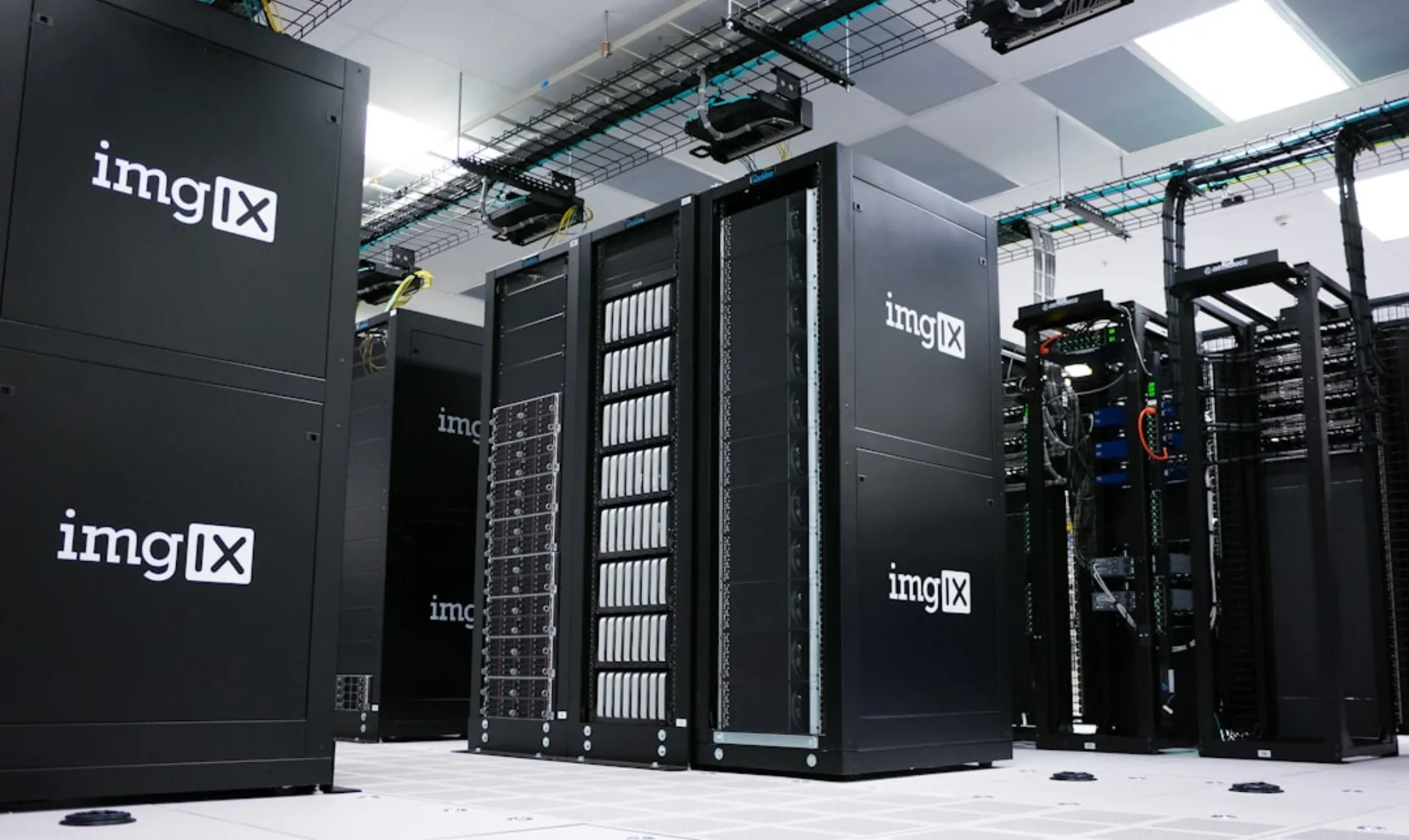
Our Cape Town cloud engagements address the specific challenges of operating cloud infrastructure in South Africa. Cloud strategy and architecture: we start with workload assessment — identifying which applications move to cloud, which stay on-premise (some workloads make sense on-premise in South Africa, particularly where load shedding makes cloud resilience more cost-effective than on-premise UPS/generator investment), and which require hybrid architecture. For multi-cloud (AWS af-south-1 + Azure South Africa): we design workload placement based on service availability, pricing, and latency requirements — not all services are available in the African regions. Load shedding resilience: Cape Town's (and South Africa's) load shedding reality affects cloud architecture decisions. On-premise data centers need UPS, generator backup, and fuel supply contracts — expensive and operationally complex. Cloud data centers (AWS and Azure) have independent power supplies and are not affected by Eskom's grid — one of the strongest arguments for cloud migration in South Africa. We architect hybrid solutions where cloud handles the workloads that need reliability, and on-premise handles workloads with latency sensitivity or data sovereignty requirements that cloud cannot meet. Cost optimization: South African cloud pricing is 10-20% higher than US/EU regions (smaller region, lower economies of scale). We implement aggressive cost management: reserved instances for steady-state workloads, spot instances for batch processing, right-sizing (most Cape Town enterprises over-provision by 40-60% when they first move to cloud), and data transfer optimization (egress costs from af-south-1 are significant — we architect to minimize unnecessary data transfer). POPIA compliance: POPIA requires that personal information is processed lawfully, with adequate security measures, and with data subject consent. Cloud architecture must address: where personal data is stored (af-south-1 or Azure South Africa for data residency), how data is encrypted (at rest and in transit — using AWS KMS or Azure Key Vault with customer-managed keys), who has access (IAM policies, privilege management, access logging), and how data flows between systems (ensuring personal information doesn't inadvertently transit through non-South African regions). DevOps and infrastructure-as-code: we implement CI/CD pipelines (GitHub Actions, GitLab CI, or AWS CodePipeline), infrastructure-as-code (Terraform for multi-cloud, CloudFormation for AWS-only), container orchestration (EKS on AWS, AKS on Azure), and monitoring (Datadog, Grafana Cloud, or CloudWatch/Azure Monitor).