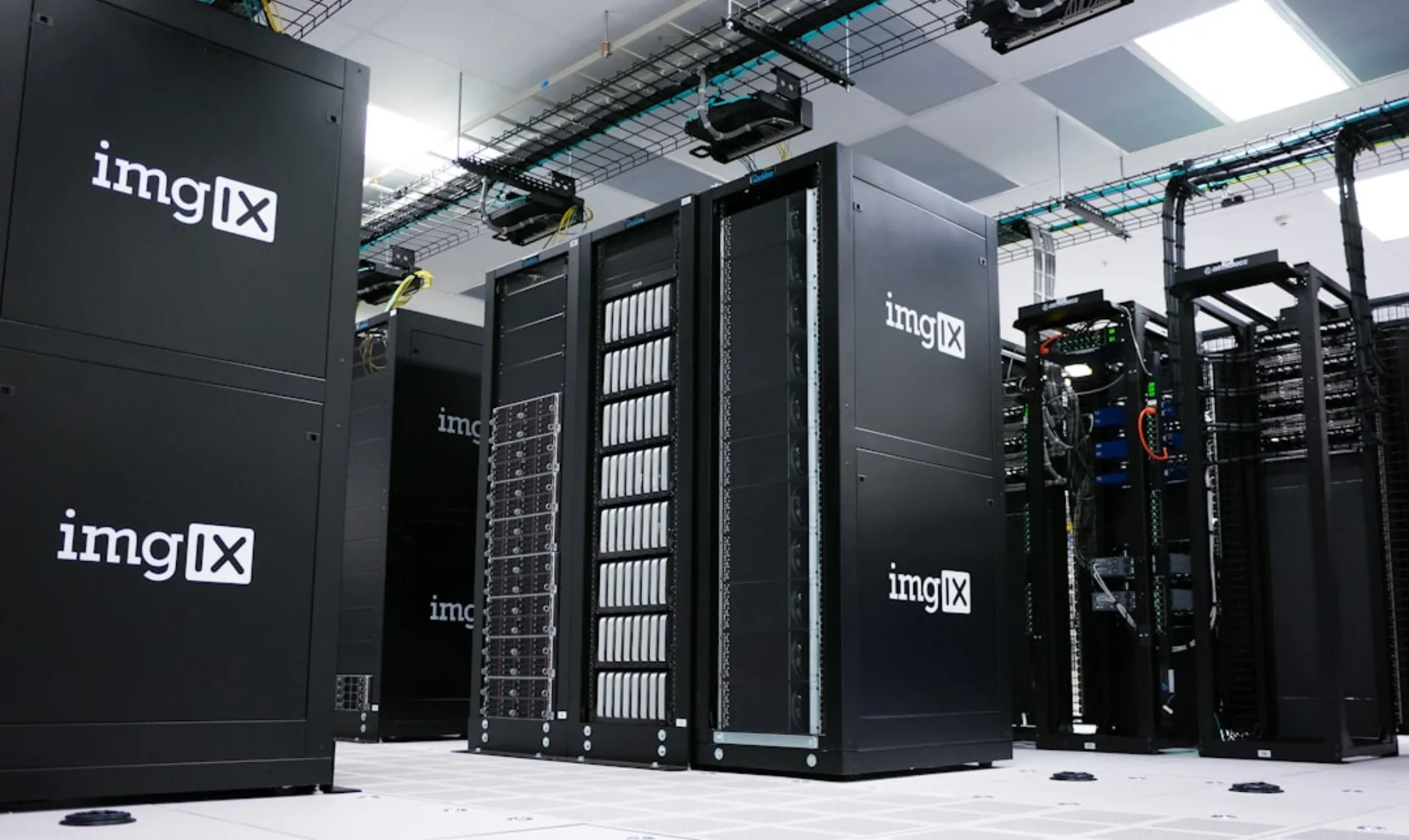
San Francisco's cloud services demand spans AI infrastructure, SaaS platforms, developer tools, and enterprise technology. AI infrastructure: GPU compute management (provisioning, scheduling, and optimising GPU clusters — NVIDIA A100, H100 across AWS, Azure, GCP, and dedicated GPU cloud providers like CoreWeave and Lambda), training infrastructure (distributed training across multi-GPU and multi-node setups — handling the networking, storage, and checkpoint management for large model training), inference optimisation (model serving infrastructure — batching, quantisation, caching, and routing to minimise cost-per-inference while maintaining latency SLAs), and MLOps (automated ML lifecycle — data pipeline management, experiment tracking, model deployment, A/B testing, and monitoring on cloud), SaaS cloud: multi-tenant architecture (cloud platforms for high-growth SaaS — tenant isolation, auto-scaling, and cost-efficient multi-tenancy at enterprise scale), global distribution (multi-region architecture for SaaS companies serving global markets — data residency, latency optimisation, and regulatory compliance per customer jurisdiction), and reliability engineering (SRE practices — SLO/SLI frameworks, error budgets, chaos engineering, and incident management for SaaS platforms with enterprise SLA requirements). Developer tools cloud: CI/CD infrastructure (cloud-hosted build, test, and deploy infrastructure — ephemeral compute for CI runners, artifact storage, and deployment orchestration), development environments (cloud-hosted development environments — Codespaces-style developer workspaces providing consistent, powerful compute for distributed teams), and platform engineering (internal developer platforms — self-service infrastructure provisioning, environment management, and developer productivity tooling). FinOps: cloud cost management at scale (managing $5M-$50M+ annual cloud spending — visibility, optimisation, and governance), GPU cost optimisation (managing the economics of AI infrastructure — GPU utilisation monitoring, spot/reserved strategy, and inference cost management), and unit economics (calculating and optimising the cloud cost component of product unit economics — cost-per-API-call, cost-per-user, cost-per-inference).