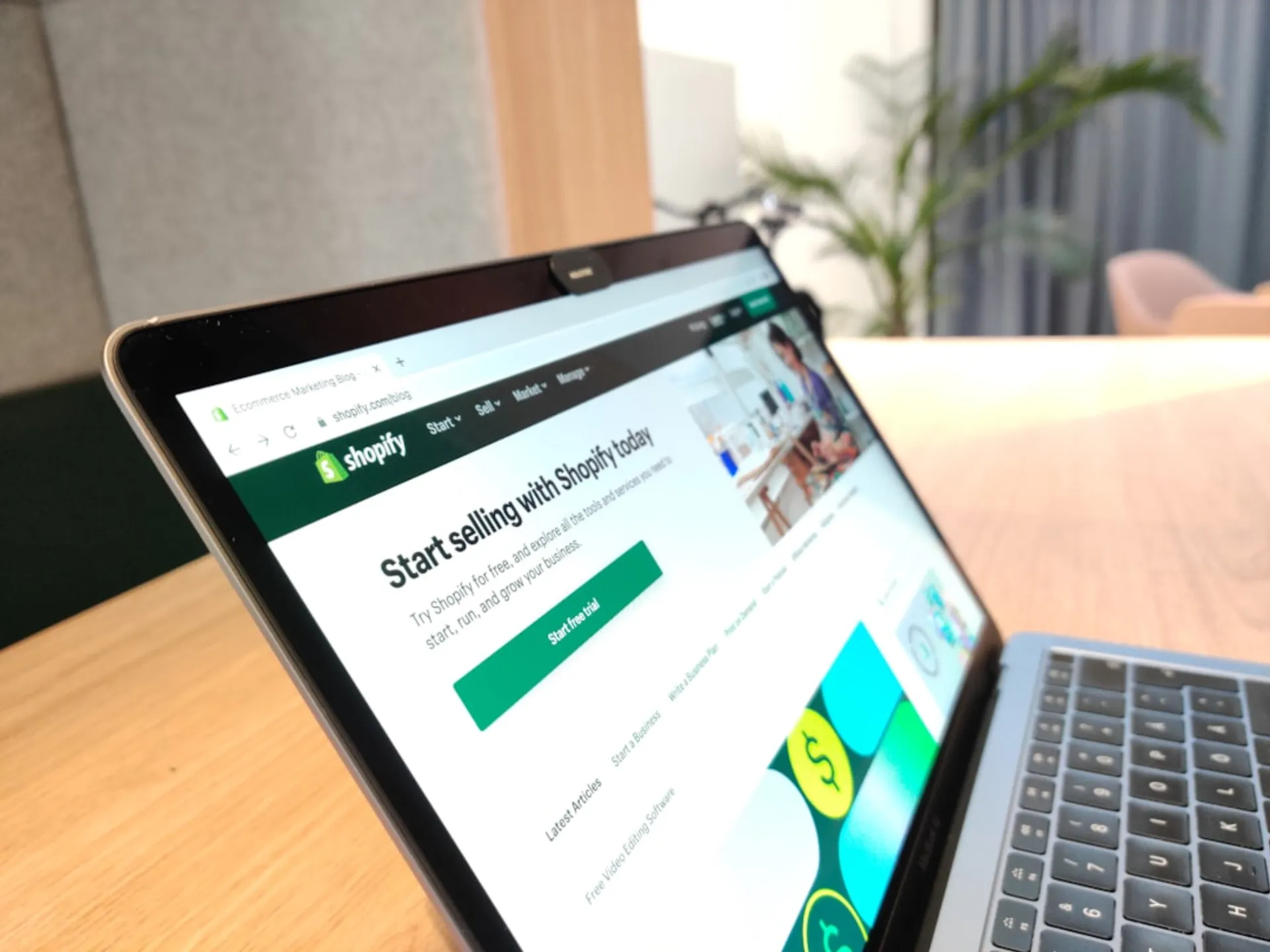
ZTABS builds e-commerce platforms for Berlin businesses serving Germany, Austria and Switzerland (DACH). We are remote-first by design from our Houston, Texas office. Collaboration schedules are agreed per engagement.
Germany is the largest e-commerce market in the EU by revenue. Berlin is the startup capital of Germany and Europe, hosting a concentration of D2C brands, fashion labels, sustainable commerce companies and marketplace ventures. German e-commerce is distinctive: legally demanding (Rechtstexte, Abmahnung culture, Preisangabenverordnung), payment-preference-specific (Kauf auf Rechnung, SEPA, Klarna), trust-dependent (Trusted Shops, Kaeufersiegel) and multi-market (DACH serving DE, AT and CH with different VAT rates and local preferences). Our broader e-commerce capabilities are on the e-commerce development services page.
Berlin e-commerce requires DSGVO/GDPR compliance, legally compliant Rechtstexte (Impressum, AGB, Widerrufsbelehrung, Datenschutzerklärung), Klarna and SEPA payment integration, Trusted Shops certification readiness, Preisangabenverordnung (price indication regulations), proper Widerrufsrecht (right of withdrawal) implementation and mobile-first design.
Berlin e-commerce projects at a glance
| Sector | What we build | Key requirement |
|---|
| D2C fashion | Sustainable fashion, streetwear | Klarna, Trusted Shops |
| Marketplace | Multi-vendor, B2B, vertical | Compliant legal pages, payment splitting |
| Food and beverage | Subscription, specialty, organic | Lebensmittelrecht, Pfand |
| B2B wholesale | Industrial, office, supplies | Kauf auf Rechnung, SEPA |
| DACH multi-market | DE/AT/CH storefronts | Multi-VAT, multi-currency |
What makes Berlin e-commerce different
Rechtstexte and Abmahnung culture
German e-commerce has the most demanding legal requirements in Europe. The four required Rechtstexte (legal text pages) are the Impressum (legal notice with company details, registration, tax ID, responsible person and contact information as required by section 5 DDG, which replaced the former TMG 5), AGB (Allgemeine Geschaeftsbedingungen, terms and conditions; AGB are mandatory if the business uses general terms, but there is no absolute legal requirement to have AGB if the business chooses to operate under default statutory provisions; in practice, most e-commerce businesses use AGB), Widerrufsbelehrung (cancellation policy clearly explaining the 14-day right of withdrawal under the Consumer Rights Directive as implemented in German law, with model withdrawal form) and Datenschutzerklaerung (privacy policy meeting DSGVO requirements including all processing activities, legal bases, data processors, retention periods and data subject rights).
Germany has an active Abmahnung (cease-and-desist) culture where competitors, law firms and consumer protection organisations systematically check e-commerce sites for legal compliance failures. A single Abmahnung can cost hundreds to thousands of euros in legal fees and damages. We work with the merchant's German legal counsel to implement Rechtstexte that are prominently accessible from every page. Templates and consent tools (such as Cookiebot) support compliance workflows but do not guarantee immunity from Abmahnung risk; merchant legal review remains necessary.
DSGVO/GDPR compliance
Germany enforces GDPR (known as DSGVO, Datenschutz-Grundverordnung) rigorously. Cookie consent under TDDDG (Telekommunikation-Digitale-Dienste-Datenschutz-Gesetz, formerly TTDSG) requires consent for non-essential cookies and similar technologies, with exceptions for technically necessary access (section 25(2) TDDDG). Consent management platforms (Cookiebot, Usercentrics or custom) support these workflows but do not guarantee compliance on their own. Privacy by design, data minimisation, documented processing records (Verarbeitungsverzeichnis), Data Protection Impact Assessments for high-risk processing and data subject rights implementation. German data protection authorities (Landesdatenschutzbehoerden) are among the most active in the EU.
Preisangabenverordnung
German price indication regulations (Preisangabenverordnung/PAngV) require total price display (including VAT with "inkl. MwSt." notation), unit pricing where applicable (price per prescribed reference unit such as kg, litre, metre, square metre or cubic metre depending on the product; "per piece" is not the default reference unit, and there are PAngV exceptions for certain product categories, small quantities and assortments), shipping cost display ("zzgl. Versandkosten" with link to shipping information or display of exact shipping cost), crossed-out pricing rules (PAngV section 11 requires that when a merchant announces a price reduction for consumer goods, the prior price shown must be the lowest price charged in the 30 days before the reduction; this applies to the merchant's own announced reductions, with applicable exceptions for perishable goods and progressive successive reductions, and does not automatically govern every reference-price comparison such as manufacturer's RRP/UVP references) and energy labelling for applicable products.
Klarna and German payment preferences
German consumers have specific payment preferences that differ significantly from the US market. Kauf auf Rechnung (purchase on invoice, the most popular payment method in Germany where customers receive goods before paying within 14 to 30 days, Klarna provides this with risk assumption), Klarna Ratenkauf (instalment payments over 6, 12, 24 or 36 months), SEPA-Lastschrift (direct debit, widely used for recurring payments and B2B), Sofortueberweisung (Klarna's instant bank transfer, declining but still used), PayPal (second most popular online payment method in Germany), credit cards (Visa, Mastercard, less dominant than in the US or UK), bank-based payments (giropay has been retired; current bank payment options include Klarna's Pay Now bank transfer and other local alternatives) and Apple Pay and Google Pay (growing).
Not offering Kauf auf Rechnung means losing access to the most preferred German payment method and significantly impacting conversion rates.
Building German or DACH e-commerce from Berlin?
Tell us the product category, target markets (DE, AT, CH) and compliance status. We will reply with a scoped plan and cost estimate.
Trusted Shops and trust elements
German consumers are trust-conscious. Trusted Shops (Kaeufersiegel) is the most recognised e-commerce trust seal in Germany. Displaying the Trusted Shops badge and offering Kaeufer-schutz (buyer protection) increases conversion. Other trust elements include SSL certificate display, clear return policies, customer reviews (with verified purchase badges), transparent company information (Impressum) and documented customer service response times.
DACH multi-market architecture
Serving Germany (DE), Austria (AT) and Switzerland (CH) from a single platform requires country-specific considerations. Multi-currency (EUR for DE and AT, CHF for CH), different VAT rates (19% Germany with 7% reduced, 20% Austria with 10% reduced, 8.1% Switzerland standard since January 2024 with 2.6% reduced), localised German content (German German, Austrian German and Swiss German have vocabulary and expression differences), country-specific shipping and returns (DHL Packstation in DE, Austrian Post in AT, Swiss Post in CH), different consumer protection nuances and country-specific Trusted Shops certification.
DHL Packstation and German logistics
DHL is the dominant carrier in Germany. DHL Packstation (automated parcel lockers with thousands of stations across Germany) is a significant delivery preference. We integrate DHL Packstation as a delivery option at checkout with Packstation address validation. Hermes, DPD and GLS provide alternative carrier options. Returns are heavily used in German e-commerce (Germany has among the highest return rates in Europe, especially in fashion) requiring efficient returns processing with pre-paid return labels.
Berlin D2C and sustainable fashion
Berlin is the centre of German sustainable fashion and streetwear D2C. Sustainability credentials (GOTS, OEKO-TEX, Fair Wear Foundation certification display where the merchant holds the actual certification for the specific product/range and has rights to display the marks; a brand-level certification does not automatically cover every product SKU), circular commerce (secondhand marketplace, repair services, trade-in programmes), editorial commerce (brand storytelling integrated with shopping using editorial content, lookbooks and behind-the-scenes production content), size and fit (German sizing with EU size charts, fit predictor integration to reduce returns) and sustainable packaging (plastic-free packaging options, package-free shipping where possible).
B2B and wholesale commerce
Berlin serves as a hub for German B2B e-commerce. Net pricing with VAT calculation for B2B customers (Netto/Brutto toggling based on customer type), Kauf auf Rechnung for B2B (standard payment term), SEPA-Lastschrift for recurring B2B purchases, custom pricing and volume discounts, catalog management with customer-specific pricing, procurement integration and Rechnung (invoice) generation meeting German requirements.
Food and beverage commerce
German food e-commerce has specific requirements. Lebensmittelinformationsverordnung (food information regulation requiring detailed nutritional information, allergen declarations and ingredient lists), Pfand system (deposit system for bottles and cans requiring Pfand handling in pricing and returns), organic certification display (Bio-Siegel, EU organic logo), regional product labelling and temperature-controlled delivery for fresh food.
Illustrative Example
Hypothetical: DACH Multi-Market Platform for a Berlin Sustainable Fashion Brand
A Berlin-based sustainable fashion D2C brand would build a Shopify Plus store serving DE, AT and CH. Core features would include compliant Rechtstexte (Impressum, AGB, Widerrufsbelehrung and Datenschutzerklaerung implemented in close collaboration with the merchant's German legal counsel, prominently accessible, noting that templates and tools support compliance but do not guarantee immunity from Abmahnung risk), German payment integration (Klarna Kauf auf Rechnung as primary payment method, Klarna Ratenkauf for higher-value purchases, SEPA-Lastschrift, PayPal, credit cards and Apple Pay), DACH multi-market (EUR pricing for DE/AT with CHF pricing for CH, VAT calculation per country, DHL Packstation in DE, Austrian Post in AT, Swiss Post in CH, localised German content per country), sustainability commerce (GOTS and OEKO-TEX certification display on every product page, supply chain transparency showing manufacturing locations and materials sourcing, circular commerce features including resale and repair programmes) and Trusted Shops (Kaeufersiegel certification with Kaeuferschutz buyer protection integration).
DSGVO/GDPR data handling with Cookiebot consent management (compliance depends on actual CMP configuration, scope, and processing activities, not on CMP tool adoption alone). Preisangabenverordnung-aware pricing implementation.
Development scope depends on DACH market count, sustainability features and design complexity. A Shopify/template store ($5K to $25K from our e-commerce cost guide) for basic German D2C. Custom Shopify ($25K to $60K) for Klarna and Trusted Shops. Headless ($60K to $120K) for editorial DACH multi-market. Custom platform ($120K to $200K+) for marketplace or B2B. Actual scope and timeline are agreed per engagement.
This is a hypothetical scenario for illustration. Actual scope, timeline and cost depend on your requirements.
Integration and checkout architecture
Berlin e-commerce integrates with payment processors (Stripe, Adyen for Klarna, SEPA), Klarna (Rechnung, Ratenkauf, Sofort), Trusted Shops, shipping carriers (DHL, Hermes, DPD), tax automation (multi-country DACH VAT), email marketing (Klaviyo, CleverReach), analytics and ERP (SAP, Xentral, sevDesk). Checkout handles Kauf auf Rechnung, SEPA, express payment and guest checkout. DHL Packstation as delivery option.
Returns and Widerrufsrecht
Germany has among the highest return rates in Europe, especially in fashion where consumers routinely order multiple sizes and return those that do not fit. The Widerrufsrecht (right of withdrawal) gives consumers 14 days to notify cancellation, then 14 days to return goods. Product pages must display Widerrufsrecht information including the withdrawal period, model withdrawal form and conditions where withdrawal does not apply (personalised goods, perishables, sealed health or hygiene products opened after delivery, sealed audio/video/software opened after delivery). Return postage costs may fall on the consumer if properly informed before purchase. We implement self-service returns portal (German-language returns interface with reason selection, DHL label generation and Packstation return drop-off), exchange-first workflow (offering exchange or store credit alongside refund, noting that exchange or credit cannot displace the consumer's statutory withdrawal and refund rights), returns tracking (real-time status updates), restocking automation (returned items inspected and re-graded) and returns analytics (tracking return rates by product, size and reason, essential for German fashion e-commerce where return rates can exceed 50% in some categories). Free returns are the standard expectation in German e-commerce.
Performance
Performance targets include sub-2-second LCP as a design goal, edge-cached collection pages, server-side rendering, lazy loading for below-the-fold content and predictive prefetching. German consumers are less tolerant of slow page loads than many markets.
Inventory and order management
Berlin businesses selling across multiple channels need unified inventory. We implement real-time inventory sync (reducing overselling risk across D2C, Amazon Germany, eBay Germany, Zalando and physical retail), DHL integration (order handoff to DHL with Packstation routing), multi-country fulfilment (DACH market with warehouse routing based on destination country), pre-order management, bundle management and integration with German fulfilment providers. Return inventory is particularly important in Germany where high return rates mean a significant portion of inventory cycles through returns processing.
Email and marketing automation
German consumers are privacy-conscious and require explicit opt-in for marketing communications. We implement DSGVO-compliant double opt-in (standard practice in Germany for email marketing; UWG section 7(3) provides an exception for own-similar-product marketing to existing customers who provided their email in connection with a sale, but this exception requires (a) easy and free objection at the time of collection AND (b) opt-out offered at each communication), Klaviyo or CleverReach (German-based alternative) integration, segmented campaigns by DACH country, abandoned cart recovery with Klarna payment reminder, post-purchase flow (DHL tracking, review request, Widerrufsrecht reminder), seasonal campaigns (Black Friday, Weihnachtsgeschaeft, Sommerschlussverkauf) and win-back sequences with DSGVO-compliant re-permission.
Search and product discovery
German e-commerce requires search optimised for the German language. We implement German-language search (search engine with compound word handling, as German creates compound nouns that standard search engines split incorrectly), faceted filtering (Groesse, Farbe, Material, Preis with URL-persisted filter state for SEO), visual merchandising (CMS-controlled collection layouts), recently viewed and wish list (persistent with Klarna instalment amounts displayed) and smart recommendations.
Observability and operations
Production German e-commerce needs monitoring including Klarna payment method distribution, return rate by product category, DHL Packstation delivery success, Trusted Shops certification status, Rechtstexte page accessibility, DSGVO consent rates and DACH multi-market performance. Seasonal patterns around Black Friday, Weihnachtsgeschaeft (Christmas season) and Sommerschlussverkauf require planning.
How delivery works
Collaboration schedules are agreed per engagement. Illustrative phase sequence:
- Discovery (illustrative: 2 to 4 weeks). Map requirements (Rechtstexte, Klarna, DACH markets, compliance), target markets, growth goals.
- Architecture (illustrative: 2 to 3 weeks). Platform selection, payment integration, DACH multi-market architecture, legal compliance.
- Build in two-week sprints. Each sprint ends with staging deployment. Rechtstexte implementation and Klarna integration alongside frontend development.
- Integration and testing. Klarna and SEPA testing, DHL integration, Rechtstexte legal review, DACH multi-market verification.
- Launch and operations. Production deployment, Trusted Shops application, monitoring setup.
Our usual stack is Next.js for headless frontends, Shopify Plus for commerce, Node.js with PostgreSQL for custom backends, and AWS for infrastructure. We also offer AI development services for product recommendations and German-language search. Digital marketing services support customer acquisition in German-speaking markets.
Need German or DACH e-commerce expertise?
Share your product category, DACH market targets and compliance requirements. We will map a production-grade German e-commerce architecture.
Cost and timeline
Costs depend on Rechtstexte complexity, DACH market count and Klarna integration. These ranges come from our e-commerce cost guide. All costs are in USD.
| Build | Typical cost | Typical timeline |
|---|
| Shopify/template store (basic German D2C) | $5K to $25K | 2 to 6 weeks |
| Custom WooCommerce/Shopify (Klarna, Trusted Shops, Rechtstexte) | $25K to $60K | 6 to 14 weeks |
| Headless commerce (Next.js, DACH multi-market, editorial) | $60K to $120K | 14 to 24 weeks |
| Custom e-commerce platform (marketplace, B2B wholesale) | $120K to $200K+ | 24 to 40 weeks |
DACH multi-market adds country-specific configuration. Sustainability adds certification and circular features. B2B adds Kauf auf Rechnung and procurement. Marketplace adds vendor management. These are planning benchmarks from the published guide, not guaranteed turnarounds. German legal compliance (Rechtstexte review with merchant's legal counsel) adds coordination time. DACH multi-market projects typically require additional weeks per market for localisation and country-specific testing.
Ongoing operations
After launch, Berlin e-commerce needs Rechtstexte maintenance (German consumer law evolves and Abmahnung risk requires ongoing legal review), Klarna optimisation, return rate management, DSGVO compliance updates and seasonal merchandising. Ongoing development budgets are scoped per engagement based on complexity. Rechtstexte need periodic review with merchant legal counsel as German consumer law evolves and new court rulings create Abmahnung risk. DACH multi-market brands need country-specific compliance monitoring.
Next step
Ready to build your Berlin e-commerce platform?
Send us the product category, DACH market targets and compliance status. We will reply with a proposed scope, technology recommendation and cost estimate.