ZTABS builds e-commerce platforms for New York brands across fashion, luxury, D2C and enterprise retail. We are remote-first by design from our Houston, Texas office. Collaboration schedules are agreed per engagement.
New York City is a major global retail centre. Fashion weeks set global trends, the luxury market generates billions annually, and the city produced the D2C revolution (Warby Parker, Glossier, Casper, Harry's). NYC's e-commerce market demands the highest visual standards, sophisticated merchandising and experiences that translate runway to retail. Our broader e-commerce capabilities are on the e-commerce development services page.
NYC e-commerce requires fashion-grade visual design, editorial commerce architecture, the SHIELD Act for data security, NYC sales tax with the clothing exemption, ADA web accessibility and D2C growth infrastructure. The market expects production-quality design and engineering.
NYC e-commerce projects at a glance
| Sector | What we build | Key requirement |
|---|
| Fashion | Editorial commerce, lookbooks, size/fit | Visual design, mobile-first |
| Luxury | White-glove digital, appointments, personalisation | Premium UX, clienteling |
| D2C | Subscription, growth, retention | A/B testing, analytics |
| Food | Restaurant merch, specialty food, meal kits | NYC tax, compliance |
| Enterprise retail | Omnichannel, marketplace, clienteling | Multi-channel integration |
What makes NYC e-commerce different
Fashion-grade visual design
NYC fashion e-commerce must feel like fashion media. We build editorial commerce (product pages with storytelling, editorial photography, styling context and narrative that transforms a product into a desire), visual merchandising (digital equivalents of window displays with curated collections, mood-driven browsing and discovery experiences), lookbook and campaign integration (seasonal campaigns and lookbooks integrated directly into the commerce experience as shoppable editorial) and mobile-native design (fashion browsing happens primarily on phones and the mobile experience must be flawless, not a responsive afterthought).
D2C growth infrastructure
NYC D2C brands iterate at speed. We build A/B testing across product pages, pricing, bundling, checkout flow and post-purchase upsells with statistical significance. Conversion optimisation includes checkout streamlining, abandoned cart recovery, post-purchase upsells and the micro-optimisations that compound. Retention mechanics cover loyalty programmes, referral systems, subscription management and win-back campaigns. Multi-touch attribution across paid social, influencer, email and organic helps optimise marketing spend.
Size and fit technology
The primary barrier to fashion e-commerce is incorrect sizing driving returns. We implement virtual try-on integration, AI-powered size recommendations based on purchase and return history, detailed fit notes per product and saved customer measurement profiles. Size-inclusive photography (showing garments on models across the size range) helps customers buy the right size and reduces returns.
NYC regulatory compliance
SHIELD Act. GBS 899-BB requires any person or business that owns or licences computerised data including NY-resident private information (as defined in 899-AA) to implement reasonable administrative, technical and physical safeguards. Small businesses have a context-appropriate standard. Entities already complying with GLBA, HIPAA or NY DFS cybersecurity regulations may satisfy SHIELD through that compliance path. The specific controls depend on the entity's size, data scope and existing regulatory obligations.
NYC sales tax. 8.875% is the general NYC combined rate. Per current Publication 718-C (effective March 1, 2025), qualifying clothing and footwear under $110 per item or pair is fully exempt from NYC and NYS sales tax including MCTD. Items at $110 or above pay the full rate. Not every item under $110 qualifies; actual human clothing/footwear qualifies while accessories, sports equipment and costumes may not. Mixed carts require per-item classification. Tax automation assists with rate lookup but actual product classification responsibility remains with the merchant.
ADA web accessibility. NYC businesses face frequent ADA-related lawsuits for inaccessible websites. We build to WCAG 2.1 AA from the start with accessible navigation, form labels, alt text, colour contrast and keyboard operability.
Building fashion or D2C e-commerce for New York?
Tell us the brand, product catalog, growth goals and editorial content requirements. We will reply with a scoped plan and detailed cost estimate for your NYC commerce platform.
Luxury commerce
NYC's luxury market demands white-glove digital experiences: appointment booking for private shopping, virtual consultations, personalised product selection, premium packaging options at checkout and clienteling (connecting in-store associates with online customer data for personalised selling). Luxury e-commerce must match the in-store experience in quality and attention to detail.
Food and restaurant commerce
NYC's restaurant industry sells merchandise, meal kits, sauces and specialty items D2C. Specialty food commerce serves NYC's diverse food culture (every cuisine is represented). Ghost kitchen commerce supports delivery-only restaurant brands needing digital ordering. Food subscription commerce handles meal kits, snack boxes and specialty ingredients.
Wholesale and B2B fashion
Fashion brands sell to retailers through digital wholesale platforms with line sheet management, order tracking and retailer relationship tools. Wholesale portals with tiered pricing, minimum order quantities, pre-order for upcoming seasons and invoice-based payment terms (Net 30/60) serve the B2B side alongside D2C. Digital showrooms enable retailers to browse collections virtually, select styles and place orders without attending physical showroom appointments.
Same-day and ultra-fast delivery
NYC consumers expect fast delivery. We integrate with same-day delivery services (DoorDash, local courier networks; actual service geography, merchant-provider agreements, coverage zones and delivery windows vary by provider), build delivery time-slot selection, implement delivery tracking integration and support contactless delivery options. NYC apartment delivery requires buzzer and building access instructions in the checkout flow.
Pop-up and event commerce
NYC fashion operates through pop-ups and events. We build pop-up POS integration (temporary physical retail connected to the main e-commerce inventory), event-exclusive products (limited items available only during events with post-event waitlist), Fashion Week commerce (runway-to-retail with real-time product listing during shows) and sample sale commerce (flash sale infrastructure handling high traffic and limited inventory for NYC sample sales).
Platform selection for NYC e-commerce
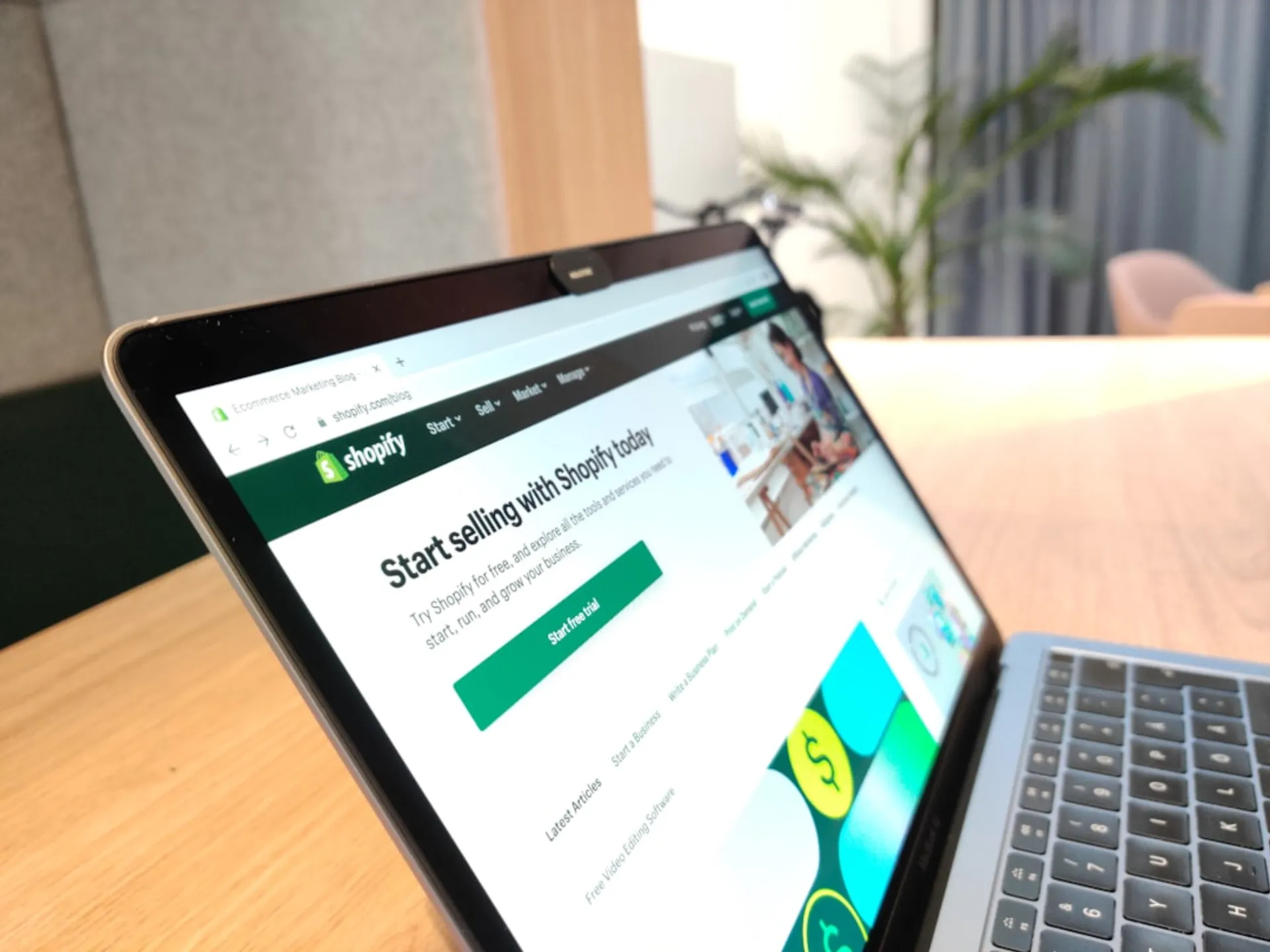
Shopify Plus is the dominant platform for NYC fashion and D2C with extensive app ecosystem, reliable checkout and integrated payments. Headless Next.js with Shopify backend provides maximum design control and performance for editorial commerce experiences. Custom platforms serve enterprise retail with multi-brand marketplace architecture, complex omnichannel and deep integration requirements.
Checkout and payment
Fashion checkout handles the NYC clothing tax exemption correctly per item. Express checkout (Apple Pay, Google Pay, Shop Pay) reduces friction for mobile fashion purchases. Buy Now Pay Later (Afterpay, Klarna, Affirm) is standard for NYC fashion where average order values justify instalment options. Multi-currency display for international visitors with smart geolocation detection. Gift card support with balance checking and split payment combining gift cards with other methods in a single transaction.
Illustrative Example
Hypothetical: Headless Fashion D2C for an NYC Emerging Designer Brand
An NYC-based emerging fashion brand would build a headless Next.js storefront on Shopify Plus with editorial storytelling. Core features would include craftsmanship photography (macro shots showing fabric weave and stitching detail, 360-degree views, fabric swatch information), story-driven collections (immersive landing pages with inspiration narrative, shoppable editorial content within the story flow), inclusive size photography (multiple models across the size range with size-specific fit notes) and NYC tax handling (correct clothing exemption for items under $110 in mixed carts).
SHIELD Act safeguards applied. WCAG 2.1 AA targeted. Mobile-first design.
Development scope depends on catalog size, editorial complexity and photography integration. A Shopify/template store ($5K to $25K from our e-commerce cost guide) would handle basic fashion commerce. Custom Shopify ($25K to $60K) would support advanced merchandising. Headless commerce with editorial design ($60K to $120K) would serve fashion brands needing maximum design control. Actual scope and timeline are agreed per engagement.
This is a hypothetical scenario for illustration. Actual scope, timeline and cost depend on your requirements.
Integration and merchandising architecture
NYC e-commerce integrates with payment processors (Stripe, Shopify Payments), shipping carriers (FedEx, UPS, USPS, same-day delivery services), tax automation (Avalara, TaxJar with NYC clothing exemption), influencer and affiliate platforms, email and SMS marketing (Klaviyo, Attentive with approved API scopes and data purposes per platform terms and applicable consent requirements), and analytics (Google Analytics 4, custom attribution).
Visual merchandising and content
Fashion e-commerce needs rich media management: high-resolution product photography (8+ images per product with on-model and flat-lay), video content (styling videos, behind-the-scenes, runway clips), editorial content integration (lookbooks, campaign pages, designer interviews) and user-generated content (customer photos and reviews from direct submissions and, where licensed reuse rights and platform API permissions are obtained, aggregated from social media). Content management through headless CMS (Sanity, Contentful) enables editorial team autonomy without engineering dependencies.
Returns and exchange management
Fashion tends to have high return rates. We build streamlined returns (self-service returns portal with reason codes, prepaid labels and refund or exchange processing subject to inspection, PSP settlement timing and merchant policy), exchange-first flows (encouraging exchanges over refunds by showing alternative sizes and colours during the return process), store return integration (buy online, return in store for brands with NYC retail locations), return analytics (identifying products with high return rates and common reasons to inform buying and product description improvements) and restocking workflows (returned items graded through inspection and relisted where condition permits; physical grading is not performed by software).
Neighbourhood and local commerce
NYC operates as a collection of distinct neighbourhoods. We build neighbourhood-based merchandising (collections and recommendations curated for SoHo shoppers versus Upper East Side versus Brooklyn), local delivery zones (same-day delivery available within specific NYC zones with zone-specific pricing), pop-up coordination (connecting online commerce with temporary physical retail in specific neighbourhoods) and community commerce (connecting with local NYC communities through neighbourhood-specific campaigns and collaborations).
Multi-language for international NYC customers
NYC attracts international shoppers. We build multi-language product content (beyond English and Spanish, key languages for NYC include Chinese, Korean, Russian and French), multi-currency display (showing prices in visitor's local currency), international shipping options (duties and taxes calculated at checkout for transparency) and culturally appropriate merchandising for international audiences visiting NYC.
Observability and operations
Production e-commerce needs monitoring including checkout conversion rate, payment processing health, inventory accuracy, search relevance and site performance (Core Web Vitals). Fashion e-commerce has seasonal traffic patterns (Fashion Week, holiday season) requiring auto-scaling architecture. Incident response accounts for revenue-per-minute calculations during peak periods.
Personalisation and clienteling
NYC luxury and fashion retailers use clienteling (connecting sales associates with customer data for personalised selling). We build customer preference profiles (saved sizes, style preferences, purchase history accessible to associates), personalised product recommendations (AI-driven suggestions based on browsing and purchase patterns), wishlist and save-for-later (customers curate items with price-drop notifications), lookbook personalisation (dynamic lookbooks assembled from customer style preferences) and VIP customer management (identifying high-value customers for exclusive access and personalised outreach).
Data migration and launch
Fashion brands migrating from legacy platforms need product data migration (photography, descriptions, technical specifications, inventory), customer data migration (accounts, order history, loyalty points), URL redirect mapping (preserving SEO authority) and integration testing. Launch coordination accounts for marketing calendar, Fashion Week timing, holiday season preparation and traffic pattern analysis. Pre-launch checklist includes payment processing verification, tax calculation testing across exemption thresholds, mobile checkout testing, accessibility audit and performance load testing for expected traffic levels.
How delivery works
Collaboration schedules are agreed per engagement. Illustrative phase sequence:
- Discovery (illustrative: 2 to 4 weeks). Map requirements (product catalog, design standards, payment, tax, integrations), brand identity, growth goals.
- Architecture (illustrative: 2 to 3 weeks). Platform selection, design system, editorial content architecture, tax configuration.
- Build in two-week sprints. Each sprint ends with staging deployment. Visual design and editorial integration alongside development.
- Integration and testing. Payment processing, tax calculation verification, shipping, accessibility testing.
- Launch and operations. Production deployment, monitoring setup, growth optimisation.
Our usual stack is Next.js for headless frontends, Node.js with PostgreSQL for custom backends, Shopify Plus for hosted commerce, and AWS for infrastructure. We also offer AI development services for product recommendations and size prediction. Digital marketing services support customer acquisition.
Need fashion or luxury e-commerce expertise for NYC?
Share your brand, product catalog, editorial content needs and growth ambitions. We will map a production-grade e-commerce architecture for the NYC fashion market.
Cost and timeline
Costs depend on design complexity, editorial requirements and integration scope. These ranges come from our e-commerce cost guide. All costs are in USD.
| Build | Typical cost | Typical timeline |
|---|
| Shopify/template store (basic catalog, standard checkout) | $5K to $25K | 2 to 6 weeks |
| Custom WooCommerce/Shopify (advanced design, merchandising) | $25K to $60K | 6 to 14 weeks |
| Headless commerce (Next.js + Shopify, editorial, performance) | $60K to $120K | 14 to 24 weeks |
| Custom e-commerce platform (marketplace, multi-brand) | $120K to $200K+ | 24 to 40 weeks |
Fashion adds editorial design complexity. Luxury adds clienteling and personalisation. Enterprise adds omnichannel integration. These are planning benchmarks from the published guide, not guaranteed turnarounds. Scope and timelines are defined during discovery and agreed per engagement.
Ongoing operations
After launch, NYC e-commerce needs seasonal merchandising updates, conversion optimisation, marketing integration maintenance, tax compliance monitoring and performance tuning. Ongoing development budgets are illustrative at $3,000 to $15,000 per month and scoped per engagement. Fashion brands with seasonal collections and editorial content tend toward the higher end.
Accessibility compliance
NYC businesses face frequent ADA lawsuits for inaccessible websites. Ongoing accessibility monitoring supports WCAG 2.1 AA targets as content and features evolve. Automated scanning detects common issues but does not ensure continued compliance or full accessibility for all users; manual assistive-technology testing, operator content updates and remediation workflows are also needed. Clean scan reports do not constitute legal proof of compliance.
Choosing an e-commerce development partner for NYC
| Option | Good for | What to verify |
|---|
| ZTABS (remote-first, Houston office) | Fashion-grade design with headless architecture and growth infrastructure | Remote-first by design |
| NYC fashion agency | Deep fashion domain knowledge | Ask about headless engineering depth |
| Luxury specialist | Premium brand experience | Ask about D2C growth infrastructure |
| D2C growth agency | Conversion optimisation | Ask about fashion design standards |
| Enterprise consultancy | Large-scale transformation | Ask about startup-stage velocity |
Risks that delay NYC e-commerce projects
| Risk | How we mitigate |
|---|
| Fashion design review cycles | Collaborative design process with clear milestones |
| NYC clothing tax exemption complexity | Tax automation with per-item calculation |
| ADA accessibility compliance | WCAG 2.1 AA from project start |
| SHIELD Act data security | Security architecture from day one |
| Seasonal launch timing | Backward planning from target launch date |
Next step
Ready to build your NYC e-commerce platform?
Send us the brand, product catalog, target market and feature priorities. We will reply with a proposed scope, technology recommendation and cost estimate.