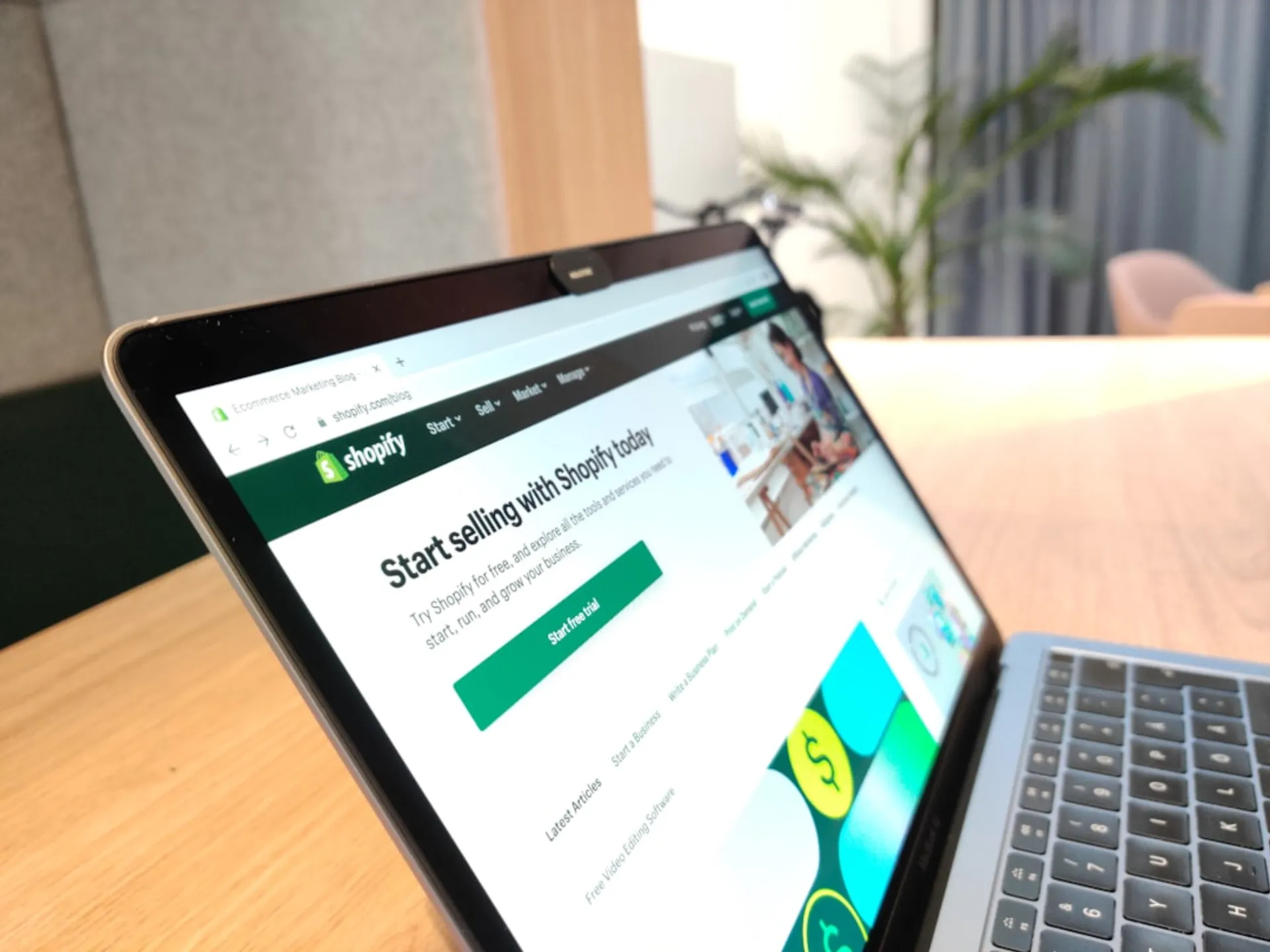
ZTABS builds e-commerce platforms for Cape Town businesses across South African D2C, wine commerce and African expansion. We are remote-first by design from our Houston, Texas office. Collaboration schedules are agreed per engagement.
Cape Town is a major creative and wine hub in South Africa with a growing e-commerce ecosystem. The city's wine industry (Stellenbosch, Franschhoek, Constantia), fashion and design scene, artisan food producers and tourism economy create D2C opportunities. South Africa's payment landscape (PayFast, Ozow, SnapScan), delivery challenges (Pargo click-and-collect solving last-mile in townships and rural areas) and infrastructure realities (load shedding, data cost sensitivity) require localised e-commerce architecture. Our broader e-commerce capabilities are on the e-commerce development services page.
Cape Town e-commerce requires PayFast and Ozow integration, Pargo click-and-collect, POPIA compliance, South African VAT (15%), ZAR pricing, age verification for alcohol, load shedding resilience and data-cost-conscious design for consumers on prepaid mobile data.
Cape Town e-commerce projects at a glance
| Sector | What we build | Key requirement |
|---|
| Wine and spirits | Estate D2C, wine clubs | Age verification, cold chain |
| Fashion and design | Cape Town designers, home decor | Pargo delivery, BNPL |
| Artisan food | Biltong, rooibos, specialty food | Provenance, subscription |
| Tourism commerce | Experiences, safari, merchandise | Multi-currency, international |
| B2B wholesale | Agriculture, wine trade, food supply | Credit terms, bulk ordering |
What makes Cape Town e-commerce different
South African payment stack
PayFast (South Africa's leading payment gateway accepting all domestic methods including EFT, cards, SnapScan, Zapper, Mobicred BNPL, SCode cash and instant EFT), Ozow (instant EFT directly from bank account with no card required; Ozow does not charge the consumer a card fee, but merchant fees apply and are not zero), SnapScan (QR code mobile payment popular at markets and for online shopping), Payflex (BNPL allowing customers to pay in 2, 3 or 4 instalments depending on the plan and approval; terms, interest-free periods and instalments vary by product and approval), PayJustNow (Pay-in-3 with instalments aligned to salary dates; terms and approval vary), SCode (cash payment at Shoprite and Checkers stores for unbanked consumers who do not have bank accounts or cards), credit and debit cards (through PayFast or Peach Payments) and Apple Pay. We integrate the relevant payment methods where the merchant has the applicable provider agreements because a significant portion of South African consumers do not have credit cards.
Pargo click-and-collect
Pargo provides click-and-collect through collection points across South Africa including Pick n Pay, TFG, Clicks and independent retailers. Click-and-collect solves two South African delivery challenges: last-mile delivery in townships and informal settlements where street addresses are unreliable, and delivery security (package theft is a concern for unattended home delivery). We integrate Pargo into checkout with collection point selection by proximity, real-time availability and collection notification. Pargo also provides locker networks for self-service collection.
POPIA compliance
South Africa's Protection of Personal Information Act governs e-commerce data collection. POPIA provides multiple lawful bases for processing beyond consent (including contractual necessity and legitimate interest). Purpose specification, processing limitation, information quality, openness (privacy notice), security safeguards, data subject rights (access, correction, deletion), cross-border transfer restrictions (POPIA section 72 provides conditions for cross-border transfer including adequate protection, consent or contractual necessity) and Information Regulator notification. Section 69 allows direct marketing to existing customers for the responsible party's own similar products or services, subject to opt-out, provided the customer was given a reasonable opportunity to object at the time of collection and on every subsequent communication, and the contact details were obtained in the context of a sale. We implement POPIA-compliant data handling practices and privacy notices.
Load shedding resilience
Load shedding (scheduled power outages from Eskom affecting South Africa) has historically impacted consumers and businesses. South Africa has experienced a national reprieve from load shedding (no scheduled outages for an extended period as of 2025), though localised faults, grid constraints and future capacity uncertainty mean resilience remains prudent. Cloud-hosted infrastructure in data centres with their own power redundancy reduces the risk from local power outages, though DNS, ISP routing and third-party dependencies can still be affected by widespread grid events. For consumers on intermittent power, we optimise with progressive loading (site functional even on slow or interrupted connections), session persistence where the browser's storage API is available (cart state depends on client storage behaviour and is not guaranteed to survive every power cycle or browser restart), lightweight page architecture (minimise data transfer for each page load) and offline-capable PWA features where practical.
Data cost optimisation
South African mobile data is expensive relative to incomes. Many consumers browse on prepaid data packages. We optimise with aggressive image compression (AVIF/WebP with quality tuned for bandwidth-conscious display), lazy loading (load only visible content), minimal JavaScript bundle size, data-saver mode detection (serving reduced content to devices reporting data-saver preference) and efficient API calls (minimising data transfer for product browsing, search and checkout).
Building South African D2C or wine e-commerce?
Tell us the brand, product category, delivery requirements and target markets (South Africa, Africa, international). We will reply with a scoped plan and cost estimate.
Wine estate D2C commerce
Cape Town's wine region (Stellenbosch, Franschhoek, Paarl, Constantia, Swartland) produces world-class wines with strong D2C potential. We build vintage management (each wine presented with vintage year, tasting notes, winemaker commentary, food pairing and cellaring guidance), wine club subscriptions (quarterly or biannual shipments with exclusive cellar allocations, vertical tastings and member events), cellar-door integration (online booking for tastings and tours that feed into D2C conversion with post-visit follow-up), wine route integration (connecting the estate to its wine route for tourism discovery) and international export (USD and GBP pricing for international customers with customs documentation and temperature-controlled shipping).
Alcohol commerce requires age verification (18+ in South Africa), liquor licence compliance, responsible drinking messaging and carrier compliance for alcohol shipping.
Fashion and design commerce
Cape Town's fashion scene (independent designers, African print, sustainable fashion) creates D2C opportunities. Fashion D2C needs editorial product presentation, Payflex/PayJustNow BNPL (widely used for fashion purchases where the merchant has provider approval), Pargo click-and-collect (widely used for fashion delivery), size guidance (South African sizing with international conversion) and Instagram Shopping integration. Sustainable fashion (South African designers using African fabrics, recycled materials, ethical production) features supply chain transparency and material sourcing stories.
Artisan food commerce
South African artisan food (biltong, droewors, rooibos, craft chocolate, artisan cheese, small-batch preserves) creates D2C and subscription opportunities. We build provenance storytelling (origin, production method, maker profile), subscription boxes (monthly South African food discovery), gift commerce (hampers with South African products for domestic and diaspora), temperature-controlled shipping for perishable products and export compliance for international food shipping.
Tourism and experience commerce
Cape Town is a major tourism destination. Tourism e-commerce includes experience booking (Table Mountain, wine tours, shark diving, safari), accommodation extras, tourism merchandise (South African design products) and multi-currency commerce (ZAR, USD, GBP, EUR with currency detection by visitor origin). Tourism commerce needs multi-language support (English primary, German, French for key source markets) and seasonal capacity management.
Delivery and logistics in South Africa
South African delivery is complex. Urban delivery (The Courier Guy, Dawn Wing, Aramex) for Cape Town, Johannesburg, Durban and other metros. Pargo click-and-collect for coverage gaps and security. Rural delivery with extended timelines and limited tracking. International shipping (DHL, FedEx, PostNet) for export. We configure delivery options showing realistic timelines, Pargo collection points by proximity and delivery cost transparency. Free delivery thresholds (typically ZAR 500 to 1,000) incentivise larger baskets.
Illustrative Example
Hypothetical: D2C Platform for a Stellenbosch Wine Estate
A Stellenbosch wine estate would build a D2C platform with wine club and cellar-door integration. Core features would include wine catalog with vintage management (each wine with vintage year, tasting notes, winemaker video, food pairing, cellaring advice and critic scores), wine club (quarterly shipments with cellar allocation for premium wines, exclusive vintages, member pricing, virtual tasting events), cellar-door integration (online booking for tastings and tours, post-visit email with wines tasted and direct purchase links), South African payments (PayFast for all domestic methods including EFT and cards, Ozow instant EFT, Payflex BNPL for case purchases) and international export (USD and GBP pricing, temperature-controlled international shipping with customs documentation, DHL for international delivery).
POPIA data handling controls appropriate to the merchant's processing activities (implemented controls, not automatic compliance certification). Age verification at 18+. South African VAT at 15%. Liquor licence compliance depends on the merchant's applicable provincial and national licences and conditions.
Development scope depends on wine club complexity and international shipping. A Shopify/template store ($5K to $25K from our e-commerce cost guide) for basic wine D2C. Custom Shopify ($25K to $60K) for wine club and cellar-door integration. Headless ($60K to $120K) for full estate experience with international export. Custom platform ($120K to $200K+) for multi-estate or wine marketplace. Actual scope and timeline are agreed per engagement.
This is a hypothetical scenario for illustration. Actual scope, timeline and cost depend on your requirements.
African expansion from Cape Town
Cape Town is the natural base for African e-commerce expansion. South Africa is the continent's most developed e-commerce market and Cape Town brands expand into Namibia (NAD pegged to ZAR, similar consumer behaviour, easy logistics), Botswana (BWP, growing middle class, cross-border logistics through road freight), Kenya (M-Pesa mobile payment dominance, English-speaking, KES currency), Nigeria (largest African market, Paystack/Flutterwave payment, complex logistics) and Ghana (growing e-commerce, mobile money payments). Each African market has different payment infrastructure, logistics challenges and consumer behaviour. We configure multi-market architecture with market-specific payment methods, local currency pricing and logistics partners.
South African marketplace integration
Takealot is South Africa's dominant online marketplace. We build Takealot Seller Portal integration with inventory sync (reducing overselling risk between D2C store and Takealot; sync latency, concurrent purchases and warehouse discrepancies can still cause stock mismatches), order aggregation, pricing management (accounting for Takealot commission) and product data formatting for Takealot's requirements. Superbalist (fashion), Yuppiechef (kitchen and home) and BobShop (rebranded from bidorbuy in March 2023; auction and fixed-price) are category-specific alternatives. Brand-owned D2C provides higher margins and customer data ownership while Takealot provides volume and discovery.
South African mobile commerce
South Africa is mobile-first. Many consumers access the internet primarily through smartphones, often on prepaid data. We optimise for mobile conversion with single-column layouts, thumb-friendly buttons, streamlined mobile checkout, PayFast mobile integration and progressive loading that works on intermittent connectivity. WhatsApp commerce integration is relevant (WhatsApp is the primary messaging platform in South Africa; we integrate WhatsApp for order notifications, customer service and product enquiry via WhatsApp Business API, subject to WhatsApp's commerce and messaging policies and permissions).
Seasonal South African commerce
South African e-commerce seasons. Black Friday (the single largest e-commerce event in South Africa, often eclipsing December), Christmas and summer holidays (December and January, coinciding with summer), Valentine's Day, Heritage Day (celebrating South African culture), Mother's Day and Father's Day. Wine commerce peaks during harvest (February to April) and tourism peaks December to March. We configure seasonal campaign architecture with promotional calendars, email marketing automation and capacity planning for Black Friday peak loads.
Integration and checkout architecture
Cape Town e-commerce integrates with PayFast, Ozow, Payflex/PayJustNow, Pargo, Takealot (marketplace), domestic carriers (The Courier Guy, Dawn Wing), international carriers (DHL, FedEx), South African VAT automation, email marketing (Klaviyo), analytics and CRM. Checkout handles PayFast methods (EFT, cards, SnapScan, SCode), Ozow instant EFT, BNPL and guest checkout.
Returns and South African consumer law
South African Consumer Protection Act (CPA) provides the consumer with a choice of remedies for defective goods (repair, replacement or refund at the consumer's election, not the seller's). CPA section 16 provides a 5-business-day cooling-off period for direct marketing transactions (not calendar days; actual exceptions and scope conditions apply). The ECTA (Electronic Communications and Transactions Act) section 44 provides a 7-day cancellation right for e-commerce transactions, with its own exceptions (for perishable goods, unsealed audio/video/software and newspapers/periodicals among others). The CPA section 44 referenced in some sources is not the cooling-off provision; the cooling-off right is in CPA section 16. Return policies should reflect the applicable statutory right. We implement self-service returns portal, return pickup scheduling or Pargo drop-off returns, restocking automation and returns analytics. Wine returns are limited in practice (merchants commonly restrict alcohol returns to damaged, defective or incorrectly described goods; however, the ECTA section 44 seven-day cancellation right does not universally exclude alcohol from its scope, and the CPA defective-goods remedy applies regardless of product category where the goods are defective).
Performance for South African networks
South African mobile networks vary in speed and reliability across different areas and carriers (Vodacom, MTN, Cell C, Telkom). We target optimised loads on 4G connections with server-side rendering, aggressive image optimisation (AVIF/WebP tuned for bandwidth savings), minimal JavaScript bundle size, lazy loading and data-saver detection serving reduced content to bandwidth-constrained devices. Service workers support offline resilience during connectivity interruptions, providing cached page access and basic browsing capability where the service worker cache is populated; actual cart persistence depends on the browser's storage API behaviour and is not guaranteed across every power cycle or browser restart.
Observability and operations
Production Cape Town e-commerce needs monitoring including PayFast and Ozow transaction health across all payment methods, Pargo collection point utilisation and collection completion rates, delivery success rates by region and carrier, wine club subscription health and renewal rates, SCode cash payment completion rates, load shedding impact on consumer behaviour patterns and seasonal cycles (wine harvest February to April, tourism peak December to March, Black Friday which is the largest e-commerce event in South Africa).
How delivery works
Collaboration schedules are agreed per engagement. Illustrative phase sequence:
- Discovery (illustrative: 2 to 4 weeks). Map requirements (payment methods, delivery, wine compliance, international export), target markets, growth goals.
- Architecture (illustrative: 2 to 3 weeks). Platform selection, PayFast/Ozow integration, Pargo setup, data-cost optimisation plan.
- Build in two-week sprints. Each sprint ends with staging deployment. Payment and delivery integration alongside frontend development.
- Integration and testing. PayFast all-methods testing, Pargo collection flow, age verification (for alcohol), mobile performance on South African networks.
- Launch and operations. Production deployment, monitoring setup, seasonal preparation.
Timelines are illustrative and agreed per engagement, not guaranteed turnarounds. Wine commerce adds age verification and liquor compliance. International export adds customs documentation. Pargo adds click-and-collect configuration.
Our usual stack is Next.js for headless frontends, Shopify Plus for commerce, Node.js with PostgreSQL for custom backends, and AWS for infrastructure. We also offer AI development services for product recommendations and search. Digital marketing services support customer acquisition in South African and international markets.
Need South African or wine e-commerce expertise?
Share your product category, target South African regions and export plans. We will map a production-grade Cape Town e-commerce architecture.
Cost and timeline
Costs depend on payment integration, Pargo setup and international export scope. These ranges come from our e-commerce cost guide. All costs are in USD.
| Build | Typical cost | Typical timeline |
|---|
| Shopify/template store (basic SA D2C) | $5K to $25K | 2 to 6 weeks |
| Custom WooCommerce/Shopify (PayFast, Pargo, BNPL) | $25K to $60K | 6 to 14 weeks |
| Headless commerce (Next.js, wine club, international) | $60K to $120K | 14 to 24 weeks |
| Custom e-commerce platform (marketplace, B2B) | $120K to $200K+ | 24 to 40 weeks |
Wine adds age verification and club management. International export adds multi-currency and customs. Load shedding resilience and data-cost optimisation are standard. These are planning benchmarks from the published guide, not guaranteed turnarounds.
Ongoing operations
After launch, Cape Town e-commerce needs PayFast and Ozow monitoring, Pargo utilisation tracking, wine club health management, delivery performance by region, load shedding pattern monitoring and seasonal merchandising (harvest, Black Friday, tourism). Ongoing support and development budgets are illustrative, scoped per engagement based on complexity and international scope, and are not a published city tariff from the cost guide.
Next step
Ready to build your Cape Town e-commerce platform?
Send us the product category, target markets and feature priorities. We will reply with a proposed scope, technology recommendation and cost estimate.