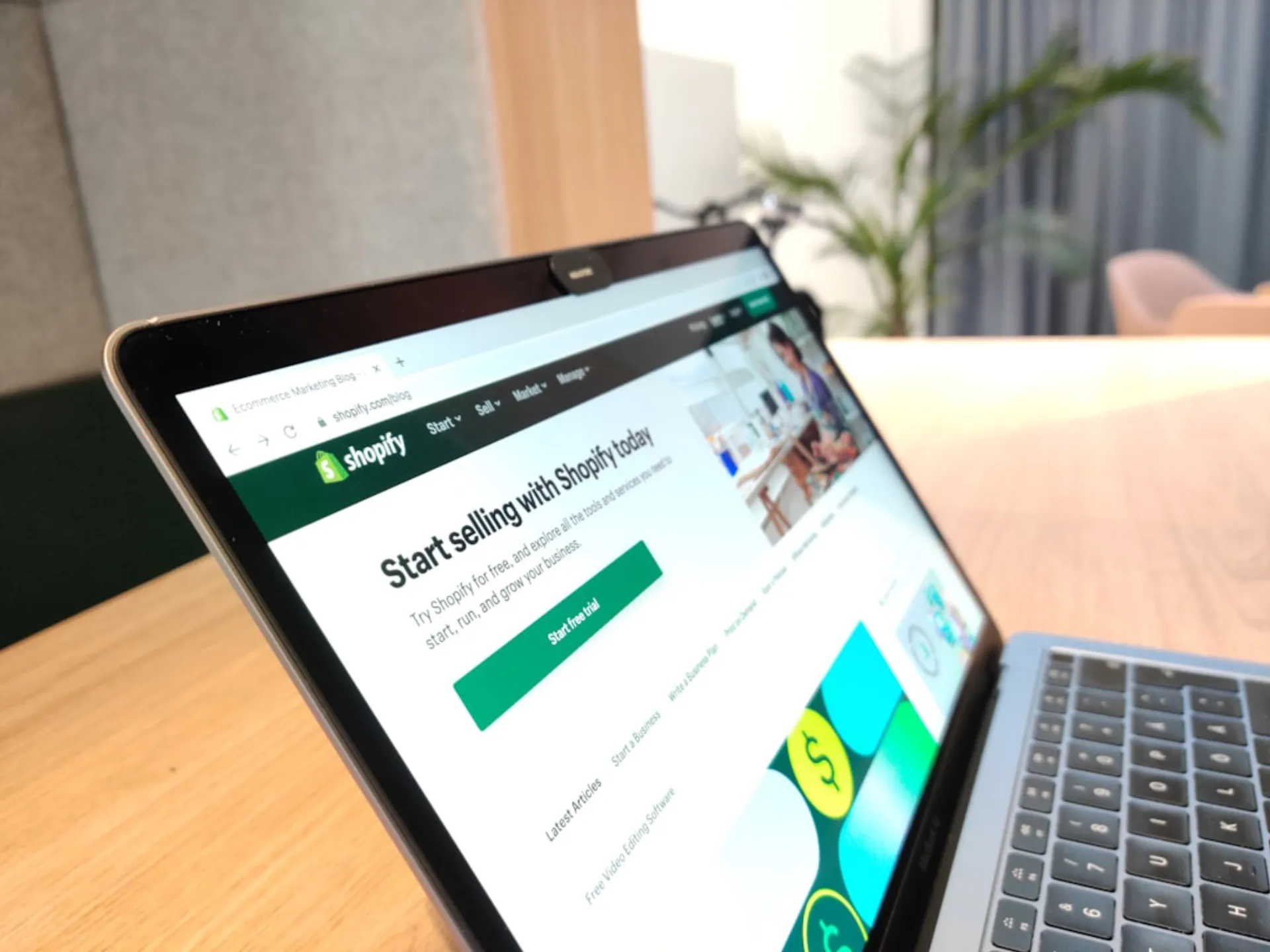
London's e-commerce demand segments into four distinct categories, each with specific technical requirements. D2C fashion and beauty: London is the global hub for online fashion. ASOS (£3.9 billion revenue, headquartered in London), Boohoo Group (PrettyLittleThing, Nasty Gal, Debenhams), Gymshark (Solihull but London commercial operations), Charlotte Tilbury, and thousands of emerging D2C brands create constant demand for high-performance storefronts. These brands need: mobile-first design (78% of UK fashion e-commerce traffic is mobile), fast product filtering and search (Algolia or Typesense — UK fashion shoppers browse 4.2x more product pages per session than the US average), size guide integration with virtual try-on features, user-generated content integration (TikTok Shop, Instagram Shopping), and sophisticated A/B testing for conversion optimisation. Shopify Plus is the dominant platform for high-growth D2C fashion in London, but brands at £10M+ revenue increasingly move to headless architectures (Next.js + Shopify Storefront API or Medusa.js) for performance and customisation. Luxury and premium retail: Selfridges, Harrods, Liberty, Fortnum & Mason, and Net-a-Porter (owned by Richemont) represent a luxury e-commerce segment that requires: immersive product storytelling (not just product grids — editorial content, lookbooks, virtual showrooms), high-touch personalisation (clienteling features, wish lists with personal shopper follow-up), premium packaging and delivery options (same-day delivery in Central London is expected by luxury consumers), and brand protection (counterfeit monitoring, authorised retailer validation). Marketplace development: London hosts a growing cluster of vertical marketplace startups — DEPOP (fashion resale), Trouva (independent boutiques), Lyst (fashion search), and emerging B2B marketplaces in food, construction, and professional services. Marketplace architecture is fundamentally different from single-brand e-commerce: multi-vendor product catalogue management, split payment processing (marketplace collects payment, splits between vendor and platform — requires FCA e-money or payment institution authorisation for UK-based marketplaces), vendor onboarding and verification, and dispute resolution workflows. Subscription and recurring commerce: London hosts subscription pioneers like Graze (snack boxes, acquired by Unilever), Gousto (meal kits, £300M+ revenue), and a proliferation of subscription beauty, coffee, wine, and pet food businesses. These require: subscription management (Recharge, Bold, or custom), smart retry logic for failed payments (failed payment recovery is the #1 churn reducer — recovering 15-25% of would-be churns), flexible billing cycles (weekly, monthly, quarterly — UK consumers prefer monthly), and pause/skip/swap functionality that reduces cancellations.