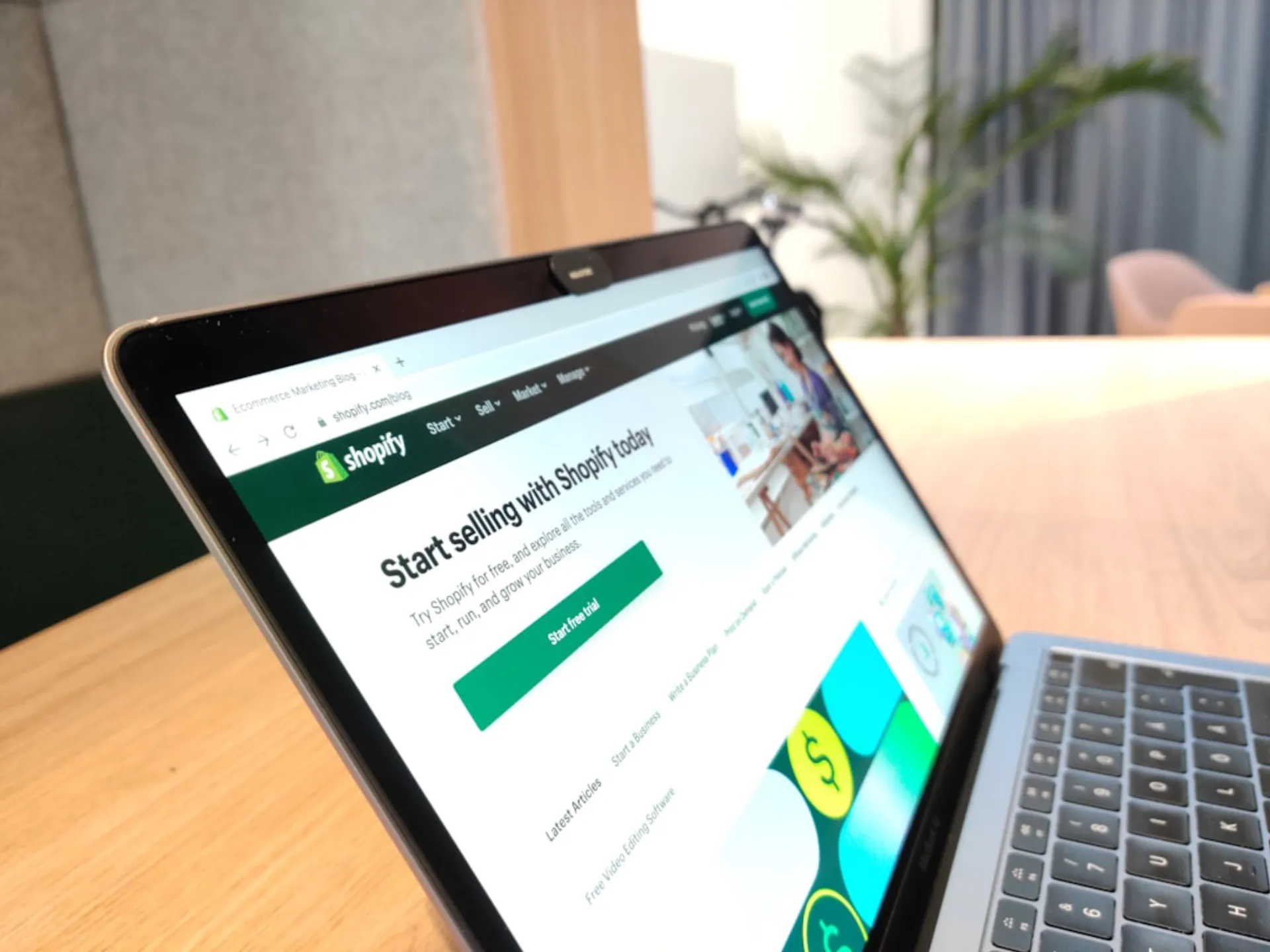
San Francisco's e-commerce demand spans headless and composable commerce, AI-powered retail, sustainability-focused D2C, and enterprise B2B. Headless and composable commerce: the Bay Area leads the headless revolution. Applications: Next.js storefronts (React Server Components, streaming SSR, and edge rendering for sub-second commerce — the performance standard set by Vercel), composable architecture (replacing monolithic platforms with best-of-breed components — headless CMS, headless commerce, headless search, and headless payments assembled into a custom stack), progressive web apps (PWA commerce experiences that perform like native apps — critical for mobile-first Bay Area consumers), and Shopify Hydrogen/Remix (Shopify's headless framework for brands that want Shopify's backend with custom frontend performance). AI-powered retail: San Francisco brands integrate AI throughout commerce. Applications: visual search and discovery (customers photograph products they like and find similar items in the store — powered by computer vision), personalised product recommendations (going beyond "customers also bought" to genuine personalisation — using browsing behaviour, purchase history, and contextual signals to predict what each individual customer wants), AI-powered customer service (LLM-powered chatbots that understand product catalogues, order status, and return policies — handling 80%+ of customer inquiries without human intervention), and dynamic merchandising (AI that optimises product ranking, collection curation, and homepage layout based on real-time performance data). Sustainability-focused D2C: San Francisco consumers are the most sustainability-conscious in the US. Categories: sustainable fashion (Allbirds, Everlane, and dozens of SF-based sustainable fashion brands — commerce that communicates sustainability credentials), clean beauty (non-toxic, sustainable beauty and personal care — a large Bay Area D2C category), sustainable food (plant-based, organic, and regenerative food brands), and circular commerce (resale, rental, and refurbishment — circular business models that require non-traditional commerce flows). Enterprise B2B: the Bay Area's tech companies need B2B commerce. Applications: SaaS marketplace (ISV marketplaces for technology companies), enterprise procurement (procurement portals for Bay Area tech companies — standardised purchasing for office supplies, equipment, and services), and developer commerce (selling APIs, SDKs, and developer tools — a commerce category unique to the Bay Area).