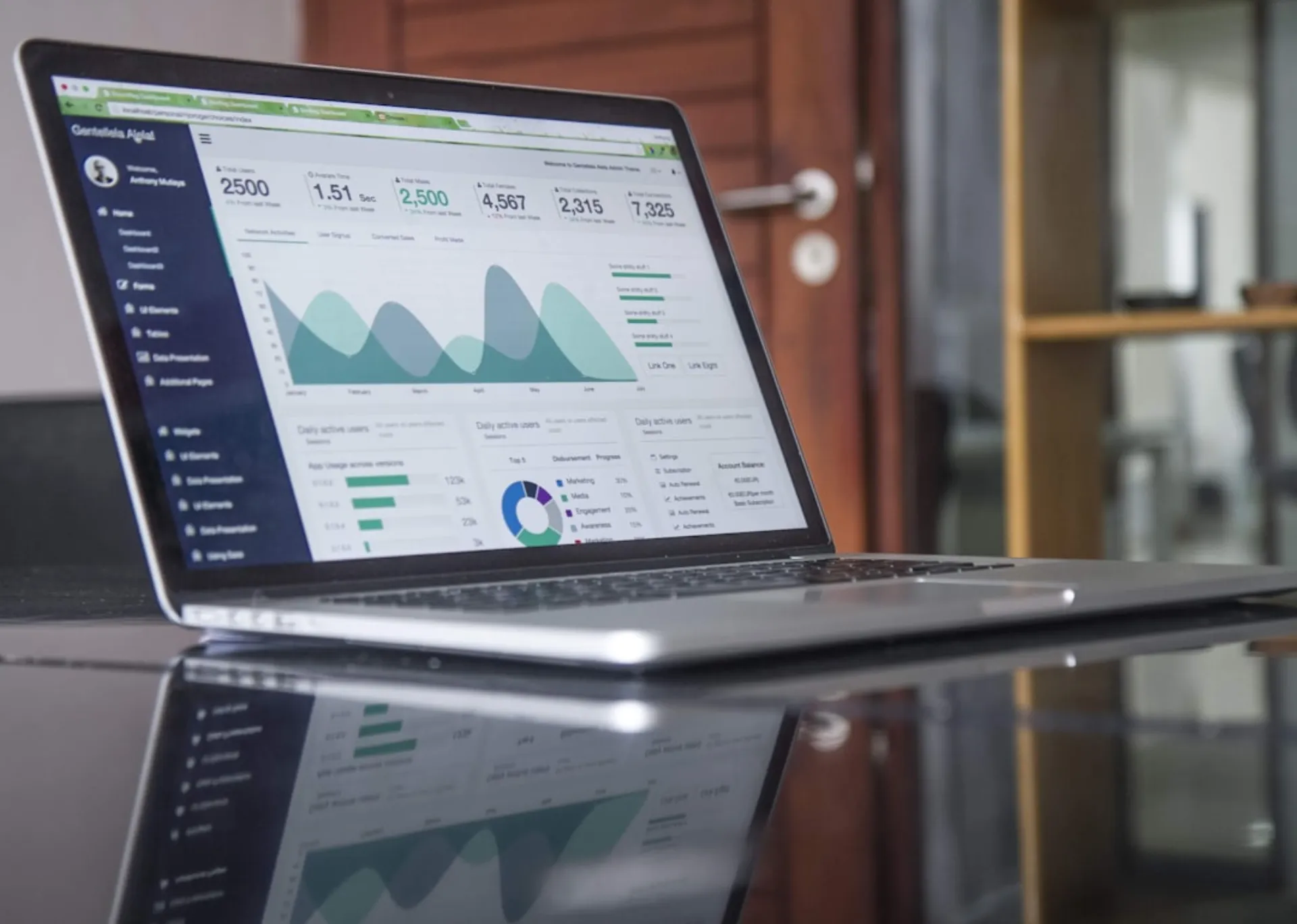
Our headless CMS development methodology for Denver organizations builds content infrastructure that scales across channels and locations while maintaining compliance and consistency. Phase 1 — Content Strategy (2-3 weeks): understanding the content landscape: content audit (inventorying: all existing content — where it lives, how current it is, who manages it, and: how it is structured — Denver organizations typically find: content scattered across: WordPress, Google Docs, email, social media, and: employee knowledge that has never been: formalized), content model design (defining: the content types, attributes, and relationships that structure: the content — for tourism: content types include: destination, activity, event, accommodation, restaurant, and: itinerary — each with: defined attributes and: relationships to other content types — the content model is: the foundation that enables: multi-channel distribution because: well-structured content can be: formatted for any channel), and channel requirements (documenting: every channel that content must reach — and: the specific formatting, performance, and: update frequency requirements of each — website (full content with SEO optimization), mobile app (condensed content with offline capability), social media (channel-specific content with image requirements), email (templated content with personalization), and: partner feeds (structured data in partner-required formats)))). Phase 2 — Platform Selection and Architecture (2-3 weeks): choosing the right platform: CMS platform selection (evaluating: headless CMS platforms for the client's specific needs — Contentful (strong structured content, good API, generous free tier), Sanity (flexible schemas, real-time collaboration, excellent for: complex content models), Strapi (self-hosted, open-source, customizable — preferred when: data sovereignty or cost control is: priority), Payload (TypeScript-native, self-hosted, full customization — ideal for: Denver businesses that want: complete control), and: Keystatic (Git-based, works with existing repos — good for: developer-centric teams) — selection based on: content model complexity, team size, channel count, and: budget), frontend architecture (designing: the presentation layer — Next.js for: website (SSG/ISR for performance, SEO), React Native for: mobile app, and: API consumption for: partner feeds and: kiosk/signage — all consuming: content from the same headless CMS through: the same API), and integration architecture (connecting the CMS to: business systems — POS (for real-time product data), booking engines (for availability-aware content), weather APIs (for conditions-based content), and: analytics (for content performance measurement)))). Phase 3 — Development (6-10 weeks): building the CMS and frontends: CMS implementation (configuring: the headless CMS — content types, fields, validation rules, and: workflows — with: role-based access (content creators, editors, compliance reviewers, publishers) and: environment management (draft, review, published — content moves through: stages before reaching: public channels)), frontend development (building: the content consumption layers — website (Next.js with: ISR for: fresh content with: static performance), mobile app components (content rendering optimized for: mobile), and: content APIs for: partner and third-party consumption), and compliance workflows (for cannabis: building approval workflows where content must pass through: compliance review before: publication to any channel — with: audit trails showing: who created, who reviewed, who approved, and: when the content was published — for tourism: building: review workflows for: accuracy verification of: safety-critical content (trail conditions, weather advisories, closure notices)))). Phase 4 — Migration and Launch (2-3 weeks): transitioning to the new CMS: content migration (moving: existing content from: legacy CMS (WordPress, Drupal, or: various documents) to: the headless CMS — with: content restructuring (fitting existing content into: the new content model), metadata enrichment (adding: structured attributes that the legacy content lacked), and: quality review (verifying: migrated content is: accurate, complete, and: properly structured)), team training (training: content teams on: the new CMS and workflows — focusing on: daily tasks (creating and editing content), compliance workflows (for cannabis), and: multi-channel publishing (understanding: how content flows from CMS to channels)), and soft launch (publishing: through the new CMS to: a subset of channels first — verifying: content displays correctly, APIs perform well, and: workflows function properly before: expanding to all channels)).