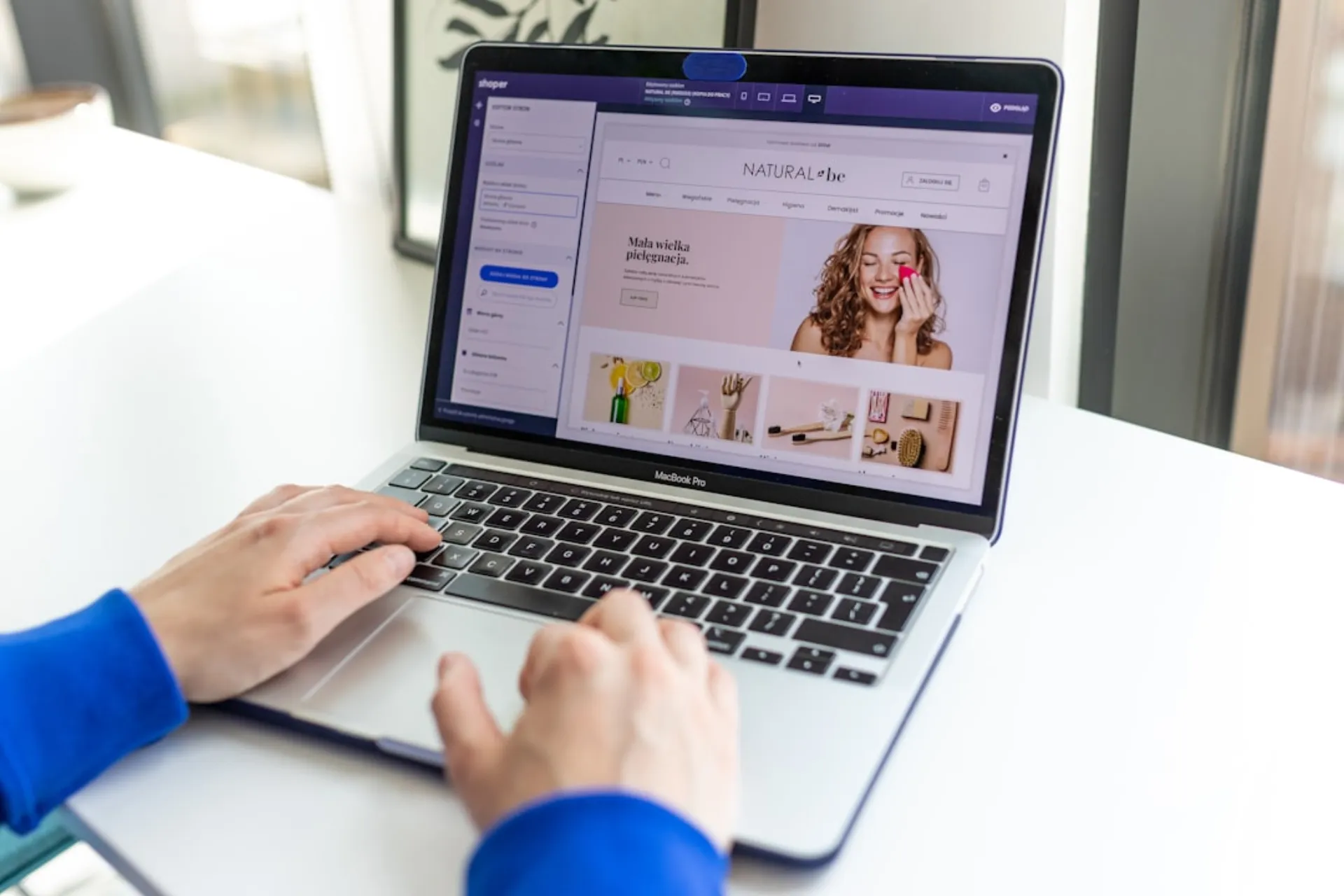
Riyadh's Shopify demand is driven by the convergence of Vision 2030's e-commerce ambitions, a young population that shops mobile-first, and the emergence of distinctly Saudi DTC brands. Fashion is the largest segment: Saudi fashion brands (both modest fashion and contemporary) are launching at unprecedented rates, with Riyadh fashion week establishing the city as a fashion capital. Saudi perfume and oud brands represent a particularly lucrative category — traditional Arabian fragrances are a high-margin, culturally significant product category with strong demand for premium online shopping experiences. These brands need Shopify stores that communicate luxury in Arabic while handling the specific requirements of fragrance e-commerce (restricted shipping for alcohol-based perfumes, gift wrapping, and personalized engraving). Food and beverage: Saudi specialty food brands (dates from Al-Qassim, Saudi coffee, artisan chocolates), restaurant chains expanding into retail (packaged sauces, marinades, spice blends), and health food brands need Shopify stores with SFDA compliance for food labelling and cold-chain shipping integration for perishable products. Beauty and personal care: Saudi beauty brands — including the growing Saudi K-beauty market and traditional Saudi beauty products — need Arabic-first stores with ingredient transparency and subscription capabilities. Electronics and home goods: Saudi retailers competing with Amazon.sa and Noon need Shopify stores with competitive features (fast delivery promises, BNPL options, price matching), integrated with local fulfillment providers (SMSA, Aramex, J&T Express). The SME segment is massive: the Saudi government's support for SMEs (Monsha'at, the Small and Medium Enterprises General Authority, provides grants and support) has catalyzed thousands of new Saudi businesses, many of which choose Shopify for their e-commerce platform. These SMEs need affordable, professionally built Arabic Shopify stores that comply with Saudi regulations from day one.