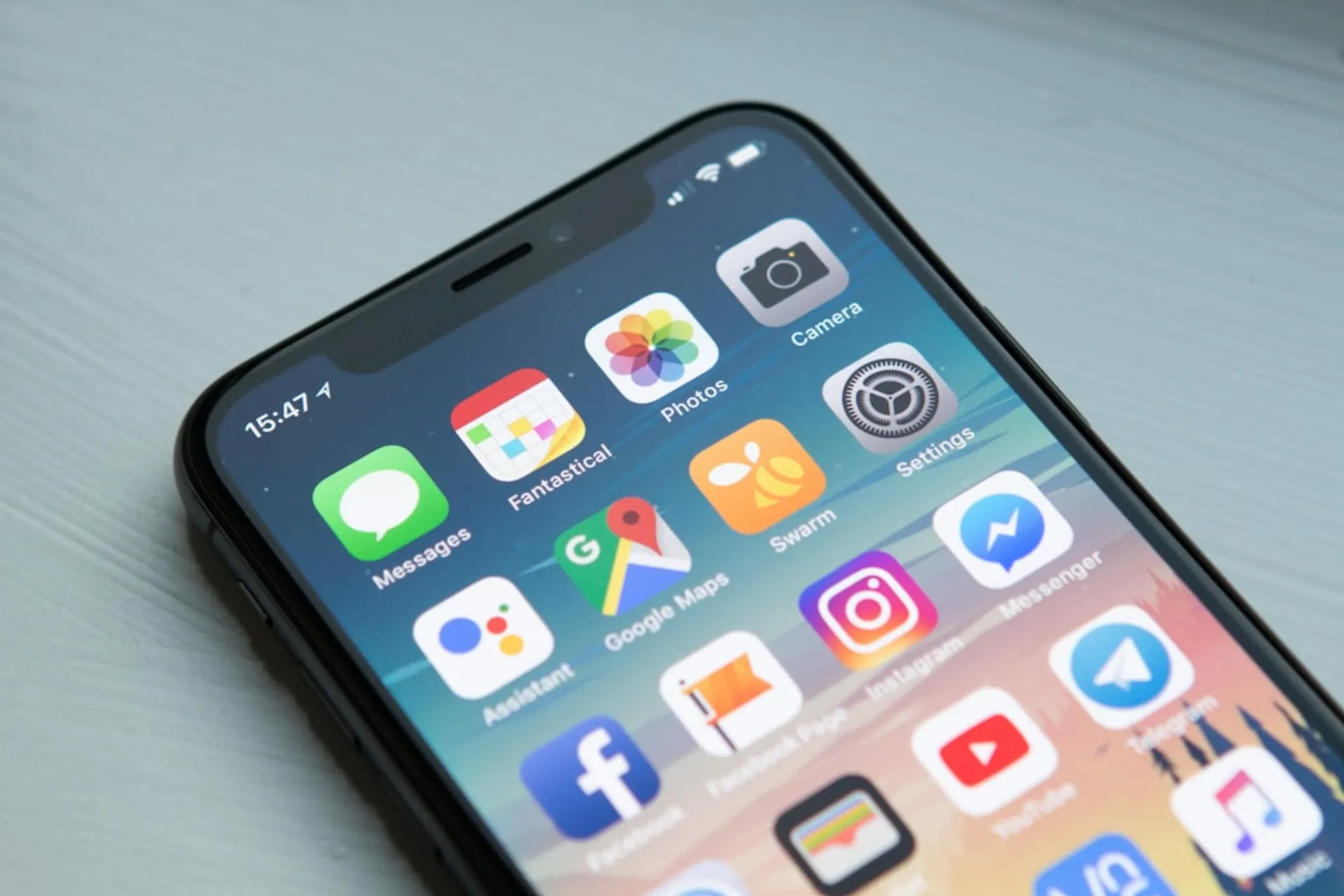
Our Helsinki AI mobile methodology builds EU AI Act-compliant, Finnish-language intelligent mobile apps with privacy-first AI architecture. EU AI Act compliance architecture designs AI features within regulatory requirements: risk classification per feature (each AI feature in the mobile app classified independently: a health symptom checker is high-risk (medical device implications), a restaurant recommendation is minimal risk, a chatbot is limited risk (transparency obligations). The risk classification determining: what documentation, testing, and safeguards are required — designed into the feature specification, not retrofitted), conformity assessment preparation (for high-risk AI features: technical documentation (model architecture, training data, performance metrics), testing documentation (accuracy, robustness, bias testing results), human oversight design (how can users challenge AI decisions?), and: risk management (what happens when the AI is wrong?). This documentation: maintained alongside the codebase, updated with each model version), and transparency implementation (EU AI Act requiring: users know when they're interacting with AI. Mobile app implementation: clear labelling ("Tämä suositus on luotu tekoälyllä" — This recommendation was generated by AI), explanation accessibility (users can tap to see: why the AI made this recommendation), and: opt-out capability (users can disable AI features and: use the app with: manual/traditional functionality)). On-device ML maximises privacy and performance: Core ML and TensorFlow Lite deployment (AI models trained in the cloud but deployed to run on-device: image classification (product recognition, document scanning, plant identification — models compressed to: under 50MB for: practical app size), text classification (Finnish text categorisation, sentiment detection, and: intent recognition — models handling: Finnish morphological complexity on-device), and personalisation (user behaviour models that: learn from user interactions without: sending interaction data to servers)), model optimisation for mobile (AI models optimised for mobile deployment: quantisation (reducing model precision from: 32-bit float to: 8-bit integer — 4x size reduction with: minimal accuracy loss), pruning (removing: model weights that contribute minimally to accuracy — reducing: model size and inference time), and: distillation (training a smaller student model to: mimic a larger teacher model's behaviour — achieving: 90% of the large model's accuracy at: 10% of the size)), and federated learning where appropriate (for AI features that improve from: collective user behaviour (keyboard prediction, recommendation systems): federated learning enabling: model improvement without centralising user data — each user's device training: a local model update, the updates aggregated centrally without: individual user data ever leaving the device — aligning with: Finnish privacy expectations and GDPR requirements)). Finnish language AI builds language-aware mobile features: Finnish NLP pipeline (Finnish tokenisation handling: agglutinative word forms (a single Finnish word potentially conveying: what requires 4-5 English words), compound word decomposition (understanding: "tietokoneohjelma" = "tietokone" + "ohjelma" = computer + program), and: case form analysis (the same noun stem having: 15 different case forms, each with different meaning — "talo" (house), "talon" (of the house), "talossa" (in the house), "talosta" (from the house))), Finnish voice AI (speech recognition and synthesis for Finnish: Finnish phonetics (Finnish being: phonetic — words pronounced as written — making: speech recognition somewhat simpler than English, but: compound words and agglutination creating: vocabulary challenges for: standard speech recognition models), Finnish TTS (text-to-speech with: natural Finnish prosody — Finnish having: fixed stress on the first syllable and: distinctive vowel harmony — TTS must sound: naturally Finnish, not: English TTS reading Finnish words)), and Finnish conversational AI (chatbots and virtual assistants understanding: Finnish conversational patterns — Finnish being: a low-context language where: meaning is explicit in the words (unlike: Japanese or Arabic where: context carries meaning). Finnish conversational style: direct, concise, and: comfortable with silence — the AI should: respond directly without: unnecessary filler, respect: the Finnish communication style of: saying what needs to be said without: excessive politeness padding)). Testing and quality for Finnish AI mobile apps: Finnish user testing (AI features tested with: native Finnish speakers — not just: Finnish language testers but: users representing: Finnish cultural expectations (pragmatic, privacy-conscious, quality-demanding). Testing in Finnish includes: voice AI tested with: different Finnish dialects (Helsinki Finnish vs. Oulu Finnish vs. Turku Finnish — regional variations affecting: speech recognition accuracy), text AI tested with: real Finnish user input (including: colloquial Finnish, abbreviations, and: emoji usage patterns)), AI bias testing for Finnish context (ensuring: AI doesn't discriminate based on: Finnish vs. Swedish-speaking users (Finland being: bilingual — 5% Swedish-speaking), user location (Helsinki vs. rural Finland — AI shouldn't provide: lower quality service to rural users), or: demographic factors. Bias testing: using representative Finnish demographic data and: evaluating: AI performance across population segments), and performance testing on Finnish networks (Finnish mobile networks being: excellent — 5G in cities, strong 4G coverage. But: Finland's geography including: remote areas with weaker coverage. AI mobile features must: perform acceptably on: varying network conditions — on-device AI being: preferred for: this reason — features work regardless of connectivity).