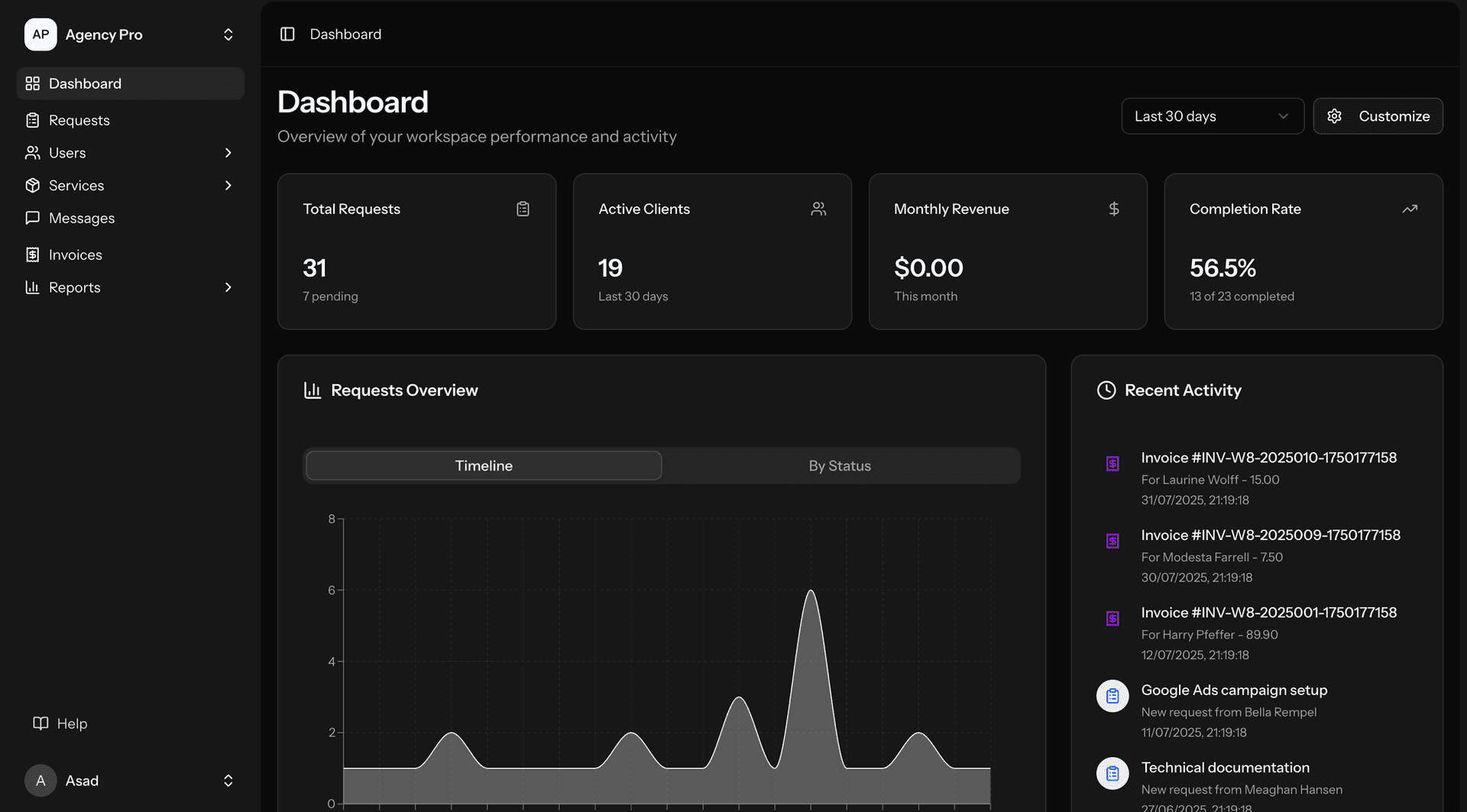
Our Lisbon data analytics projects start with the question "What decisions will this data improve?" — not with tools or technologies. Many data analytics projects fail because they build infrastructure without a clear connection to business decisions. We map: which business decisions are currently made without adequate data, what data would improve those decisions, where that data lives today (and what quality issues exist), and what analytics infrastructure is needed to deliver the right data to the right decision-maker at the right time. Data engineering: most Lisbon enterprises have data but lack the engineering to make it useful. Data lives in: PostgreSQL databases (application data), Excel files (finance and operations), SaaS platforms (CRM, marketing tools, support systems), and legacy systems (mainframe data in Portuguese banks, Oracle databases in energy companies). We build data pipelines using: dbt (data transformation — SQL-based, version-controlled, tested), Airflow (orchestration — scheduling and monitoring data pipelines), Fivetran or Airbyte (data ingestion from SaaS sources), and Snowflake or BigQuery (cloud data warehouse — scalable, cost-effective, and GDPR-ready with EU data residency). Data modeling: we implement dimensional modeling (star/snowflake schemas) that make analytics queries fast and business-friendly. Portuguese-specific: VAT reporting dimensions (IVA — Imposto sobre o Valor Acrescentado, with its specific rate structure: 6%, 13%, 23%), Portuguese geographic hierarchies (distrito, concelho, freguesia), and Portuguese calendar considerations (public holidays, seasonal patterns — August being effectively a non-month for many Portuguese businesses). Business intelligence: we deploy Metabase (open-source, self-hostable for GDPR-sensitive organizations), Looker (for organizations standardized on Google Cloud), or Power BI (for Microsoft-ecosystem organizations). Dashboards designed for the specific user: executives seeing KPI summaries, operations teams seeing real-time metrics, and analysts having self-service access to the data warehouse for ad-hoc queries. Predictive analytics: for mature data organizations, we build predictive models using Python (scikit-learn, XGBoost) for: customer churn prediction, demand forecasting (particularly valuable for tourism and retail), credit risk scoring (for Portuguese banks under ECB supervision), and pricing optimization (dynamic pricing for hotels, e-commerce, and energy markets). GDPR compliance: analytics infrastructure in Portugal must comply with GDPR (enforced by CNPD — Comissão Nacional de Proteção de Dados). We implement: data minimization (only collecting and processing personal data that is necessary), pseudonymization in analytics environments (allowing analysis without exposing personal information), right to erasure (ensuring analytics pipelines can delete individual data when requested), and data residency (EU-based infrastructure — Snowflake EU, BigQuery EU, or self-hosted in Portuguese data centers).