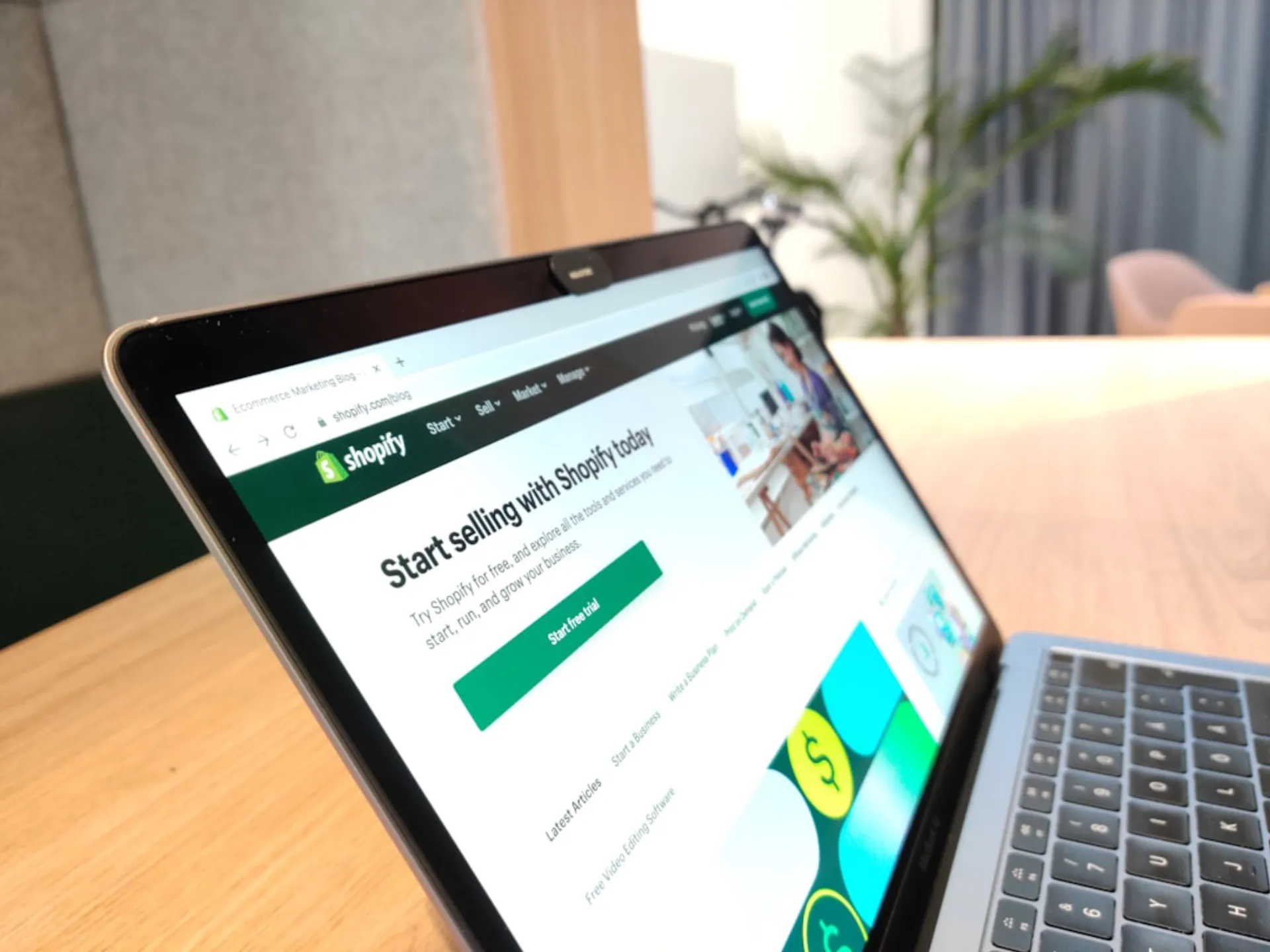
Amsterdam's e-commerce demand spans D2C fashion and lifestyle, food and grocery, marketplace platforms, and cross-border European commerce. D2C fashion and lifestyle: the Netherlands has a thriving D2C scene. Brands like Scotch & Soda, G-Star RAW, Suitsupply, and Rituals (personal care) have built global D2C businesses from Amsterdam. Emerging D2C brands in sustainable fashion, cycling gear, home décor, and design products use Amsterdam as their launch market. E-commerce needs: Shopify Plus or headless commerce (Dutch D2C brands predominantly use Shopify — the Netherlands is one of Shopify's top-5 markets in Europe), visual merchandising (Dutch design aesthetic — clean, minimal, functional — translates to e-commerce: high-quality product photography, thoughtful typography, generous whitespace), size and fit technology (fashion e-commerce return rates in the Netherlands average 30% — sizing AI and fit recommendations reduce returns and improve customer satisfaction), and sustainability features (Dutch consumers are among Europe's most environmentally conscious — eco-score badges, carbon-neutral shipping options, circular commerce features like resale and repair programmes). Food and grocery: online grocery in the Netherlands is Europe's most penetrated market. Albert Heijn (the largest Dutch supermarket, owned by Ahold Delhaize) does 10%+ of revenue online, Picnic (delivery-only grocer, €1 billion+ revenue) has disrupted the market, and specialty food e-commerce (organic, international cuisines, meal kits) is growing rapidly. E-commerce needs: cold chain integration (real-time temperature monitoring, time-slot delivery), subscription management (weekly recurring orders with modification), and recipe/meal planning integration (linking e-commerce to meal planning to drive basket size). Marketplace platforms: the Netherlands hosts successful marketplace operators — Bol.com (the "Amazon of the Netherlands" with €6 billion GMV, recently acquired by Ahold Delhaize), Marktplaats (classified marketplace, acquired by eBay), and vertical marketplaces in fashion, home, and B2B. Marketplace platform needs: multi-vendor management (onboarding, product catalog management, commission structures), payment splitting (distributing payment between platform and sellers — Adyen and Stripe Connect handle this), search and discovery (product search across millions of SKUs from different sellers with varying data quality), and logistics orchestration (coordinating fulfilment from multiple sellers with consistent delivery promise). Cross-border European commerce: Amsterdam-based brands expanding across Europe need: multi-storefront architecture (Netherlands, Germany, Belgium, France, UK — each with localised content, payment methods, and logistics), EU VAT compliance (different VAT rates per country — 21% Netherlands, 19% Germany, 21% Belgium, 20% France, 20% UK — with the One-Stop-Shop (OSS) mechanism for simplified cross-border VAT), multilingual content (Dutch, English, German, French — not machine-translated but locally adapted), and per-market payment methods (iDEAL for NL, Sofort/Klarna/invoice for DE, Bancontact for BE, Carte Bancaire/Alma for FR, various for UK).