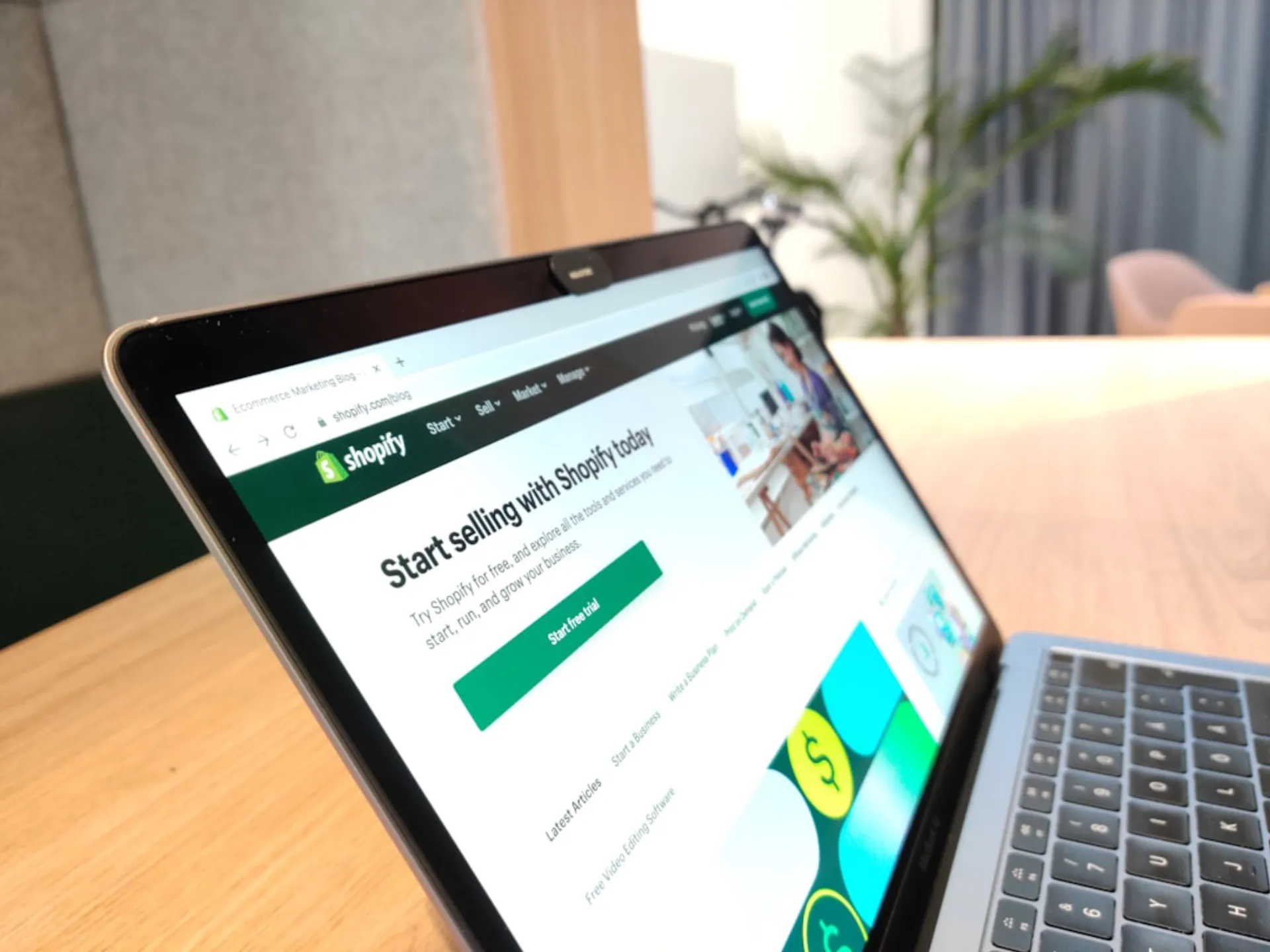
Our Helsinki eCommerce development follows a methodology designed for Finnish market success: (1) Strategy (week 1): defining the eCommerce approach. Market analysis: understanding the competitive landscape in the Finnish market — who the competitors are, what eCommerce platforms they use, their pricing strategies, and their customer experience. Finnish eCommerce: a relatively small market where competitors are well-known — understanding their strengths and weaknesses informing strategic decisions. Platform selection: choosing the right eCommerce platform. Shopify (our default recommendation for most Helsinki eCommerce projects — strong ecosystem, reliable hosting, and good Finnish payment integration through Shopify Payments and Paytrail app. Limitations: Finnish language support requires theme customisation, and some Finnish-specific features need app or custom development), WooCommerce (WordPress-based — flexible and cost-effective for businesses already on WordPress. Finnish: well-supported through Finnish developer community. Limitations: hosting management required, performance can suffer at scale), custom headless (Next.js frontend with Shopify, Medusa, or custom backend — for businesses requiring unique user experiences or complex functionality beyond platform capability. Higher development cost but maximum flexibility), and Magento/Adobe Commerce (for large B2B and complex B2C — strongest for complex catalogue management and B2B pricing. Finnish: reasonable support. Limitations: expensive, complex, and requires ongoing specialist maintenance). Finnish-specific: the platform must support Finnish payment methods (Paytrail/Checkout Finland integration), Finnish ALV calculation (25.5%/14%/10%), Posti logistics integration, and Finnish language content management. (2) Design (weeks 1-3): creating the shopping experience. Finnish UX design: Finnish consumers: appreciating clean, efficient design — function over decoration. Finnish eCommerce UX: fast loading (Finnish broadband is excellent — consumers notice slow sites), efficient navigation (categories and search that get shoppers to products quickly), comprehensive product information (Finnish consumers: researching thoroughly before purchasing — product pages must provide detailed specifications, materials, sizing guides, and high-quality images), and trust signals (Finnish trust: built through transparency — clear pricing, visible ALV, straightforward return policy, and genuine customer reviews). Mobile design: 65%+ of Finnish eCommerce traffic on mobile — mobile experience must be primary, not adapted from desktop. Finnish mobile: high-end smartphones (iPhone and Samsung flagship dominant) — but designing for one-handed use, fast thumb navigation, and seamless mobile payment (Apple Pay, Google Pay, MobilePay). Accessibility: WCAG 2.1 AA compliant design — colour contrast, keyboard navigation, screen reader compatibility, and text alternatives for images. Finnish accessibility requirements: increasingly enforced and culturally valued — accessibility as quality, not compliance checkbox. (3) Development (weeks 2-6): building the store. Shopify development (our primary Helsinki eCommerce stack): theme development (custom Shopify theme using Liquid — branded design, Finnish language, and optimised performance. Or headless: Next.js frontend consuming Shopify Storefront API for maximum performance and design flexibility), Finnish payment integration (Paytrail or Checkout Finland — providing Finnish bank payments, card payments, MobilePay, and Klarna through a single integration. Apple Pay and Google Pay: through Shopify Payments), Posti integration (shipping rate calculation based on package dimensions and delivery method, automatic tracking number population, and delivery notification emails in Finnish), product catalogue (structured product data — Finnish and English product names and descriptions, variant management, inventory tracking, and potentially B2B pricing for wholesale customers), and Klarna integration (Klarna checkout or Klarna payments — "pay later" option that Finnish consumers expect for fashion and higher-value purchases). Custom development: Finnish accounting integration (Netvisor, Procountor, or Visma — automated order and invoice data flowing from eCommerce to accounting. Finnish eCommerce: accounting integration reducing manual data entry and ensuring ALV reporting accuracy), Finnish ERP integration (for businesses with existing ERP systems — inventory, pricing, and customer data synchronised between ERP and eCommerce), and Finnish invoicing (Finvoice — Finnish electronic invoicing standard. B2B eCommerce: providing Finvoice-compliant invoices to business customers). Content: product descriptions and marketing content written in native Finnish — not translated from English. Finnish product copywriting: precise, informative, and concise (Finnish consumers: preferring factual product information over marketing hyperbole). SEO content: targeting Finnish search queries — "naisten talvitakki" (women's winter coat) has different search volume and competition than "women's winter coat," and the content must be written for Finnish search intent. (4) Testing (weeks 5-6): ensuring quality. Functional testing: every eCommerce function tested — product browsing, search, add to cart, checkout, payment (all methods), shipping calculation, order confirmation, and account management. Finnish-specific testing: ALV calculation (correct rate applied by product category), Finnish bank payment flow (completing payment through each Finnish bank's interface), Posti shipping rate accuracy, Finnish address validation, and Finnish-language email templates (order confirmation, shipping notification, return instructions). Performance testing: page load times (target: under 2 seconds for product pages on mobile), checkout speed (fast checkout reduces abandonment — target: under 30 seconds from cart to payment), and search performance (product search returning results within 500ms). Cross-browser testing: Chrome, Safari, Firefox on desktop and mobile — iOS Safari being particularly important (iPhone dominant in Finland's smartphone market). Payment testing: end-to-end payment testing with each payment method — Finnish bank payments (Nordea, OP, Danske Bank, S-Pankki, Handelsbanken), card payments, MobilePay, Klarna, and Apple Pay. Each method tested through the complete flow: selection → authentication → payment → confirmation → refund. (5) Launch and growth (week 6+): going live and growing. Launch: DNS transition, SSL verification, payment provider live activation, and Posti production API connection. Post-launch monitoring: order monitoring (first 24-48 hours — verifying orders flow correctly through payment, fulfilment, and notification), performance monitoring (site speed under real traffic), and payment monitoring (all payment methods functioning in production). SEO: Finnish SEO optimisation — Google Search Console configured for fi-FI, XML sitemap submitted, structured data (Product, BreadcrumbList, FAQs) implemented, and Finnish keyword targeting monitored. Marketing integration: Google Analytics 4 (configured for Finnish cookie consent requirements), Meta Pixel (with consent management), and Klaviyo or Mailchimp (for email marketing in Finnish — welcome series, abandoned cart, and post-purchase follow-up).