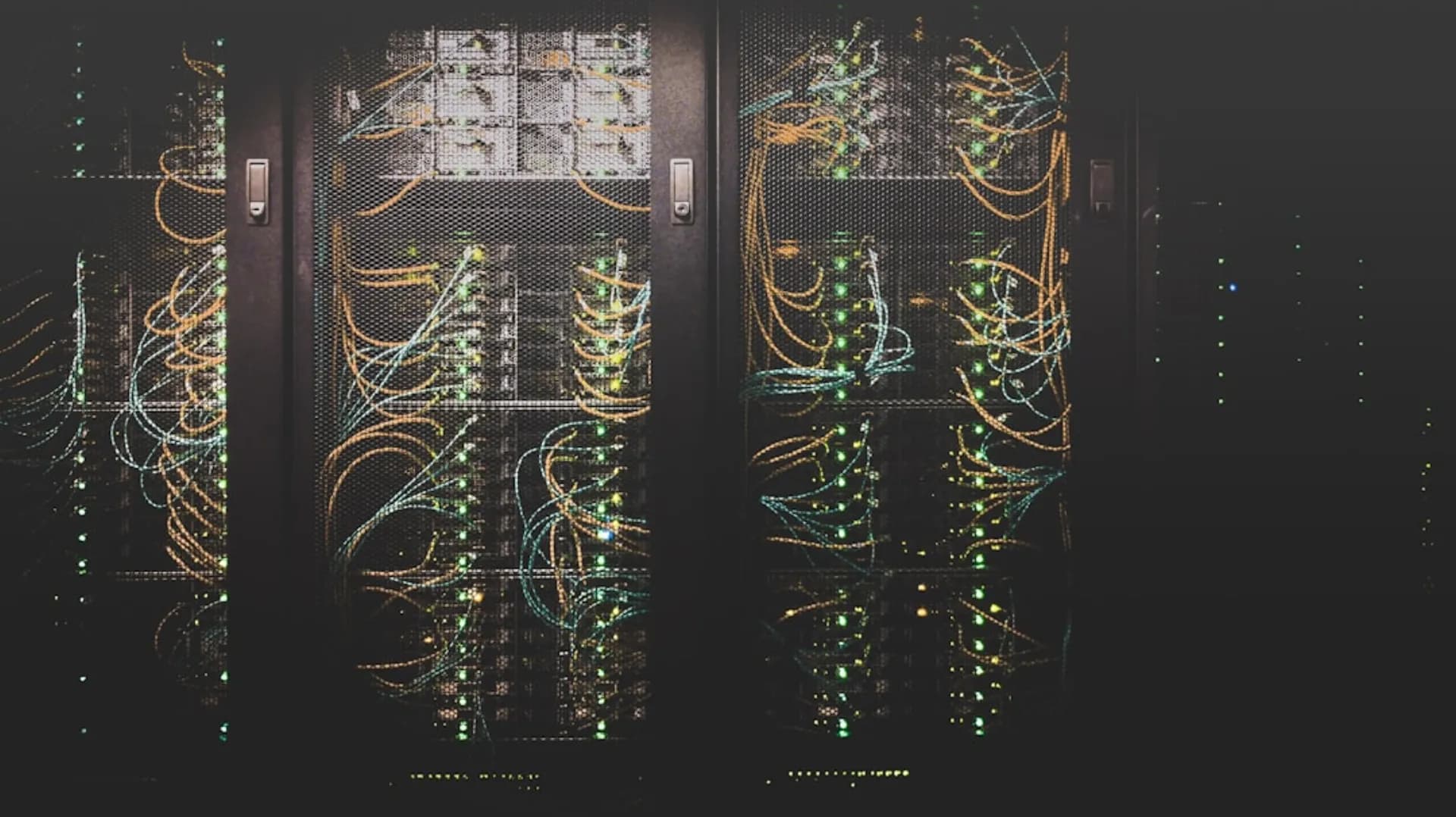
Atlanta's self-hosted AI demand spans payments, healthcare, government, and banking. Payment self-hosted AI: PCI-compliant AI infrastructure. Deployment requirements: cardholder data environment AI (AI models deployed within the cardholder data environment — fraud detection, transaction analytics, and merchant intelligence running on infrastructure that is already PCI-scoped. The deployment: AI processing payment data without expanding the PCI boundary to include external API providers), model serving infrastructure (GPU-equipped servers or private cloud instances running AI model inference — transaction scoring, risk evaluation, and compliance analysis executing within the processor's infrastructure. The infrastructure: adequate compute for real-time AI inference at payment processing speeds), and model update pipeline (processes for updating AI models without external connectivity — model training occurring in separate environments with sanitised data, trained models transferred to production through secure channels. The pipeline: keeping models current while maintaining the isolation that PCI compliance requires). Healthcare self-hosted AI: HIPAA-boundary AI operations. Deployment requirements: clinical AI within EMR infrastructure (AI models deployed within the healthcare organisation's data centre or private cloud — clinical NLP, coding assistance, and decision support running alongside EMR systems. The deployment: clinical AI accessing patient data through the same infrastructure that hosts the EMR), de-identification processing (AI systems that must process identifiable patient data running within HIPAA-compliant infrastructure — de-identification, clinical entity extraction, and quality measurement operating on PHI without external transmission. The processing: enabling AI on sensitive data that cannot be anonymised before processing), and BAA-free deployment (self-hosted AI eliminating the need for Business Associate Agreements with AI providers — the organisation controlling all data processing without third-party involvement. The deployment: simplifying compliance while expanding AI capability). Government self-hosted AI: classified and sensitive data. Deployment requirements: air-gapped deployment (AI models deployed on infrastructure with no internet connectivity — operating within SCIFs, classified networks, or isolated government systems. The deployment: AI capability within the most restricted environments), FedRAMP alternative (self-hosted AI providing AI capability without requiring cloud AI providers to achieve FedRAMP authorisation — enabling government organisations to use AI without waiting for provider compliance. The deployment: AI available today rather than when commercial providers complete government certifications), and ITAR compliance (AI processing technical data controlled under ITAR — requiring US-person-only access and US-based infrastructure. The deployment: ensuring ITAR compliance for AI processing of defence-related technical data). Financial institution self-hosted AI: examiner-acceptable AI. Deployment requirements: on-premise model serving (AI models running in the bank's data centre — customer analytics, risk scoring, and compliance monitoring operating on infrastructure the bank owns and controls. The deployment: satisfying examiner expectations about data custody), vendor risk avoidance (self-hosted AI eliminating the third-party vendor risk assessment requirements that external AI APIs trigger — no vendor due diligence, no ongoing monitoring, and no concentration risk from depending on an external AI provider. The avoidance: reducing the compliance overhead that accompanies third-party AI services), and model governance (self-hosted deployment enabling complete model governance — the organisation controlling model versions, training data, and inference behaviour without depending on provider decisions about model updates. The governance: maintaining the explainability and consistency that financial regulators expect).