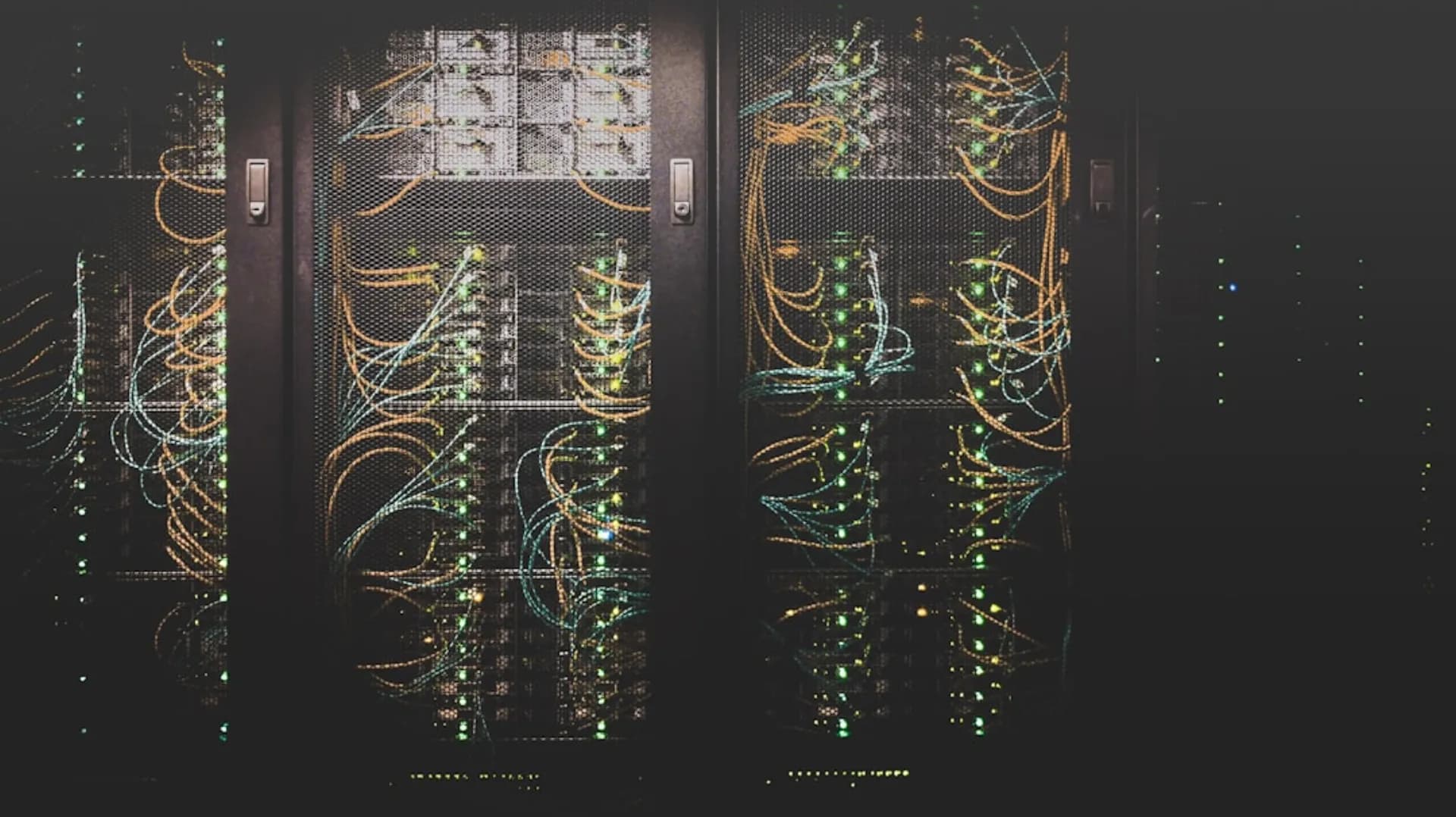
Our self-hosted AI deployment methodology for Los Angeles provides full AI capability within the organization's infrastructure perimeter. Phase 1 — Infrastructure Assessment (1-2 weeks): evaluating the organization's readiness for self-hosted AI: compute inventory (assessing existing compute infrastructure — available GPU resources (type, quantity, VRAM), CPU capacity, storage capacity and speed, and network bandwidth — for healthcare: many hospitals have limited GPU infrastructure — historically, GPU workloads (medical imaging, genomic analysis) have been handled by specialized appliances rather than general-purpose GPU servers — self-hosted AI may require GPU infrastructure investment), security environment assessment (evaluating the existing security infrastructure — network architecture (segmentation, air gaps, DMZ), identity management (Active Directory, CAC, MFA), encryption (at rest, in transit), audit logging, and compliance certifications (HIPAA, FedRAMP, CMMC, SOC 2) — for defense: the assessment determines which classified environment the AI will operate in — Unclassified, CUI, Secret, or Top Secret — each with different infrastructure requirements), model requirements analysis (determining which AI models the organization needs — LLM for text processing (what size model is required? Smaller models run on fewer GPUs but have lower capability. Larger models require more infrastructure but handle more complex tasks), computer vision models for image analysis, and specialized models for domain-specific tasks — model requirements drive hardware specifications — a 70B parameter LLM requires 4x A100 80GB GPUs or equivalent for inference), and cost-benefit analysis (comparing self-hosted costs (infrastructure, operations, energy) against cloud AI costs — self-hosted AI has higher upfront costs but lower per-query costs at scale — for organizations processing millions of AI queries annually, self-hosted is often less expensive than cloud API pricing — the cost-benefit analysis determines whether self-hosted is economically justified in addition to being security-required)). Phase 2 — Infrastructure Deployment (2-4 weeks): building the AI compute infrastructure: hardware procurement and installation (specifying and deploying GPU servers — for most LA deployments: NVIDIA A100 or H100 GPU servers with high-bandwidth NVLink interconnects — server configuration depends on model size and throughput requirements — for healthcare: GPU servers are typically installed in the health system's existing data center, connected to the clinical data environment — for defense: GPU servers may require TEMPEST-certified enclosures and installation in SCIFs — for entertainment: GPU servers integrate with existing render farm infrastructure), model deployment (deploying selected AI models on the infrastructure — LLM deployment using inference frameworks (vLLM, TGI, Ollama) that optimize GPU utilization and support concurrent users — model quantization (reducing model precision from FP16 to INT8 or INT4) when GPU resources are limited — trading marginal quality reduction for 2-4x throughput improvement — for healthcare: deploying medical-specific models (clinical NLP, medical imaging) alongside general-purpose LLMs — for defense: deploying models evaluated and approved for the target classification environment), and API layer (building an API gateway that provides a consistent interface for applications to access self-hosted AI — the API layer provides authentication, rate limiting, usage tracking, and audit logging — the API mimics the interface of cloud AI providers (OpenAI-compatible API) so that applications can switch between cloud and self-hosted AI without code changes — for defense: the API layer enforces classification controls, ensuring that queries and responses are handled at the appropriate classification level)). Phase 3 — Application Integration (3-6 weeks): connecting self-hosted AI to business applications: EHR integration (for healthcare: integrating self-hosted AI with the health system's electronic health record — Epic, Cerner, or other EHR systems — through native integration points (Epic's CDS Hooks for clinical decision support, SMART on FHIR for EHR-embedded applications) — AI capabilities appear within the clinician's existing workflow — clinical NLP processes notes as they are documented, medical imaging AI provides analysis within the PACS viewer, and decision support recommendations appear in the EHR — the clinician doesn't interact with a separate AI system — AI is embedded in their existing tools), engineering tool integration (for defense: integrating self-hosted AI with engineering tools — CAD systems (CATIA, NX, Solidworks), PLM systems (Teamcenter, Windchill), and document management systems — engineers access AI capabilities from within their existing tools — a query from within the PLM system retrieves relevant technical documents without the engineer leaving the PLM environment), content workflow integration (for entertainment: integrating self-hosted AI with content management systems, digital asset management, and production tools — script analysis integrates with development tracking systems, VFX AI integrates with render pipeline tools, and content recommendation integrates with programming dashboards), and custom application development (building custom applications that leverage self-hosted AI for specific use cases — dashboards, analysis tools, and workflow applications that connect to the self-hosted AI API — for all LA deployments: custom applications provide the user experience layer that makes AI capabilities accessible to non-technical users)). Phase 4 — Operations and Optimization (ongoing): maintaining and improving self-hosted AI: monitoring and performance management (monitoring GPU utilization, inference latency, throughput, and error rates — optimizing model performance through batch processing configuration, caching strategies, and load balancing across multiple GPU servers — for healthcare: monitoring includes clinical safety metrics — tracking AI recommendation accuracy and flagging degradation that could affect patient care), model updates (updating models as new versions become available — self-hosted models don't automatically update like cloud services — we implement a model evaluation pipeline that tests new model versions against the organization's specific use cases before deployment — for defense: model updates require security review and approval before deployment in classified environments), capacity planning (projecting future AI compute needs based on usage trends — planning infrastructure expansion before demand exceeds capacity — for healthcare: capacity planning accounts for new AI use cases (each new clinical AI application adds GPU demand) and organizational growth — for entertainment: capacity planning accounts for production cycles — VFX processing demand spikes during post-production periods for major releases), and cost optimization (optimizing the cost of self-hosted AI operations — energy costs (GPU servers consume significant power — 5-10 kW per server), cooling costs, and maintenance costs — strategies include workload scheduling (running batch processing during off-peak hours when energy costs are lower), model optimization (using smaller, more efficient models for simpler tasks), and infrastructure sharing (allowing multiple departments to share GPU infrastructure through resource scheduling))).