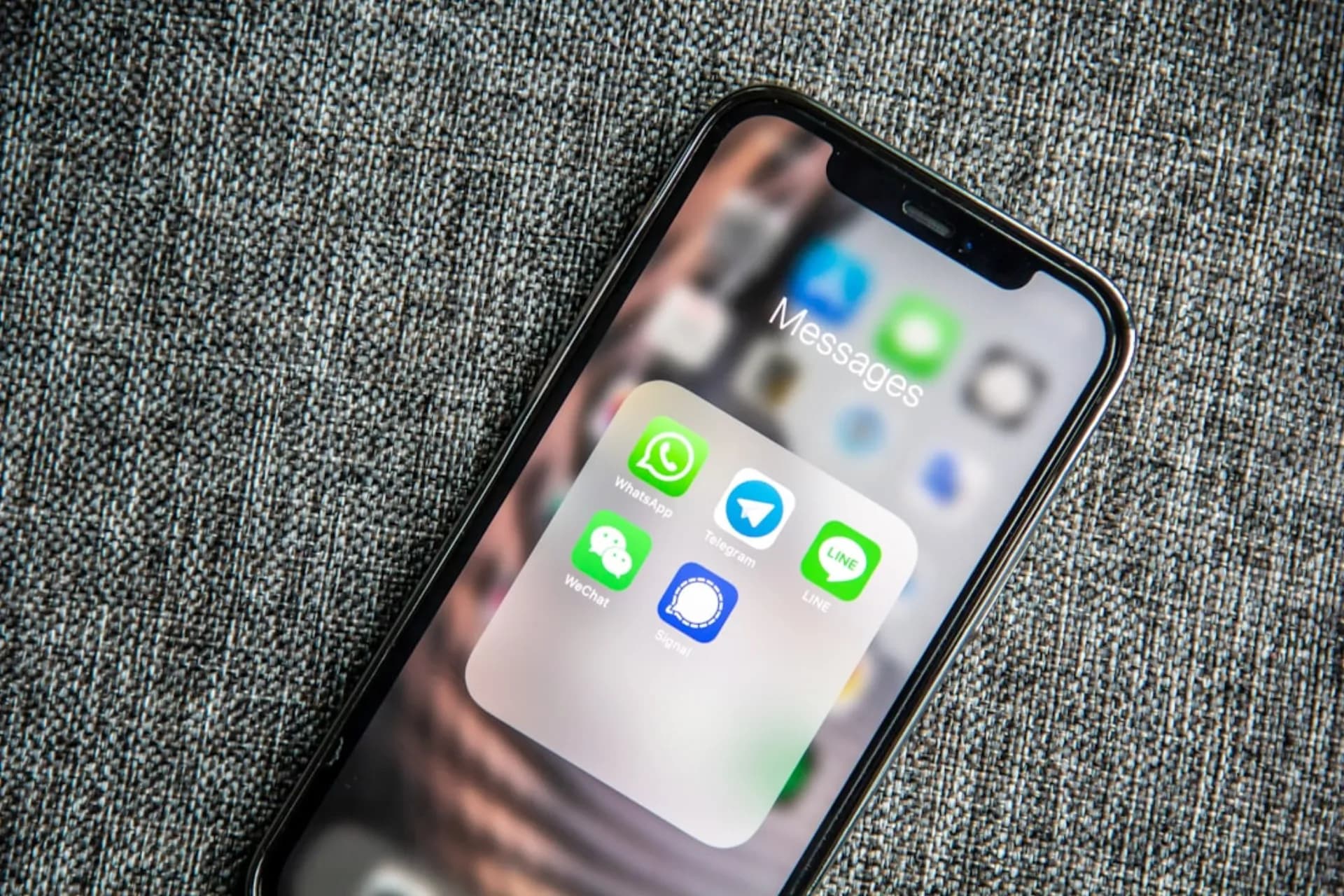
Our WhatsApp API development for Washington DC delivers scalable, compliant messaging systems designed for international organizations communicating across languages, time zones, and connectivity constraints.
Phase 1 — Communication Strategy and API Setup (2-4 weeks): establishing the WhatsApp channel: WhatsApp Business API provisioning (setting up the organizational WhatsApp presence — for DC: API setup includes: business verification (completing Meta's business verification process — which for international organizations and government-adjacent entities may require: organizational documentation, authorized representative verification, and use case approval — the verification process ensures the organization can access the full API capabilities including: high-volume messaging, template message approval, and multiple phone number management), phone number strategy (determining how many WhatsApp numbers the organization needs and how they're organized: country-specific numbers (using local numbers in each country of operation — local numbers increase trust and response rates and may be required by some countries' regulations), program-specific numbers (separate numbers for different programs — health, agriculture, education — enabling: specialized automated responses, targeted messaging, and program-specific analytics), and language-specific routing (routing incoming messages to agents who speak the sender's language — critical for organizations operating across dozens of language communities)))).
Phase 2 — Platform Development and Integration (6-12 weeks): building the WhatsApp communication system: message automation (building automated messaging workflows — for DC: automation includes: template message development (creating and submitting template messages for Meta approval — WhatsApp requires pre-approval for proactive messages: notification templates (appointment reminders, payment notifications, status updates — each template including: approved message text with variable placeholders, language variants for each country of operation, and media attachments where applicable), informational templates (program information, health guidance, agricultural advisories — designed for: clarity in translation, comprehension by audiences with limited literacy, and cultural appropriateness across operating contexts), and interactive templates (messages with buttons or list menus that guide recipients through structured interactions — "Reply 1 for English, 2 for French, 3 for Swahili" — reducing the free-text responses that are harder to process automatically)), chatbot development (building automated conversation flows: program enrollment (guiding new beneficiaries through program registration via WhatsApp — collecting: name, location, program eligibility information, and consent — through a conversational flow that works in multiple languages and accommodates recipients who respond slowly, make errors, or abandon and restart conversations), FAQ handling (automated responses to common questions — program eligibility, payment schedules, office locations, and process explanations — reducing the burden on field staff who currently answer the same questions hundreds of times), and feedback collection (structured feedback surveys delivered through WhatsApp — rating scales, multiple choice, and short text responses — designed for: high completion rates, multilingual delivery, and integration with monitoring and evaluation systems)), and integration development (connecting WhatsApp to organizational systems: CRM integration (connecting WhatsApp conversations to the organization's beneficiary management system — creating unified records that include: demographic information, program enrollment, service delivery records, and communication history — enabling: personalized messaging based on beneficiary profile and targeted communications based on program participation), program management integration (connecting WhatsApp to the organization's program tracking systems — reporting: message delivery rates, response rates, survey completion rates, and engagement metrics — by country, program, and beneficiary segment), and analytics dashboard (building dashboards that show: message volume and delivery rates across countries, chatbot completion rates, common questions and topics, and sentiment analysis from free-text responses — enabling program managers to: monitor communication effectiveness, identify emerging issues, and optimize messaging strategies))))).
Phase 3 — Deployment and Scaling (2-4 weeks): launching across operating countries: phased deployment (rolling out WhatsApp communications country by country — for DC: deployment includes: country-specific configuration (configuring each country deployment with: local phone number, local language templates, country-specific chatbot flows, and compliance with local telecommunications and data protection regulations), field team training (training in-country staff to: manage WhatsApp interactions that require human response, escalate issues appropriately, and maintain the quality and tone of organizational communications through WhatsApp), and monitoring and optimization (tracking deployment metrics: message delivery rates (identifying countries or regions where delivery is problematic — potentially due to: carrier issues, number blocking, or user opt-out), engagement rates (measuring: response rates, chatbot completion rates, and action rates — identifying which message types and formats perform best in each country), and issue detection (monitoring for: spam complaints, message blocking, and quality rating declines — WhatsApp's quality rating system can restrict messaging capabilities if too many recipients report messages as spam — maintaining high quality ratings requires: relevant messaging, appropriate frequency, and clear opt-out mechanisms))).