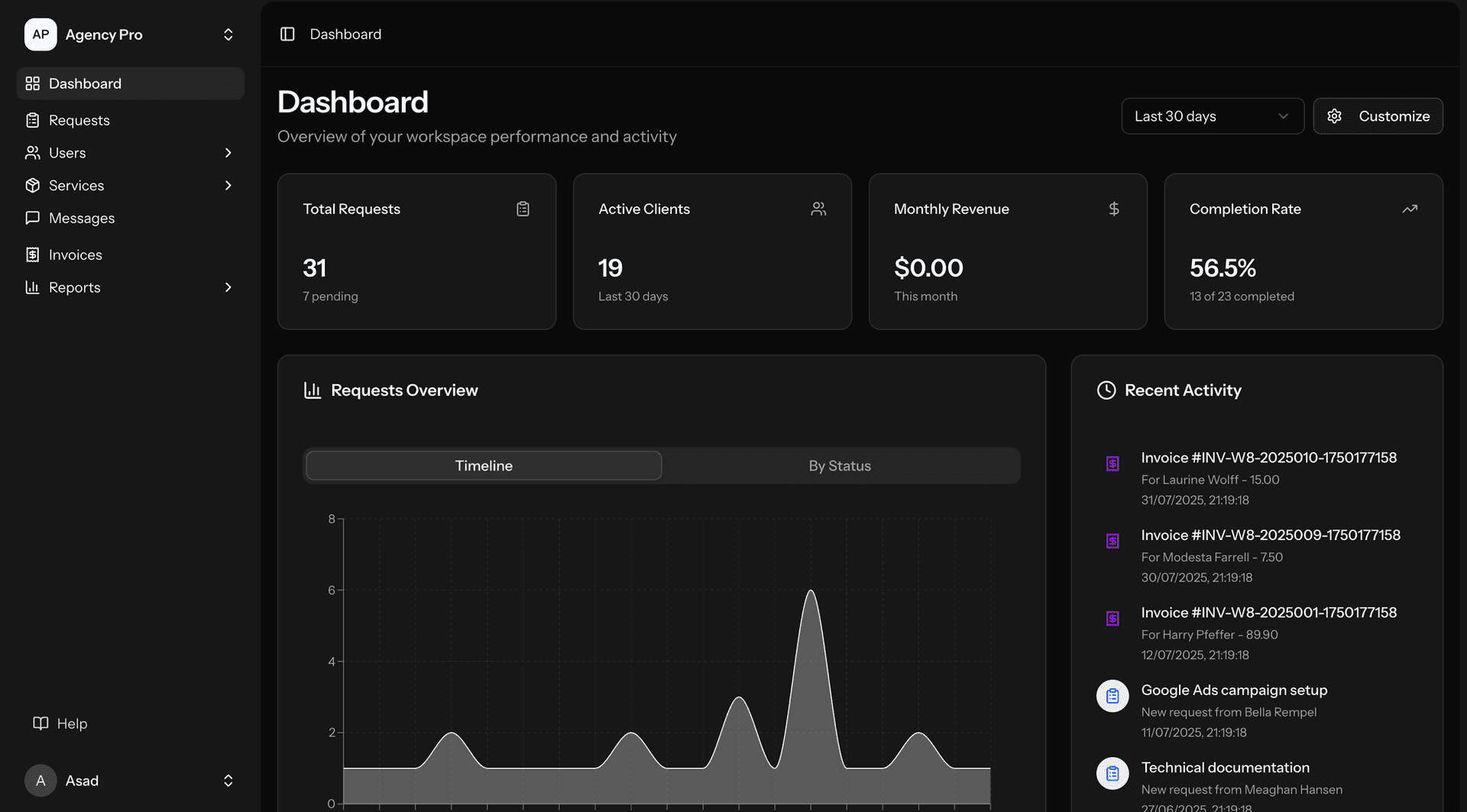
Our Berlin data analytics follows a methodology designed for German business requirements: (1) Data assessment (weeks 1-2): understanding your data landscape. Data audit: cataloguing all data sources — ERP (SAP, Microsoft Dynamics), CRM (Salesforce, HubSpot), production systems (MES, SCADA), web analytics, and departmental databases and spreadsheets. German assessment: identifying German-specific data characteristics — SAP table structures, German date/number formats, and GDPR classification (personal data, special category data, and anonymous data). Data quality: assessing data quality across sources — completeness, accuracy, consistency, and timeliness. German data: often high quality at the individual system level but inconsistent across systems (different definitions, different update frequencies). Analytics requirements: defining what business questions the analytics must answer — not "what dashboards do you want?" but "what decisions would you make differently with better data?" German prioritisation: focusing on analytics with clear business impact — Mittelstand CFOs and manufacturing directors wanting concrete value, not data science experiments. (2) Data architecture (weeks 2-3): designing the analytics infrastructure. Data warehouse: designing the central analytics data store. Technology: Snowflake (cloud-native, strong German adoption), BigQuery (strong ML integration), Databricks (unified analytics and ML), or PostgreSQL (for smaller, cost-conscious implementations). German hosting: EU-hosted data warehouse — Snowflake EU (Frankfurt), BigQuery EU (Frankfurt), or Databricks EU. GDPR architecture: data classified and handled by sensitivity — personal data pseudonymised, aggregation boundaries defined, and retention policies implemented. Data model: dimensional modelling for analytics — facts (transactions, events, measurements) and dimensions (time, products, customers, locations). German data model: incorporating German business concepts — Kostenstelle (cost centre), Buchungskreis (company code), and Geschäftsbereich (business area). ETL/ELT: data pipelines extracting data from source systems, transforming it, and loading it into the warehouse. SAP extraction: SAP data extracted through SAP BW extractors, CDS views, or direct table access — depending on the SAP landscape. Modern stack: dbt for transformation logic, Airbyte or Fivetran for source connectivity, and Airflow for orchestration. (3) Analytics development (weeks 3-6): building the insights. Business intelligence: dashboard and report development. Tool: Power BI (dominant in German enterprise — Microsoft ecosystem integration), Looker (strong for data-driven organisations), or Metabase (open-source — cost-effective for Mittelstand). German BI: dashboards in German with German number formatting, German date conventions, and German business terminology. Core analytics: building the fundamental analytical views — revenue analytics (revenue by product, customer, channel, and region), cost analytics (costs by department, project, and product — feeding Deckungsbeitragsrechnung — contribution margin analysis), operational analytics (production metrics, service metrics, and efficiency metrics), and customer analytics (customer segments, lifetime value, and acquisition/retention metrics). Predictive analytics: where appropriate — demand forecasting, churn prediction, and anomaly detection. German predictive: practical ML models that provide explainable predictions — German businesses wanting to understand why the model predicts what it does. Self-service: enabling business users to explore data independently — guided analytics with appropriate guardrails (preventing incorrect joins, ensuring GDPR-compliant data access). (4) Data governance (weeks 4-6): ensuring quality and compliance. Data dictionary: defining every metric and dimension — German and English definitions. "Revenue" defined precisely: gross revenue, net revenue, or recognised revenue? The definition: agreed across finance, sales, and management. Data quality monitoring: automated monitoring of data freshness, completeness, and accuracy — alerts when data falls below quality thresholds. GDPR compliance: access controls ensuring personal data analytics comply with GDPR — role-based access, audit logging, and data retention enforcement. Betriebsrat: for people analytics — works council agreement (Betriebsvereinbarung) defining what employee data can be analysed, at what aggregation level, and for what purposes. (5) Training and adoption (weeks 5-7): making analytics stick. User training: training business users to use the analytics platform — not tool training (click here, click there) but analytical thinking (how to ask questions of data, how to interpret results, how to act on insights). German training: conducted in German, with German examples and German business context. Champion programme: identifying analytics champions in each department — power users who help colleagues adopt analytics and provide feedback for improvement. Review cycle: monthly analytics review — are the dashboards being used? Are decisions changing? What additional analytics are needed?