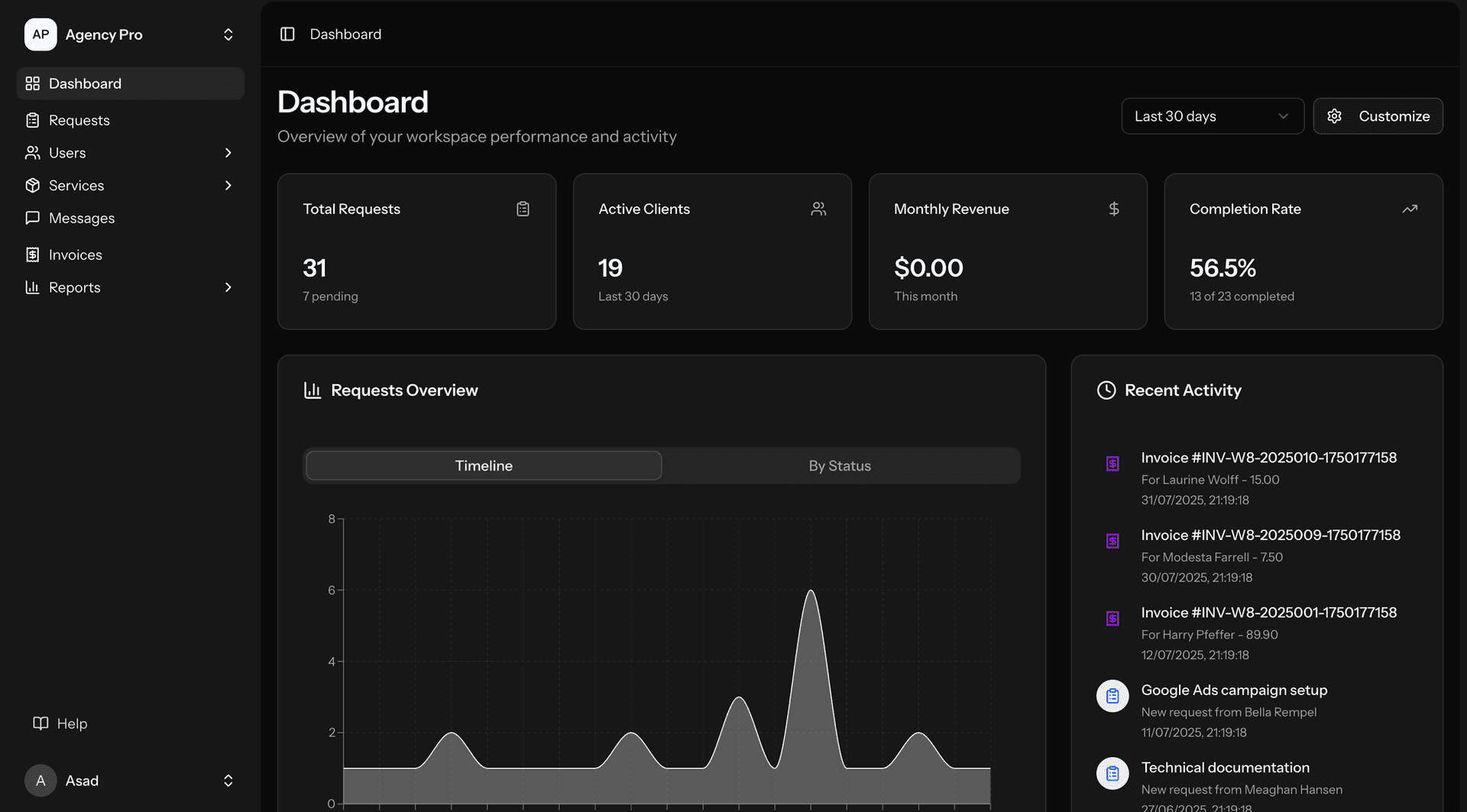
Dubai analytics demand spans retail, real estate, hospitality, government, and the trading companies that form the backbone of Dubai's commercial economy. Retail analytics: Dubai's retail sector (AED 180+ billion annually) needs: sales performance dashboards (real-time revenue by store, by brand, by category — replacing the weekly Excel email), customer analytics (purchase frequency, basket composition, customer lifetime value — most Dubai retailers have transaction data but no customer-level analytics because they never linked POS data to loyalty or CRM), inventory optimization (Dubai retailers carry 15-25% excess inventory because reorder decisions are based on gut feeling rather than demand forecasting — the data to forecast exists in POS history but is never analyzed), and foot traffic analytics (camera-based people counting correlated with sales data — conversion rate by hour, by day, by season — essential for mall-based retailers negotiating lease terms based on footfall). Real estate analytics: Dubai's property market generates extraordinary data — DLD (Dubai Land Department) publishes transaction data, RERA (Real Estate Regulatory Authority) publishes rental indices, and property portals (Property Finder, Bayut, Dubizzle) provide listing and inquiry data. Real estate analytics needs include: market intelligence dashboards (transaction volumes, price per sqft trends, absorption rates — by area, by property type, by developer), investment portfolio analytics (yield calculations, occupancy tracking, maintenance cost analysis across property portfolios), and predictive pricing models (estimating property values based on comparable transactions, location features, and market trends). Hospitality analytics: Dubai's 800+ hotels generate: revenue management analytics (RevPAR optimization — correlating booking patterns with pricing, events, competitor pricing, and seasonality), guest satisfaction analytics (aggregating reviews across Booking.com, TripAdvisor, Google, and internal surveys into unified sentiment dashboards), and F&B analytics (menu engineering — analyzing dish profitability, popularity, and food cost percentage to optimize menus). Government and smart city: Dubai government entities need: service performance analytics (response times, completion rates, citizen satisfaction scores across digital and physical service channels), infrastructure analytics (utility consumption patterns, traffic flow analysis, waste management optimization), and compliance monitoring (entity-level KPI dashboards tracking progress against Dubai Plan objectives). Trading companies: Dubai's re-export trade (the largest in the Middle East) generates: trade flow analytics (import/export volumes by commodity, by origin/destination, by trade route), margin analytics (profitability by commodity, by customer, by shipping route — essential for traders operating on thin margins with high volumes), and risk analytics (currency exposure, counterparty risk, commodity price volatility).