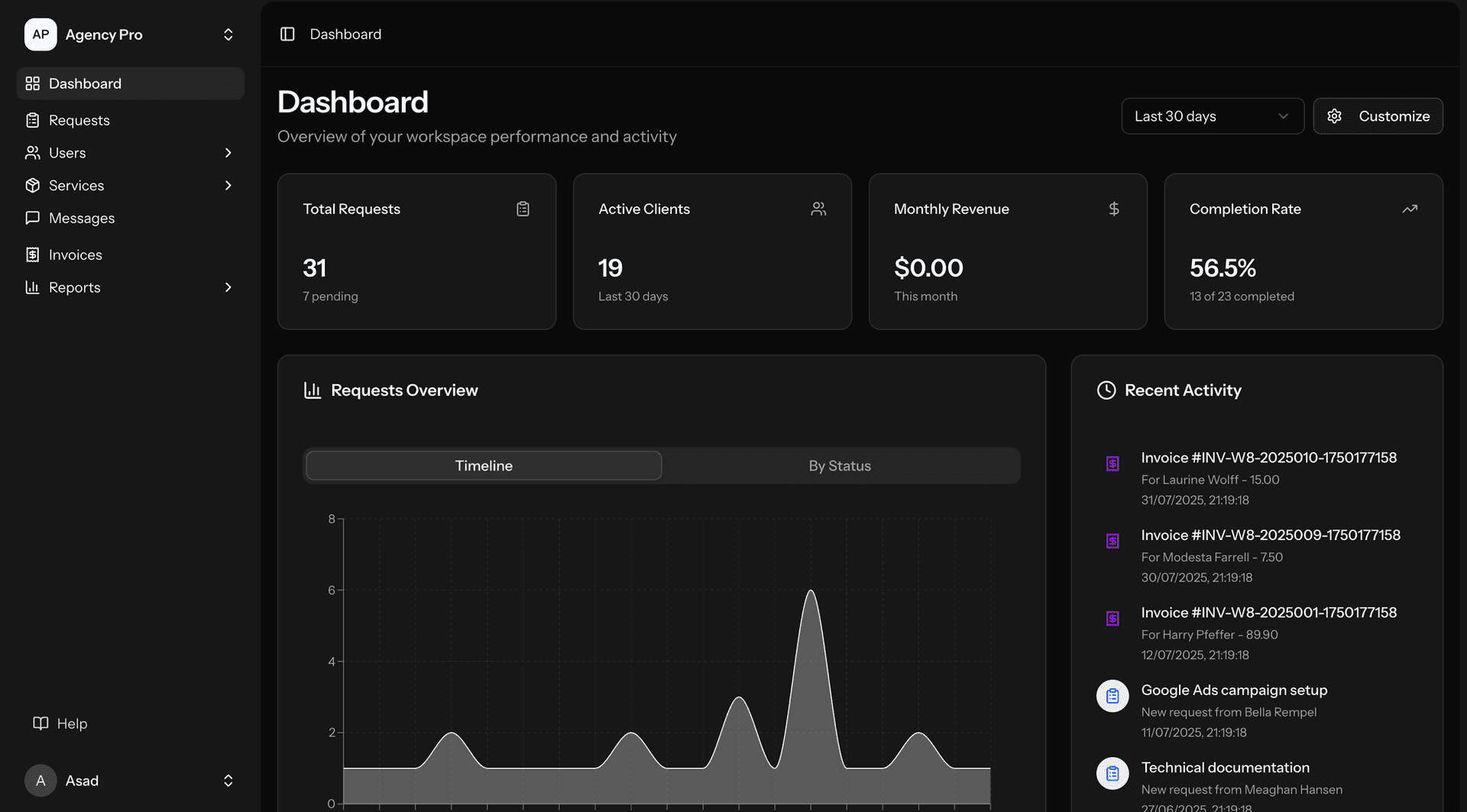
Data analytics in Riyadh requires handling Arabic-first presentation, Saudi regulatory compliance, and the specific data infrastructure landscape of the kingdom. Arabic-first business intelligence: we build dashboards and reports where Arabic is the primary language, not a translation layer. This means: right-to-left layout as the default (not mirrored left-to-right), Arabic typography that renders correctly across all chart types and data visualizations, Hijri calendar support alongside Gregorian (many government processes use Hijri dates, all financial periods map to both), Saudi Riyal formatting with Arabic and Western numeral options, and Arabic natural language generation for automated report narratives. We implement this using customised Metabase, Apache Superset, or Streamlit dashboards — not Tableau or Power BI Arabic mode, which handles RTL layout inconsistently and breaks on Arabic data labels in complex visualisations. NDMO governance compliance: SDAIA's National Data Management Office mandates data governance practices for all government data and sensitive private sector data. Our analytics platforms implement: data classification (public, restricted, confidential, top secret) with appropriate access controls at each level, data lineage tracking — every number in a dashboard traceable to its source system and transformation logic, data quality monitoring with automated alerts for anomalies, completeness gaps, and freshness violations, metadata management aligned with NDMO standards, and audit trails satisfying SDAIA inspection requirements. For ZATCA analytics specifically, we build reconciliation pipelines that match e-invoicing data (Fatoora submissions) against accounting system records, flagging discrepancies before ZATCA's automated validation catches them. Saudi data infrastructure reality: Riyadh enterprises operate on a mix of modern cloud platforms and legacy systems. Government entities often run Oracle EBS, SAP ECC, or custom-built systems dating from the 2000s. Saudi Aramco operates massive on-premise data infrastructure. Banks run on Temenos, Finacle, or Equation with data warehouses in various states of maturity. Our analytics approach starts with data integration — building reliable ETL/ELT pipelines that extract from these heterogeneous sources into a modern analytics layer (typically a cloud data warehouse on Oracle Cloud Jeddah region, or Snowflake/Databricks where data localisation requirements permit). We handle the specific challenges: Arabic text encoding inconsistencies between legacy systems, Hijri-to-Gregorian date conversion across systems that use different calendar standards, and the Saudi-specific data formats (national ID structures, commercial registration numbers, ZATCA tax identification numbers) that require custom validation logic.