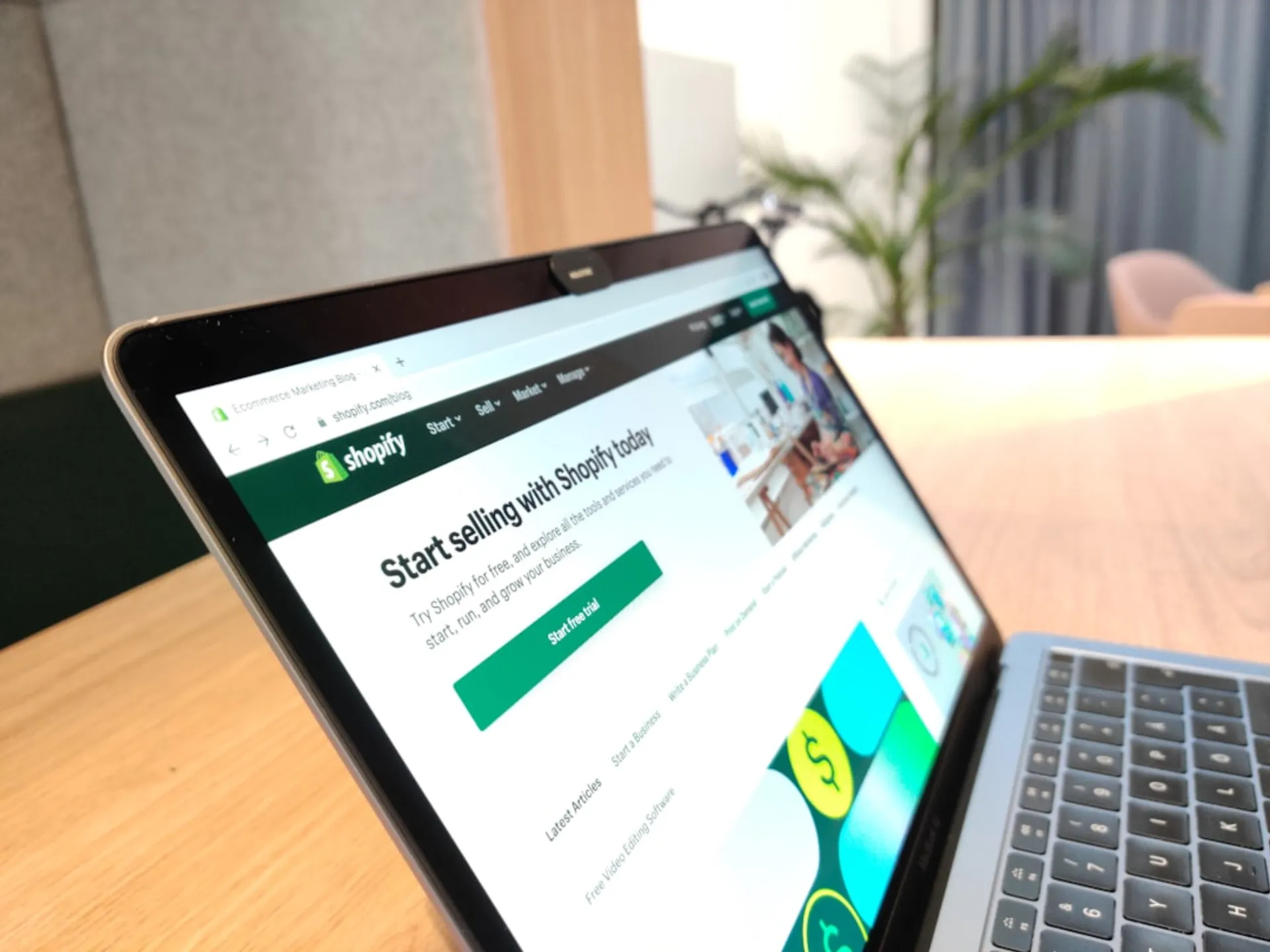
ZTABS builds e-commerce platforms for Austin brands in food, wellness, outdoor and lifestyle. We are a remote-first team headquartered in Houston, Texas, and we work within Central Time hours for every session.
Austin's startup ecosystem received nearly $4 billion in venture funding in 2024, and the city has produced more than 20 unicorn companies over the past two decades (McCombs/UT Austin). The D2C brand ecosystem is shaped by the city's culture: food and BBQ heritage, fitness and wellness, outdoor recreation, and a creative identity that values authenticity. Austin is home to 878 B2C e-commerce companies, including 196 funded firms with $2 billion in total funding (Tracxn). Our broader e-commerce capabilities are on the e-commerce development services page.
Austin e-commerce projects at a glance
| Sector | What we build | Key requirement |
|---|
| Food and beverage (BBQ, coffee, spirits, hot sauce) | D2C storefronts, subscription boxes | Perishable shipping, age verification, FDA labeling |
| Health and wellness (supplements, athleisure, CBD) | Subscription commerce, education-driven product pages | DSHEA compliance, Texas CBD regulations |
| Outdoor and lifestyle | Gear stores, adventure brand storefronts | Seasonal campaigns, gear configurators |
| B2B (tech corridor procurement, corporate gifting) | Wholesale portals, corporate gifting platforms | Volume pricing, net terms, PO workflows |
What makes Austin e-commerce different
Texas sales tax
Texas charges a 6.25% state sales tax plus up to 2% in local taxes (8.25% total in Austin). Product category exemptions add complexity: most food items for home consumption are exempt, but prepared food is taxable. We configure tax calculation through Shopify Tax, TaxJar or Avalara and test the rules against Texas Comptroller guidelines (Texas Comptroller).
Texas Data Privacy and Security Act
The TDPSA (effective July 2024) gives Texas consumers rights over their personal data, including the right to opt out of targeted advertising. E-commerce sites collecting customer data for marketing need consent management, a privacy policy that meets TDPSA requirements, and opt-out mechanisms for ad targeting.
Food and beverage compliance
Austin food brands shipping nationally need FDA-compliant product labeling on product pages: nutritional information, ingredient lists, allergen declarations and net weight. Alcohol sales require age verification at checkout. Perishable products need shipping logic that accounts for transit time, gel packs and carrier cutoff times.
What we build for Austin brands
Shopify Plus storefronts
For most Austin D2C brands, Shopify Plus is the right platform. We build custom themes, configure product options and variants, integrate subscription commerce (Recharge or native Shopify subscriptions), and set up multi-channel selling (Amazon, wholesale B2B, retail POS). Shopify Plus handles the infrastructure scaling that Austin brands need during SXSW season, holiday peaks and viral moments.
Headless commerce (Next.js + Shopify)
For brands that need full design control, faster page loads, or complex content-commerce experiences, we build headless: Next.js on the front end with Shopify as the commerce backend via the Storefront API. This gives you a custom experience with Shopify's checkout, payment processing and inventory management.
Subscription commerce
Supplements, coffee, meal kits and pet food are inherently recurring. We build subscription flows with auto-ship, skip/pause/modify controls, dosage reminders for supplements, and swap options for variety boxes. The key is reducing churn: we implement pre-cancellation offers, subscription health dashboards and reactivation sequences.
Food and perishable e-commerce
We build shipping logic for temperature-sensitive products: insulated packaging cost calculation, carrier cutoff times by destination, blackout dates for high-heat weeks, and delivery window selection. For alcohol, we integrate age verification at checkout.
Building an e-commerce store for your Austin brand?
Tell us what you sell, your shipping requirements and your target launch date. We will reply with a platform recommendation and cost estimate.
How delivery works with Austin teams
Austin is in Central Time. We schedule all sessions, demos and launches within CT working hours.
- Discovery, 1 to 2 weeks. Map the product catalog, shipping requirements, integrations and compliance needs.
- Design, 2 to 3 weeks. Storefront design with mobile-first approach. Brand-aligned product pages, collection layouts and checkout flow.
- Build, 3 to 8 weeks. Theme development, app integrations, subscription setup, tax configuration.
- Testing, 1 to 2 weeks. Cross-device testing, payment flow testing, tax calculation verification, shipping rate validation.
- Launch and optimization. Store launch, analytics setup, initial conversion rate optimization.
Our stack depends on the project: Shopify Plus with Liquid for most D2C brands, headless Next.js + Shopify Storefront API for custom experiences, and WooCommerce for WordPress-native businesses.
Illustrative Example
A D2C supplement brand launching from Austin
Situation. An Austin wellness brand generates $1.2 million annually selling supplements through Amazon but pays 30% in Amazon fees and has no direct customer relationship. The brand wants to launch a D2C store to own the customer data, build a subscription base, and reduce dependency on Amazon. The product line includes 18 SKUs across protein powders, vitamins and adaptogens, with 6 subscription-friendly products. Average order value on Amazon is $65.
How we would approach it. We would build on Shopify Plus with a custom theme that emphasizes product education: ingredient breakdowns with dosage information, clinical study summaries, usage guides and a "build your stack" quiz that recommends products based on goals. We would implement Recharge for subscriptions with auto-ship, skip/pause controls, dosage reminders and a "swap this month" feature for variety. Tax configuration would handle the Texas sales tax exemption for dietary supplements (generally exempt as food for human consumption). Payment would include Apple Pay, credit cards and Tabby-style BNPL for orders over $100. Email marketing through Klaviyo with a welcome sequence, abandoned cart recovery, subscription renewal reminders and a replenishment flow based on estimated product usage. Product pages would include UGC reviews imported from Amazon (using a tool like Junip or Stamped) so the D2C store launches with social proof.
What we would measure. Subscription conversion rate (targeting 25%+ of orders), 90-day subscription retention (targeting 70%+), average order value (targeting $75+ vs. $65 on Amazon), cost per acquisition through paid social and search, and customer lifetime value at 6 and 12 months. Development budget would be in the $25K to $50K range over 6 to 10 weeks.
This is a hypothetical scenario for illustration. Actual scope, timeline and cost depend on your requirements.
See how this applies to your Austin brand?
Share what you sell, your shipping requirements, and growth goals. We will map a platform and subscription strategy to your product line.
Cost and timeline
E-commerce costs depend on the platform, the number of integrations and the complexity of shipping and compliance requirements. These ranges come from our e-commerce development cost guide and Shopify development cost guide.
| Build | Typical cost | Typical timeline |
|---|
| Shopify template store (standard theme, basic customization) | $5K to $25K | 3 to 6 weeks |
| Custom Shopify store (custom theme, subscriptions, integrations) | $25K to $60K | 6 to 12 weeks |
| Headless commerce (Next.js + Shopify, custom experience) | $60K to $120K | 10 to 18 weeks |
| Custom e-commerce platform (complex logic, multi-storefront) | $120K to $200K+ | 16 to 28 weeks |
Subscription commerce adds $5K to $15K for the subscription engine, customer portal and churn reduction flows. Food compliance (perishable shipping logic, age verification, FDA labeling) adds $3K to $10K.
Budget looks right for your store?
Tell us what you sell, the platform you prefer, and your launch timeline. We will provide a fixed-scope estimate within 48 hours.
Choosing an e-commerce partner in Austin
| Option | Good for | Tradeoff |
|---|
| ZTABS (remote-first, Houston HQ) | Custom Shopify Plus and headless commerce with compliance | Remote-first by design, same state and timezone |
| Austin Shopify agency | Local brands wanting face-to-face collaboration | Higher local rates, may lack headless expertise |
| Large US e-commerce agency | Enterprise and multi-brand retailers | $100K+ minimum projects, slower for startup-speed work |
| Shopify expert freelancer | Simple theme customization and app setup | Limited capacity for custom development |
| Offshore development team | Cost-sensitive builds with lower complexity | Shopify and US tax compliance expertise may be limited |
ZTABS Shopify developers run $35 to $65/hr, and React/Next.js developers for headless commerce run $40 to $80/hr. Full rate details are on our hire developers page.
Ask each vendor to show a subscription commerce store they have built, describe how they handle Texas sales tax configuration, and explain their approach to perishable shipping logic if your products require it.
When ZTABS is not the right fit
- You need a team in your Austin office daily. We are remote-first by design, headquartered in Houston. If your project requires daily in-person collaboration in Austin, a local agency may be a better fit.
- You just need a Shopify theme installed and configured. A Shopify Expert freelancer can do that for less.
- You are building a marketplace (multi-vendor). Marketplace development is a different scope. See our marketplace development services.
- Your budget is under $5K. At that level, a pre-built Shopify theme with minimal customization is more practical.
- You need ongoing store management and order fulfillment. We build stores, but we do not manage inventory or fulfill orders.
Questions to ask any Austin e-commerce partner
Before signing with any vendor, get clear answers to these:
- Show me a subscription commerce store you have built. Not a standard Shopify store with a subscription app bolted on. A store with custom subscription flows: skip/pause controls, swap options, dosage reminders or replenishment timing. If they cannot show one, they have not built one.
- How do you handle Texas sales tax for my product category? Texas sales tax exemptions are category-specific. Dietary supplements are generally exempt as food for human consumption; prepared food is taxable; clothing is taxable. The vendor should know the rules for your specific product category and describe how they configure tax in Shopify or the chosen platform.
- What is your approach to perishable shipping logic? If you sell anything temperature-sensitive, the vendor should describe how they handle carrier cutoff times, insulated packaging cost calculations, blackout dates for extreme heat weeks, and destination-based transit time limits. Generic "we set up shipping rates" is not sufficient.
- How do you set up email marketing flows before launch? A D2C store that launches without welcome, abandoned cart, post-purchase and replenishment sequences is leaving revenue on the table from day one. The vendor should have a standard pre-launch email checklist and Klaviyo (or equivalent) implementation plan.
- Describe how you handle the Amazon-to-D2C transition. If you are moving from Amazon, the vendor should understand UGC review migration, SEO for branded product terms Amazon currently owns, and the customer acquisition strategy for driving traffic to a new domain.
Risks that delay Austin e-commerce projects
- Tax configuration errors. Texas sales tax exemptions are category-specific. Getting them wrong means either overcharging customers or underpaying tax. We test tax calculation against specific product categories and recommend a review by your accountant before launch.
- Subscription churn from poor UX. If customers cannot easily skip, pause or modify their subscription, they cancel entirely. We build a self-service subscription portal where customers control everything without contacting support.
- Perishable shipping failures. Gel packs and insulated packaging add cost, and carrier cutoff times vary by destination. A shipment that arrives warm because it missed a transit deadline damages both the product and the brand. We build shipping logic that blocks orders to destinations where transit time exceeds the cold chain window.
- Launching without email flows. A D2C store without welcome, abandoned cart, post-purchase and replenishment email sequences leaves revenue on the table. We set up the core flows before launch, not after.
- Underestimating product photography needs. Austin D2C brands often have great products but poor product images. E-commerce conversion rates correlate directly with image quality, lifestyle context and the number of angles shown. If you are launching with manufacturer photos or smartphone shots, budget for professional product photography before or alongside the development timeline. Stores with 5+ high-quality images per product consistently outperform those with 1-2 generic shots.
- Ignoring mobile checkout friction. Over 70% of D2C e-commerce traffic is mobile, but mobile conversion rates are typically half of desktop. Every extra form field, unexpected shipping cost, or slow-loading page on mobile costs sales. We audit the mobile checkout flow specifically: Shop Pay and Apple Pay one-tap checkout, minimal form fields with autofill, shipping cost shown before the final step, and page load under 3 seconds on a mid-range phone.
- No strategy for returns and exchanges. Austin brands selling apparel, supplements and food products see return rates between 8% and 30% depending on the category. A store without a clear returns policy page, automated RMA flow and exchange-first logic (offering an exchange before a refund) loses both the revenue and the customer. We build self-service return portals that encourage exchanges and store credit over refunds.
- Neglecting post-purchase email sequences. The highest-ROI marketing for D2C e-commerce happens after the first purchase: order confirmation, shipping updates, delivery follow-up, review requests, replenishment reminders, and cross-sell recommendations. We integrate Klaviyo or equivalent email automation during the build, not after launch, so the first customers immediately enter a retention sequence that builds lifetime value.
Ready to launch your Austin e-commerce store?
Send us what you sell, your shipping and compliance requirements, and your target launch date. We will reply with a platform recommendation, proposed scope and cost estimate.