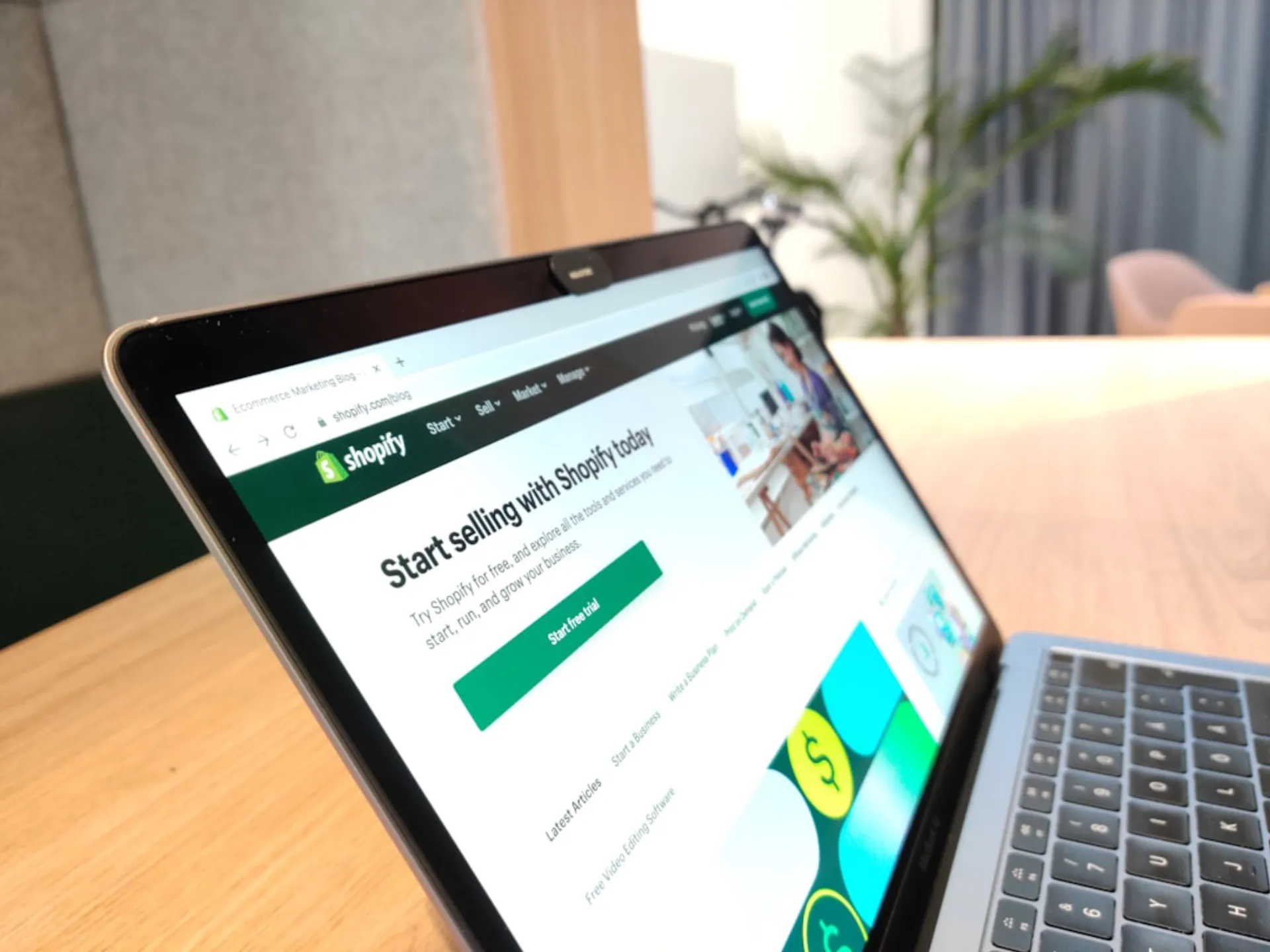
Our Melbourne eCommerce development covers platform selection, design, development, and launch optimisation. Platform strategy (week 1): choosing the right foundation. We evaluate: business model (DTC, marketplace, subscription, B2B, or hybrid — the model determining platform requirements), product complexity (simple products, configurable products, subscriptions, digital products, or combinations — determining how much platform flexibility is needed), integration requirements (ERP, POS, warehouse management, accounting, marketing automation — determining which platform ecosystem offers the best integration support), and budget and timeline (Shopify development is typically 40-60% faster and cheaper than custom/headless development — the trade-off being less customisation flexibility). Our recommendation: documented and justified. We don't default to a platform — we recommend based on your specific needs. If Shopify Plus handles your requirements: we recommend Shopify Plus (faster to market, lower maintenance, larger ecosystem). If your needs exceed Shopify's architecture: we recommend headless or custom (more development investment but better fit for complex requirements). Design and UX (weeks 2-4): designing for Melbourne consumers. Conversion-focused design: every design decision evaluated against its impact on conversion. Melbourne consumer research informing: navigation structure (how Melbourne shoppers browse — category-first for fashion, search-first for specialty items, collection-based for curated ranges), product page design (what information Melbourne shoppers need to purchase — size guides prominent for fashion, ingredient lists prominent for health, dimensions prominent for homewares), checkout optimisation (reducing checkout friction — guest checkout default, AfterPay/Zip prominent, saved addresses for returning customers, express checkout via Apple Pay/Google Pay), and mobile-first design (68% of Melbourne eCommerce traffic is mobile — every page designed for thumb-zone navigation, mobile-optimised images, and touch-friendly interaction). Development (weeks 4-8): building the store. Shopify development: custom Shopify 2.0 theme (not a purchased theme — custom-designed to match the brand and optimise conversion), app integration (selecting and configuring Shopify apps for functionality beyond the core platform — reviews, loyalty, subscriptions, shipping), custom functionality (Shopify Scripts for checkout customisation, custom metafields for product data, and custom sections for page builder flexibility), and performance optimisation (image optimisation, code splitting, font loading, and third-party script management — targeting sub-2-second page loads). Australian payment integration: Shopify Payments (1.75% + A$0.30 domestic), AfterPay (buy-now-pay-later — essential for Melbourne fashion and lifestyle), Zip (alternative BNPL), PayPal, Apple Pay, and Google Pay. For B2B: bank transfer, payment on account, and credit terms. Australian shipping integration: Australia Post (eParcel for domestic), StarTrack (B2B and heavy items), Sendle (carbon-neutral option popular with sustainability-focused Melbourne brands), and same-day delivery partners (Uber Direct, DoorDash Drive). Shipping rate calculation: by weight, dimensions, destination zone, and product-specific rules (fragile, hazardous, temperature-sensitive). Launch and optimisation (weeks 8-10): going live and improving. Pre-launch: comprehensive testing across devices and browsers, payment method verification (test transactions through every payment gateway), shipping rate verification (test orders to every shipping zone), and SEO verification (meta tags, structured data, sitemap, and Google Search Console configuration). Launch: DNS cutover (typically scheduled for the lowest-traffic period — 2-4 AM AEST Tuesday), with the team monitoring for issues for 4 hours post-launch. Post-launch optimisation: conversion rate optimisation based on real user data — heatmaps (where users click and scroll), session recordings (how users navigate), funnel analysis (where users drop off), and A/B testing (testing changes to validate improvements before permanent implementation).