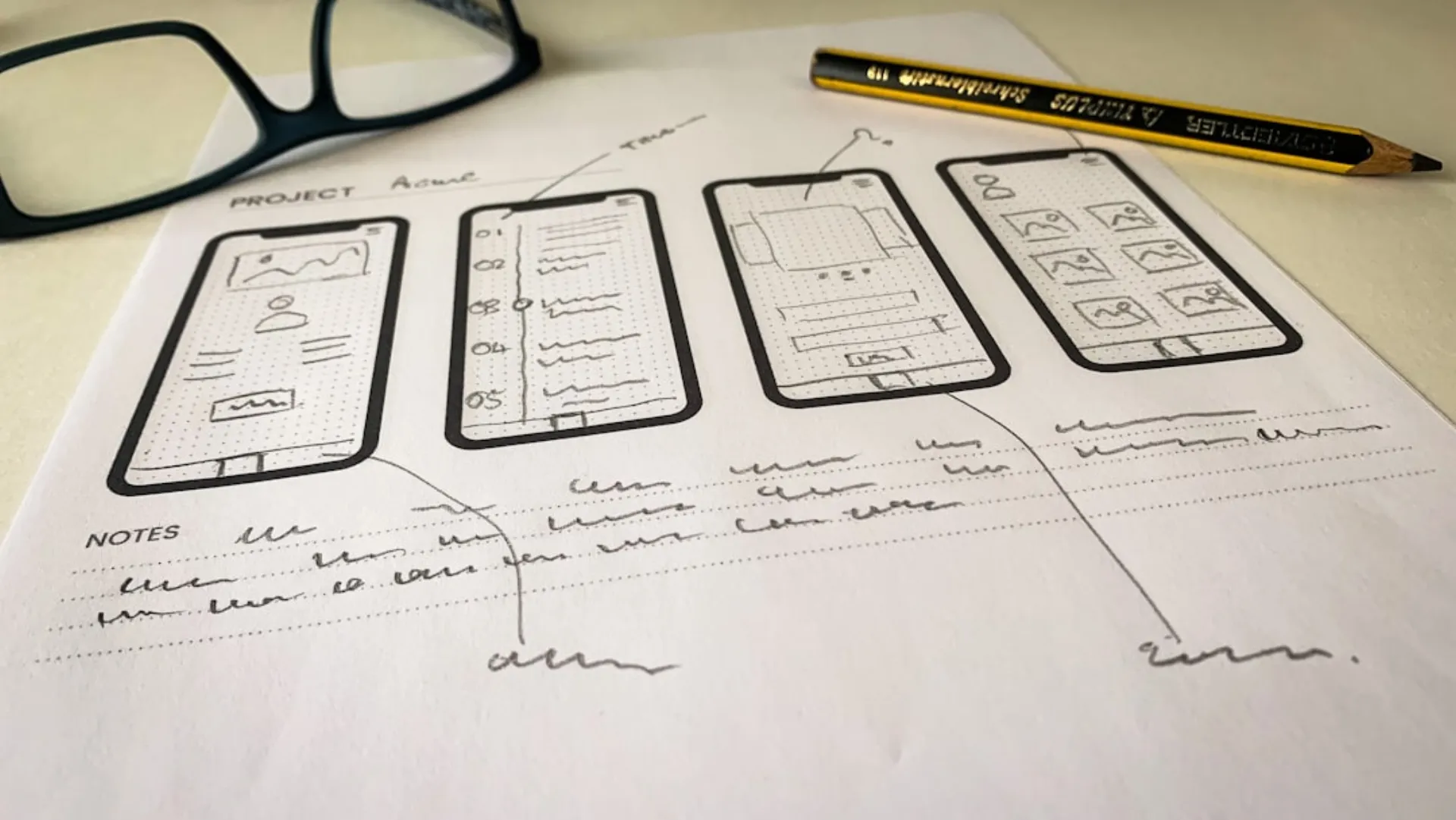
Our Cape Town MVP development follows lean methodology adapted for South African conditions: (1) Validation (week 1): testing assumptions before building. Problem validation: verifying that the problem the MVP addresses is real and painful for the target users. South African validation: customer interviews (conducted in English, Afrikaans, or Zulu/Xhosa depending on the target market), observational research (watching how potential users currently solve the problem), and competitive analysis (who else is attempting to solve this problem in South Africa?). MVP scope definition: defining the absolute minimum feature set that validates the core business hypothesis. The MVP: not a "version 1" of the full product — it's the smallest thing that tests whether the business idea works. South African MVP scope: typically including one core feature, South African payment integration, mobile-optimised UX, and basic analytics to measure validation metrics. Metrics definition: defining what "success" means for the MVP. Key metrics: user acquisition (can we get users?), activation (do users complete the key action?), retention (do users come back?), and revenue (will users pay?). Targets: defined before development — providing objective criteria for evaluating MVP success. (2) Design (weeks 1-2): designing for South African users. Mobile-first design: designing primarily for Android smartphones — smaller screens, variable connection quality, and touch-first interaction. South African mobile design: large touch targets (thumb-friendly), minimal data consumption (lazy loading, compressed assets), and offline capability (core features functioning without constant connectivity). UX for South African users: simple onboarding (South African users abandoning complex signup processes — mobile number verification preferred over email), familiar patterns (WhatsApp-style messaging, Uber-style booking — leveraging patterns South African users already understand), trust signals (clear pricing, visible security indicators, and recognisable payment methods), and accessibility (supporting English, Afrikaans, and potentially isiZulu/isiXhosa — South Africa's linguistic diversity requiring at minimum English with consideration for additional languages). Prototype: interactive Figma prototype — tested with 5-10 target users before development begins. User testing: conducted in Cape Town, with participants representing the target demographic. Feedback: incorporated into the design before development — avoiding building features that users don't want or don't understand. (3) Development (weeks 2-5): building fast, building right. Technology stack: React Native (our default for Cape Town MVPs — single codebase for iOS and Android, with native performance. 80% of South African users on Android: Android performance prioritised), Node.js/Express backend (rapid development, excellent ecosystem for payment and messaging integration), PostgreSQL database (reliable, scalable, and free — appropriate for MVP budgets), and Vercel/Railway deployment (managed hosting eliminating DevOps complexity — enabling the small development team to focus on features rather than infrastructure). South African integrations: payment (Ozow for instant EFT — the fastest-growing payment method in SA. PayFast for card payments. SnapScan for QR payments. Integration time: 2-3 days per provider), WhatsApp (WhatsApp Business API for notifications and communication — critical for South African user engagement. Users preferring WhatsApp over email and in-app notifications), SMS (Clickatell or BulkSMS — for users without smartphones or WhatsApp. USSD: for applications targeting feature phone users), and identity verification (for fintech — Home Affairs ID verification, credit bureau integration via TransUnion or Experian SA). Core features: building only what's needed to test the hypothesis. No admin dashboards (use direct database queries), no email templates (use basic transactional emails), no analytics dashboards (use Google Analytics). The MVP: functional and testable, not polished and complete. Speed of development: targeting 3-4 weeks from design completion to functional MVP — Cape Town's competitive startup environment requiring speed. (4) Testing and iteration (weeks 4-5): validating with real users. Beta launch: releasing the MVP to a small group of target users (20-50 people). Cape Town beta: recruiting through personal networks, social media, and WhatsApp groups — South Africa's strong community networks enabling efficient beta recruitment. Monitoring: tracking key metrics — daily active users, feature usage, conversion funnel, and error rates. User feedback: direct feedback through WhatsApp conversations with beta users (South African beta users: providing honest, direct feedback when approached personally), in-app feedback mechanisms, and short surveys. Iteration: rapid iteration based on beta feedback — fixing critical issues daily, adding requested features weekly. The iteration: prioritised by impact on validation metrics — changes that improve the key metric (conversion, retention, revenue) prioritised over cosmetic improvements. (5) Launch and growth (weeks 5-6+): going to market. Launch: public launch — App Store and Google Play submission (or web-only launch for faster iteration). South African launch: targeting Cape Town first (geographic focus for achieving local critical mass), with social media marketing (Facebook and Instagram — dominant in South Africa), WhatsApp marketing (leveraging WhatsApp groups and broadcasts for organic distribution), and community building (Cape Town startup community, university networks, and industry associations). Growth measurement: tracking cost per acquisition (CPA), conversion rates, and retention — the metrics that determine whether the MVP has achieved product-market fit. Product-market fit signal: retention rate above 40% at 30 days (indicating that users who try the product continue using it), positive unit economics (lifetime value exceeding customer acquisition cost by 3x+), and organic growth (users recommending the product to others without paid marketing). Fundraising readiness: the MVP with traction data — user metrics, revenue data, and growth trajectory — providing the evidence that South African and international VCs require for investment decisions.