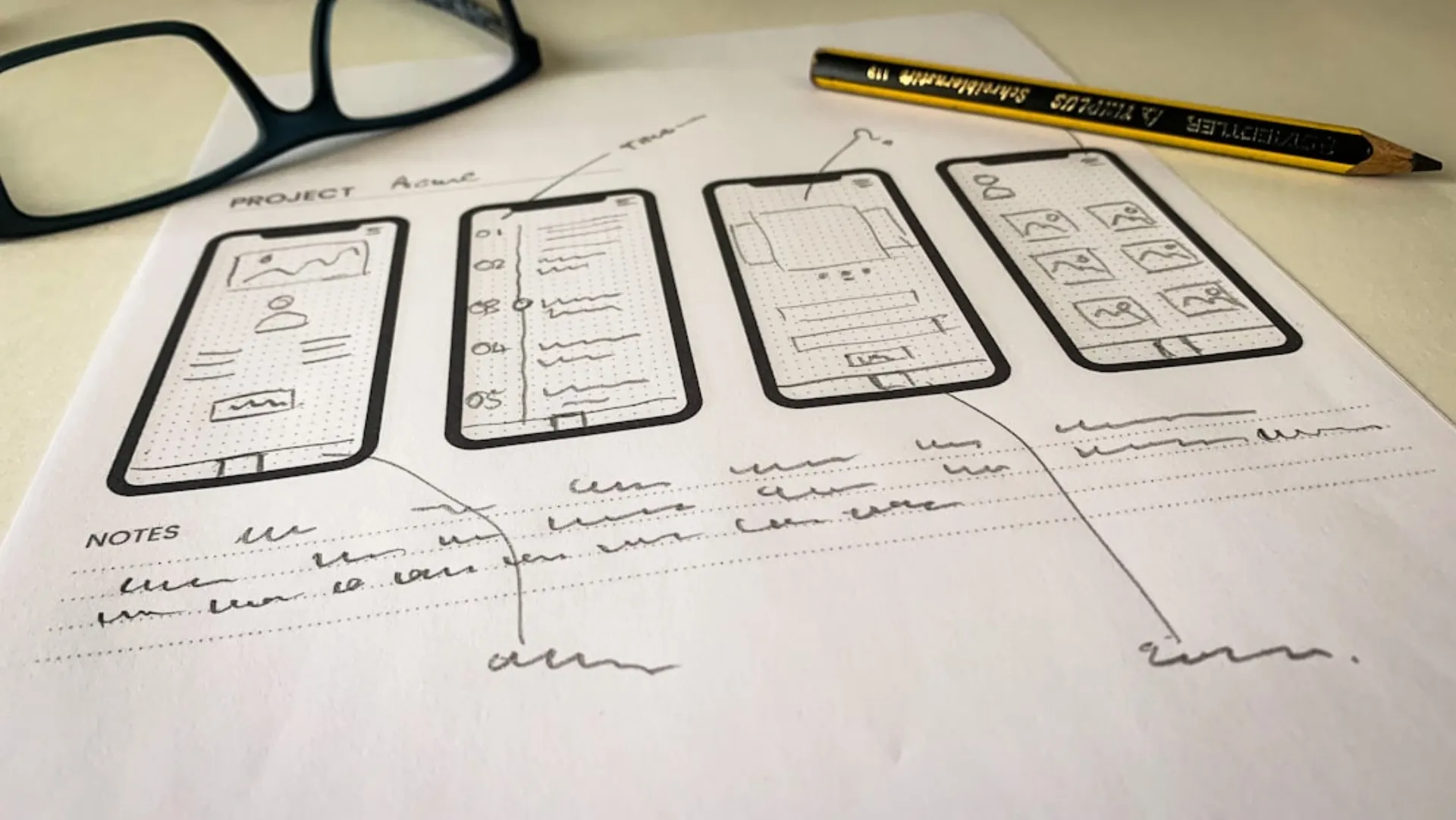
ZTABS builds MVPs for Denver startups and enterprises. We are remote-first by design from our office in Houston, Texas.
Denver's startup ecosystem reflects the city's unique position at the intersection of outdoor lifestyle, agricultural technology, cannabis industry, energy and federal laboratory research. The ecosystem concentrates around AgTech (proximity to Colorado State University agricultural research), cannabis compliance technology (Metrc seed-to-sale tracking), outdoor recreation and tourism platforms, and cleantech (proximity to the National Laboratory of the Rockies in Golden, formerly the National Renewable Energy Laboratory/NREL). Our broader MVP development capabilities are on the MVP development services page, and planning benchmarks are in the MVP development cost guide.
Denver's MVP landscape is distinct from coastal tech hubs. The city's industries create technical challenges that are not typical SaaS problems: agricultural sensor networks operating in remote areas with intermittent connectivity, cannabis compliance systems that must track every plant through a state-mandated system, water rights management under Colorado's prior appropriation doctrine, and energy research products that bridge academic and commercial applications. These domain-specific requirements shape architecture decisions from the MVP stage.
Denver MVP development at a glance
| Industry | MVP type | What we build |
|---|
| AgTech | Precision agriculture, irrigation, crop analytics, supply chain | Software for Colorado's agricultural research ecosystem |
| Cannabis tech | POS, inventory, Metrc compliance, dispensary management | Products for licensed cannabis operators |
| Outdoor recreation | Booking platforms, trail management, equipment rental, tourism | Products for Colorado's outdoor industry |
| Cleantech | Energy monitoring, building efficiency, carbon accounting | Products near the National Laboratory of the Rockies (formerly NREL) |
| Water tech | Water rights management, irrigation optimisation, conservation | Products for Colorado's water-scarce environment |
Cannabis technology MVPs
Colorado was among the first states to legalise recreational cannabis, and the state's mature regulatory framework creates ongoing demand for technology products that help licensed operators manage compliance, inventory, sales and analytics. Metrc is Colorado's mandated seed-to-sale tracking system; licensed operators must report inventory movements, transfers, sales and waste disposal through Metrc.
Metrc integration patterns
Cannabis tech MVPs that integrate with Metrc must account for the API's specific data models, reporting requirements and rate limits. Access to Metrc's API is through Metrc's API programme and requires the operator's licence and authorisation. Cannabis businesses operate in a complex regulatory environment with state licensing, local regulations, banking challenges (some financial institutions serve cannabis-related businesses, but access to traditional banking and merchant services remains restricted for many operators) and evolving federal policy. Cannabis tech MVPs need to account for cash-heavy operations, compliance audit trails and multi-location inventory management.
Cannabis point-of-sale MVPs typically involve customer check-in (ID verification for age compliance), product catalogue with strain and potency information, shopping cart with tax calculation (cannabis taxes vary by jurisdiction within Colorado), Metrc-compliant sales reporting, and cash management. Analytics MVPs help operators understand sales patterns, inventory turnover, compliance risk and customer behaviour.
Illustrative Example
Hypothetical: Cannabis Dispensary Analytics MVP
A Denver cannabis tech startup would build a dispensary analytics MVP targeting multi-location operators with 3 to 10 dispensary locations across Colorado.
MVP scope: pull sales, inventory and compliance data from the operator's existing POS and Metrc integration, aggregate across locations, provide dashboards for sales performance, inventory turnover, compliance status and customer demographics. Alert operators to compliance risks (inventory discrepancies, reporting deadlines, licence renewal dates).
Architecture: Next.js frontend for operator dashboard, Node.js backend, PostgreSQL for analytics data. Metrc integration through the operator's existing API access (subject to Metrc's current API terms). Pilot with one multi-location operator. Validation: does the platform reduce compliance preparation time and identify sales optimisation opportunities? Timeline and cost dependent on POS integration complexity, Metrc API scope and operator requirements.
This is a hypothetical scenario for illustration. Actual scope, timeline and cost depend on your requirements.
Building a cannabis tech or AgTech MVP in Denver?
Tell us your product concept, target operators and compliance requirements. We will assess scope, integration needs and cost range using our published benchmarks.
AgTech MVPs
Colorado's agricultural research ecosystem, anchored by Colorado State University (CSU) and USDA Agricultural Research Service facilities, produces AgTech startups addressing precision agriculture, irrigation optimisation, crop analytics, livestock management and agricultural supply chain visibility. Colorado's diverse agricultural landscape (irrigated crops, dryland farming, ranching) and water scarcity challenges create distinct technology opportunities.
Precision agriculture and water management
AgTech MVPs in Colorado frequently involve sensor data from field-deployed hardware (soil moisture sensors, weather stations, irrigation controllers). The challenge is building software that aggregates data from heterogeneous sensors, handles intermittent connectivity in rural areas, and provides actionable recommendations to farmers. Water management is particularly important in Colorado, where water rights follow the prior appropriation doctrine ("first in time, first in right"), and irrigation efficiency directly affects agricultural viability.
MVPs for water management may involve integration with state water administration data, USGS stream gauge data and weather forecasting APIs. These data sources are generally available through public APIs, but integration complexity varies. Hardware sensor integration depends on the specific equipment and data protocols the client uses.
Outdoor recreation and tourism MVPs
Colorado's outdoor recreation industry (skiing, hiking, mountain biking, rafting, camping) creates MVP opportunities for booking platforms, trail management systems, equipment rental platforms, guide booking services and outdoor event management. These products often need to handle seasonal demand patterns, real-time availability, weather-dependent operations and location-based services.
Outdoor technology patterns
Outdoor recreation MVPs commonly involve real-time availability management, location-based search, weather API integration, mobile-first design for users in the field, and offline capability for areas with limited connectivity. Booking and marketplace MVPs need to handle multi-party transactions (guide services, equipment rentals, permit requirements). Ski resort technology may involve lift ticket systems, snow condition reporting and resort management.
Connectivity and offline-first architecture
Many outdoor recreation products need to function in areas with limited or no cellular connectivity: mountain trails, backcountry skiing areas, remote camping sites and river corridors. Offline-first architecture (local data storage, background sync, conflict resolution) adds complexity but is essential for products used in Colorado's mountainous terrain. Progressive Web App (PWA) approaches and React Native with offline-capable databases are common patterns for outdoor MVPs. GPS and mapping integration (offline map tiles, elevation data, trail waypoints) is frequently required.
Denver startup ecosystem
Denver's startup support ecosystem includes Techstars Boulder, Boomtown Accelerator, Denver Startup Week and the Rocky Mountain Venture Capital Network. The broader Front Range ecosystem (Denver, Boulder, Fort Collins) provides access to technical talent from CU Boulder, CSU and Colorado School of Mines. CSU's agricultural research and Colorado School of Mines' energy and earth science programmes produce domain-specific founders for AgTech, cleantech and mining technology startups.
Building an outdoor recreation or water tech MVP in Denver?
Tell us your product concept, target market and seasonal requirements. We will assess scope, mobile and offline requirements and cost range.
Cleantech MVPs
Denver's proximity to the National Laboratory of the Rockies (NLR, formerly NREL, renamed December 2025) in Golden, Colorado, creates a cleantech ecosystem that produces startups in solar energy, building energy efficiency, battery storage, hydrogen fuel and grid modernisation. NLR collaborations and technology transfer programmes provide research-stage technology that startups can commercialise.
Cleantech MVPs in the Denver area may involve energy monitoring dashboards, building energy audit tools, solar installation planning, battery storage optimisation and carbon accounting platforms. Integration with utility data, smart meter APIs and building management systems depends on data access agreements with the relevant utilities and building operators.
Water technology MVPs
Colorado's water scarcity and the prior appropriation doctrine ("first in time, first in right") create unique technology opportunities. Water rights management, irrigation optimisation, conservation monitoring, water quality tracking and watershed management products serve agricultural operators, municipalities, water districts and conservation organisations. Colorado's water administration system tracks water rights, diversions, well permits and augmentation plans through the Division of Water Resources. Technology products that integrate with state water data help stakeholders make better allocation, conservation and compliance decisions.
Water technology MVPs may also address urban water conservation for growing Front Range municipalities, industrial water recycling for energy and mining operations, and snowpack monitoring for water supply forecasting. Integration with USGS stream gauge data, NRCS SNOTEL snowpack data and state water administration databases provides data foundations for water technology products.
How delivery works
-
Discovery (1 to 2 weeks). Customer interviews with target operators, farmers or outdoor businesses. Regulatory and compliance assessment (Metrc, water rights, cannabis licensing). Feature prioritisation: minimum feature set to test the core hypothesis.
-
Design sprint (1 week). Five-day design sprint producing clickable prototypes. Tested with target users before engineering begins. For outdoor products: mobile and offline UX validation.
-
Development (4 to 12 weeks). Two-week sprints with stakeholder demos. Sensor, Metrc or API integration developed alongside features. Continuous deployment to staging.
-
Pilot deployment and iteration. Pilot customers using the MVP. Measurement against pre-defined success metrics. Post-pilot decision: continue, pivot or stop.
Our usual stack: Next.js for frontend and API layers, Node.js for backend services, PostgreSQL for the database, and AWS for infrastructure. Python with FastAPI for data-intensive AgTech products. Technology choices depend on specific product requirements.
MVP product-type planning benchmarks
Our published cost guide provides these planning benchmarks by product type:
| Product type | Cost range | Timeline |
|---|
| Landing page with waitlist | $3K to $8K | 1 to 3 weeks |
| Web app MVP | $10K to $30K | 4 to 10 weeks |
| Mobile app MVP | $20K to $50K | 8 to 14 weeks |
| Platform MVP | $40K to $80K | 12 to 20 weeks |
These are product-type benchmarks, not city-specific prices. Actual costs depend on scope, complexity, regulatory integrations (Metrc, water rights), sensor/IoT components, offline capability requirements and pilot deployment needs. See the full cost breakdown.
Vendor comparison
Our cost guide includes a vendor comparison scoped to a single-platform web MVP with authentication, 3 to 5 core features, Stripe integration, admin dashboard and an 8 to 12 week timeline:
| Vendor type | Typical cost range | Tradeoffs |
|---|
| Freelancer | $6K to $25K | Lower cost, variable quality. Ask about Metrc API integration and Colorado compliance experience |
| Offshore | $12K to $40K | Lower cost, timezone and communication challenges. Ask about US regulatory knowledge |
| Nearshore | $25K to $60K | Moderate cost. Ask about Colorado Privacy Act and sensor integration depth |
| US agency (ZTABS tier) | $30K to $80K | Production-quality architecture. Ask about healthcare HIPAA and Colorado CPA depth for your specific product |
| No-code | $2K to $15K | Fast for simple products. Ask about sensor integration and compliance capability for your needs |
These ranges are for the specific web MVP scope described above. Cannabis compliance, AgTech sensor integration and outdoor offline-capable products have additional complexity.
Colorado regulatory considerations
Colorado's privacy landscape includes SB26-189, which addresses automated decision-making technology (ADMT). The law imposes duties on deployers and developers of ADMT systems that materially influence consequential decisions. Deployer obligations include providing consumers with statements describing the ADMT's purpose, the nature of the consequential decision and the deployer's contact information, as well as post-adverse-decision notices (within 30 days) and record-keeping (3 years). Developer obligations include technical documentation. Covered consequential decisions include those in specific domains: employment, education, financial services, healthcare, housing, insurance and essential government services (including public benefits). The law takes effect 1 January 2027. Whether it applies depends on the specific product, decision types and whether the system materially influences the consequential decision.
The Colorado Privacy Act (CPA) applies to controllers conducting business in Colorado or producing products targeted to Colorado residents who process the personal data of 100,000 or more consumers annually, or 25,000 or more consumers and derive revenue or receive a discount from selling personal data. Whether the CPA applies depends on the business's Colorado nexus and data processing volume. Cannabis tech products operate under additional state cannabis regulatory requirements and banking restrictions. Regulatory applicability depends on the specific product and should be assessed with legal counsel.
Choosing an MVP development partner for Denver
| Option | Good for | What to verify |
|---|
| ZTABS (remote-first, Houston office) | Full-stack MVPs for cannabis tech, AgTech and cleantech with production-quality architecture | Remote-first by design |
| Denver startup studio | Local network and Colorado ecosystem connections | Ask about Metrc integration and AgTech capability |
| Offshore team | Budget-constrained early prototyping | Ask about Colorado regulatory knowledge and timezone alignment |
| Freelance developer | Simple products with limited scope | Ask about compliance integration and domain expertise |
Post-MVP considerations
After pilot validation, the product evolves. Cannabis tech products may need to support additional state markets (each state has its own seed-to-sale tracking system, and multi-state compliance adds significant complexity). AgTech products may need to support additional sensor hardware, larger data volumes and connectivity solutions for remote agricultural areas. Outdoor recreation products may need to expand geographic coverage, add seasonal features and handle peak demand periods. Phase plans are illustrative and agreed during scoping. Ongoing costs (hosting, API consumption, sensor connectivity, seasonal infrastructure scaling), review and maintenance cycles and applicable taxes are separate from the development engagement.
For Denver startups, post-MVP priorities commonly include expanding from single-operator or single-market pilots to multi-location or multi-state deployments, adding offline capability for remote-area products, and preparing for fundraising with demonstrated pilot traction.
Denver's unique combination of cannabis compliance technology, agricultural technology, outdoor recreation, water management and clean energy creates MVP opportunities in industries that require domain-specific technical knowledge. Products validated in Colorado's distinct regulatory and environmental context are well-positioned for expansion to other states and markets.
We also offer web development, AI development and cloud services.
Next step
Ready to build an MVP in Denver?
Send us your product concept, target market and timeline. We will reply with a preliminary scope assessment, architecture approach and cost range using our published benchmarks.