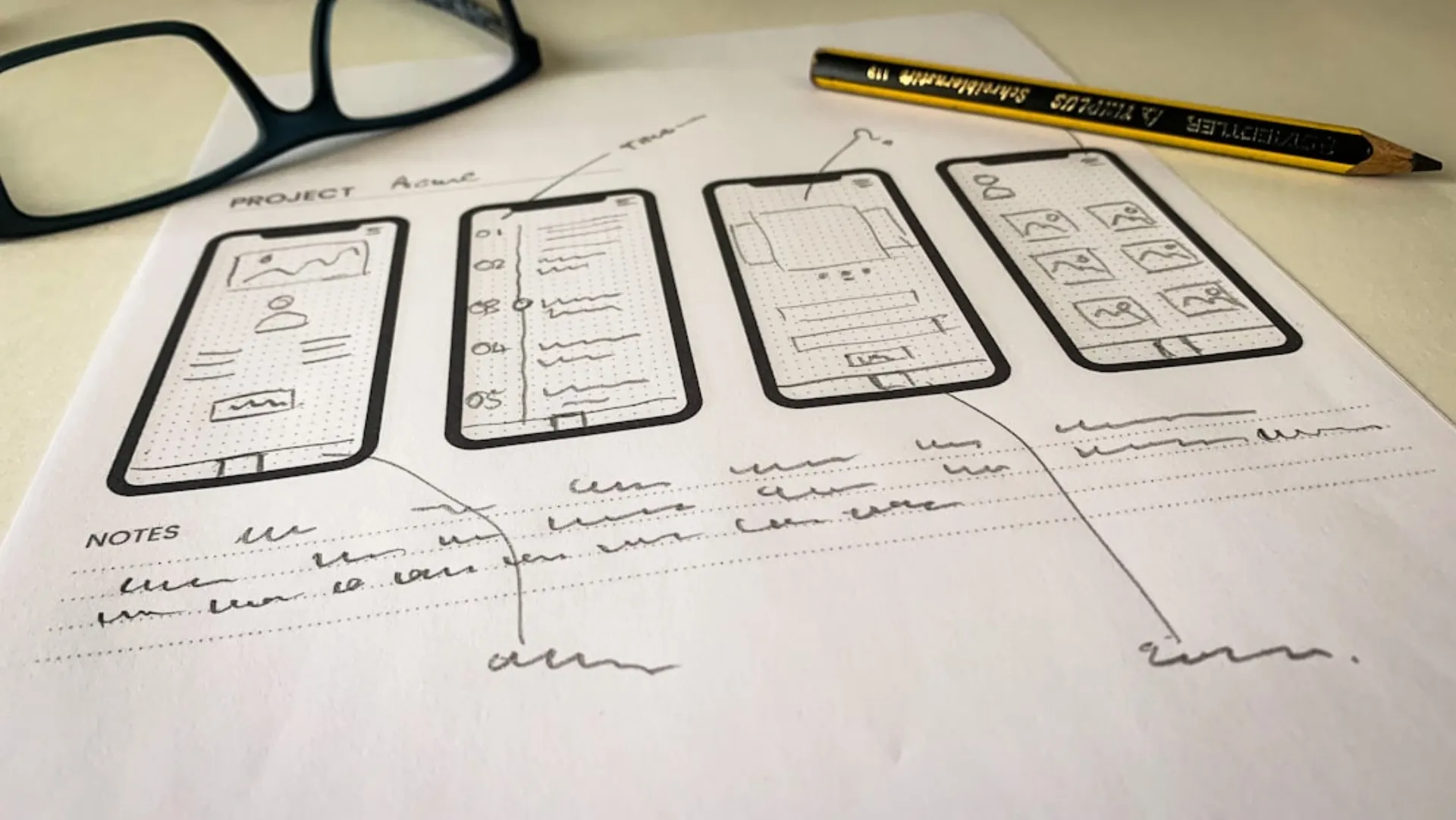
ZTABS builds MVPs for Paris startups and enterprises. We are remote-first by design from our office in Houston, Texas.
Paris has become a leading European tech hub, with significant venture funding and government support for technology entrepreneurship. Station F (the world's largest startup campus) hosts over a thousand startups. Paris-Saclay and Plateau de Saclay concentrate AI research and deeptech innovation. The French Tech ecosystem benefits from BPI France (public investment bank providing startup financing), the CIR R&D tax credit system (among the most generous in Europe), JEI (Jeune Entreprise Innovante) status for young innovative companies and a concentration of engineering talent from Grandes Ecoles (Polytechnique, CentraleSupelec, ENS). Paris has produced notable companies across AI (Mistral AI, Hugging Face), fintech, healthtech (Doctolib) and enterprise technology. Our broader MVP development capabilities are on the MVP development services page, and planning benchmarks are in the MVP development cost guide.
Paris MVP development has specific characteristics. French-first user interfaces: consumer products targeting the French market need French-language interfaces, customer support and content. The Toubon law requires French in certain commercial contexts. CNIL compliance: CNIL enforces GDPR in France and applies the cookie consent requirements from Article 5(3) of the ePrivacy Directive (2002/58/EC), transposed into French law as Article 82 of the Loi Informatique et Libertes, requiring consent before non-essential cookie access, with exemptions for strictly necessary cookies and qualifying audience measurement under CNIL's published criteria. Carte Bancaire payments: Carte Bancaire (CB) is the dominant payment method in France, with Visa and Mastercard also widely used. French payment gateways handle CB transactions alongside international card networks.
Paris MVP development at a glance
| Industry | MVP type | What we build |
|---|
| AI and deeptech | LLM applications, computer vision, NLP, robotics software | Products from Station F and Paris-Saclay research |
| Fintech | Payments, lending, wealthtech, insurance, regtech | Products with ACPR regulatory awareness |
| Healthtech | Telemedicine, clinical tools, digital therapeutics, pharmacy | Products with HAS and ANSM regulatory awareness |
| Enterprise | SaaS, workflow, compliance, analytics, HR tech | Products for French and European enterprise |
| Consumer | Marketplace, lifestyle, food tech, mobility | French-first consumer products |
AI and deeptech MVPs
Paris is the AI capital of Europe. Mistral AI, Hugging Face, Dataiku and other AI companies are headquartered in or have significant presence in Paris. The Paris-Saclay research cluster (INRIA, CEA, CNRS labs) produces research that translates into deeptech startups. AI MVPs from Paris address LLM applications (building on open-source models for specific use cases), computer vision (industrial inspection, medical imaging analysis, retail analytics), NLP (French language processing, document understanding, legal tech) and decision support systems for enterprise.
French-language AI
French NLP has specific requirements: accent handling, formal and informal registers, and domain-specific vocabularies. AI products serving French users need French-language models or multilingual models fine-tuned for French performance. The EU AI Act applies to AI systems based on risk classification. Whether specific AI applications fall into high-risk categories (such as certain biometric, employment or credit scoring uses) depends on the intended purpose and deployment context. The EU AI Act's phased timeline means different requirements apply at different dates. AI product regulatory scope should be assessed with legal counsel.
Building an AI or deeptech MVP in Paris?
Tell us your product concept, technology readiness and funding context. We will assess architecture, CNIL compliance and cost range using our published benchmarks.
Fintech MVPs
French fintech is regulated by the ACPR (Autorite de Controle Prudentiel et de Resolution) and the AMF (Autorite des Marches Financiers). The ACPR's FinTech Innovation Hub provides regulatory guidance and engagement for fintech companies developing innovative products. The ACPR Hub facilitates dialogue on regulatory questions but does not itself grant licences, approvals or exemptions. Fintech MVPs requiring regulated activity permissions must obtain appropriate ACPR authorisation before conducting covered activities. French fintech MVPs address payments (PSD2 open banking, payment initiation), lending (consumer and SME, subject to usury rate caps and responsible lending requirements), wealthtech (PEA, assurance-vie digital wrappers), insurance technology and regtech.
French payment integration
Carte Bancaire is the dominant payment method in France. MVPs targeting French consumers integrate CB through payment gateways (Stripe France, Mollie, Payplug, Lemonway). SEPA direct debit handles recurring payments. French mobile payment adoption is growing. For consumer products, the payment flow needs to handle CB, Visa, Mastercard and potentially PayPal and Apple Pay. Payment integration through established PSPs is well-documented.
Open banking products
PSD2 implementation in France enables open banking. French banks (BNP Paribas, Societe Generale, Credit Agricole, LCL) provide PSD2 APIs. Open banking MVPs address personal finance management, business cash flow analytics and automated accounting. Budget Insight (now Powens) is a French account aggregator commonly used for open banking integration.
Healthtech MVPs
French healthtech benefits from a large healthcare system (Securite sociale) and strong demand for digital health innovation (Doctolib's success demonstrates market appetite). The HAS (Haute Autorite de Sante) evaluates health technologies for reimbursement and publishes clinical guidelines. The ANSM (Agence Nationale de Securite du Medicament et des Produits de Sante) is the competent authority for market surveillance and safety oversight of medical devices, including SaMD; manufacturers' conformity assessment involves Notified Bodies where applicable under EU MDR. SaMD risk classification under EU MDR determines the regulatory pathway. Telemedicine products must comply with French telehealth regulations. HDS (Hebergeur de Donnees de Sante) certification is required under Article L1111-8 for third-party hosting of personal health data collected in covered healthcare delivery, prevention or social monitoring contexts on behalf of the collecting entity. The HDS obligation applies to the hosting activity on behalf of a covered data controller; not all health-related data or every hosting arrangement triggers HDS requirements.
HDS-certified hosting
HDS certification is required under Article L1111-8 of the Code de la sante publique for entities hosting personal health data on behalf of the person or organisation that collected it in the context of healthcare delivery, prevention, or social and medico-social monitoring. The HDS obligation applies to the hosting activity performed on behalf of a covered data controller; the specific scope depends on whether the hosting is performed by a third party on behalf of the collecting entity, the data type and the collection context. Cloud providers and hosting companies can obtain HDS certification. AWS, Azure and OVHcloud have HDS-certified offerings. For healthtech MVPs, this means selecting HDS-certified infrastructure from the beginning. HDS adds hosting cost but is a regulatory requirement, not an optional security enhancement.
Illustrative Example
Hypothetical: AI-Assisted Mental Health Platform MVP for French Market
A Paris healthtech startup at Station F would build a digital mental health platform for French-speaking patients.
MVP scope: French-language patient onboarding with symptom questionnaire, therapist matching algorithm, video consultation scheduling and delivery (GDPR-aware and HDS-aware video infrastructure with controls appropriate to the product's regulatory scope), between-session exercises and mood tracking, clinical dashboard for therapists showing patient progress between sessions, and billing integration with Securite sociale reimbursement codes (teleconsultation acts).
Architecture: Next.js frontend (French-first), Node.js backend, PostgreSQL hosted on HDS-certified infrastructure (OVHcloud Health or AWS HDS) where the product's hosting activity falls within Article L1111-8 scope, analytics configured for CNIL cookie consent requirements. Pilot with 5 to 10 therapists and an initial patient cohort. Validation: do patients complete onboarding, attend sessions and engage with between-session tools?
This is a hypothetical scenario for illustration. Actual scope, timeline and cost depend on your requirements.
Building a fintech or healthtech MVP in Paris?
Tell us your product concept, regulatory context and CIR eligibility assessment. We will assess architecture, CNIL compliance and cost range.
Station F and the Paris startup ecosystem
Station F hosts over a thousand startups across multiple programmes (Microsoft for Startups, Meta Catalyst, Ubisoft Entrepreneurs Lab and others). Paris-Saclay (south of Paris) concentrates research institutions and deeptech companies. The French Tech ecosystem is supported by BPI France (public investment bank providing grants, loans and equity investment), French Tech Visa (residence permit for international founders), French Tech Ticket and La French Tech community. Paris VC firms (Partech, Elaia Partners, Idinvest, Daphni) fund European-scale ambitions. The French startup ecosystem has specific cultural characteristics: strong technical education from Grandes Ecoles, emphasis on technical innovation (deeptech and AI rather than pure business model innovation) and a growing culture of entrepreneurship.
Enterprise and consumer MVPs
Paris enterprise SaaS addresses compliance automation, workflow management, HR technology (France has specific employment law requirements), analytics and collaboration tools. Consumer products targeting French consumers generally need French-language interfaces (the Toubon law requires French in certain commercial communications; B2B products or products targeting international audiences may have different language requirements). Analytics configured for CNIL cookie consent requirements are relevant for products processing personal data of individuals in France. French marketplace startups address food delivery, mobility, fashion, B2B services and professional marketplaces.
French HR technology
French employment law is complex and creates specific requirements for HR technology products. The Code du travail governs employment relationships, with specific rules for working time, overtime, leave entitlements, employee representation and termination procedures. HR technology MVPs addressing French companies need to handle French payroll complexity (numerous social charges, different conventions collectives), working time tracking (the 35-hour work week and overtime rules), leave management (RTT days, conges payes, conges exceptionnels) and employee representation requirements. Products that correctly handle French HR and payroll specifics serve a market where existing solutions often lack adequate French compliance. Integration with French payroll providers and accounting systems (FEC audit file requirements) adds additional complexity.
French-language architecture
Consumer products targeting the French market need French-language interfaces from launch. The Toubon law requires French in certain commercial communications. Beyond legal requirements, French consumers prefer French-language interfaces and are less likely to adopt English-only products than consumers in countries with higher English proficiency. French-language architecture decisions include content management strategy (how French content is created and maintained), French search engine optimisation (French keyword research, French meta descriptions), and French-specific UX patterns (French address formats, French phone number validation, French date formatting).
How delivery works
-
Discovery (1 to 2 weeks). Customer interviews with French target users. Regulatory assessment: ACPR, ANSM, CNIL, HAS applicability. CIR eligibility assessment (if applicable). Feature prioritisation.
-
Design sprint (1 week). French-language prototypes tested with target users. Carte Bancaire payment flow for consumer products.
-
Development (4 to 12 weeks). Two-week sprints. CNIL controls, French payment integration and core product built in parallel. HDS-certified hosting for healthtech products.
-
Launch and iteration. French market launch with early adopters. CNIL compliance check. Analytics and feedback. Post-launch iteration.
Our usual stack: Next.js for frontend and API layers with i18n and French-language support, Node.js or Python (FastAPI) for backend services, PostgreSQL for the database, and AWS (Paris region) or OVHcloud for infrastructure. Hosting in a French region is one component of data residency; full-stack residency also involves data flows, subprocessors, support access, backups, logs and contractual arrangements. HDS-certified hosting where the product's hosting activity falls within Article L1111-8 scope (OVHcloud Health, AWS HDS or equivalent). React Native for mobile MVPs. Technology choices depend on product requirements. For AI and deeptech products, Python backend services with FastAPI may be more appropriate than Node.js for ML pipeline integration. French infrastructure providers (OVHcloud, Scaleway) offer EU-sovereign alternatives to US cloud providers.
MVP product-type planning benchmarks
Our published cost guide provides these planning benchmarks by product type (USD):
| Product type | Cost range (USD) | Timeline |
|---|
| Landing page with waitlist | $3K to $8K | 1 to 3 weeks |
| Web app MVP | $10K to $30K | 4 to 10 weeks |
| Mobile app MVP | $20K to $50K | 8 to 14 weeks |
| Platform MVP | $40K to $80K | 12 to 20 weeks |
These are product-type benchmarks, not city-specific prices. Deeptech AI products, healthtech with HDS hosting requirements, CNIL-specific consent implementation and French-language interface development add complexity. See the full cost breakdown.
Vendor comparison
Our cost guide includes a vendor comparison scoped to a single-platform web MVP with authentication, 3 to 5 core features, Stripe integration, admin dashboard and an 8 to 12 week timeline:
| Vendor type | Typical cost range (USD) | Timeline | Tradeoffs |
|---|
| Freelancer | $6K to $25K | 6 to 14 weeks | Lower cost, variable quality. Ask about CNIL cookie compliance and HDS hosting experience |
| Offshore | $12K to $40K | 8 to 14 weeks | Lower cost. Ask about French regulatory knowledge and Carte Bancaire integration |
| Nearshore | $25K to $60K | 6 to 12 weeks | Ask about French-language interface quality and ACPR regulatory experience |
| US/EU agency (ZTABS tier) | $30K to $80K | 6 to 10 weeks | Production-quality architecture. Ask about CNIL consent depth and HDS hosting experience for your specific product |
| No-code | $2K to $15K | 2 to 8 weeks | Fast for simple products. Ask about deeptech and health data compliance for your needs |
French regulatory considerations
GDPR is enforced in France by CNIL. CNIL guidance on cookies and trackers requires consent before storing or accessing non-essential cookies on user devices (implementing Article 5(3) of the ePrivacy Directive (2002/58/EC), transposed into French law as Article 82 of the Loi Informatique et Libertes), with exemptions for strictly necessary cookies and qualifying audience measurement meeting CNIL's published conditions. The French Data Protection Act (Loi Informatique et Libertes) supplements GDPR with national provisions. ACPR regulates banking and insurance. AMF regulates securities. ANSM regulates medical devices. HAS evaluates health technologies. HDS certification is required for third-party hosting of covered personal health data under Article L1111-8. The Toubon law requires French language in certain commercial contexts. The EU AI Act applies to AI products based on risk classification. Specific regulatory applicability depends on the product and should be assessed with legal counsel familiar with French regulation.
French R&D tax incentives
CIR provides a 30% tax credit on qualifying R&D expenditure (first EUR 100 million) and 5% above that threshold. JEI (Jeune Entreprise Innovante) status provides social charges exemptions for qualifying young innovative companies. BPI France provides startup financing (grants, loans, equity investment) with specific programme eligibility criteria. Whether specific activities qualify for CIR or JEI depends on the entity, the technical novelty and the application. These are tax and grant matters that should be assessed with qualified French advisers.
Choosing an MVP development partner for Paris
| Option | Good for | What to verify |
|---|
| ZTABS (remote-first, Houston office) | Full-stack MVPs for AI, fintech and healthtech with CNIL compliance | Remote-first by design |
| French agency | Local meetings and French regulatory depth | Ask about CNIL consent implementation and HDS hosting |
| Offshore (North Africa) | French-speaking with moderate cost | Ask about CNIL-specific compliance and French payment integration |
| Freelance developer | Simple products with limited scope | Ask about HDS hosting and ACPR regulatory experience |
Post-MVP considerations
After pilot validation, the product evolves. Fintech products may need ACPR licensing. Healthtech products may need ANSM classification and HAS evaluation. AI products must comply with EU AI Act requirements according to risk classification and phased timeline. Phase plans are illustrative and agreed during scoping. Ongoing costs (hosting, API consumption, HDS hosting premium, CNIL compliance, monitoring), review and maintenance cycles and applicable taxes (including French TVA at 20%) are separate from the development engagement.
We also offer web development, AI development and digital marketing services.
Next step
Ready to build an MVP in Paris?
Send us your product concept, funding context and regulatory requirements. We will reply with a preliminary scope assessment, architecture approach and cost range using our published benchmarks.