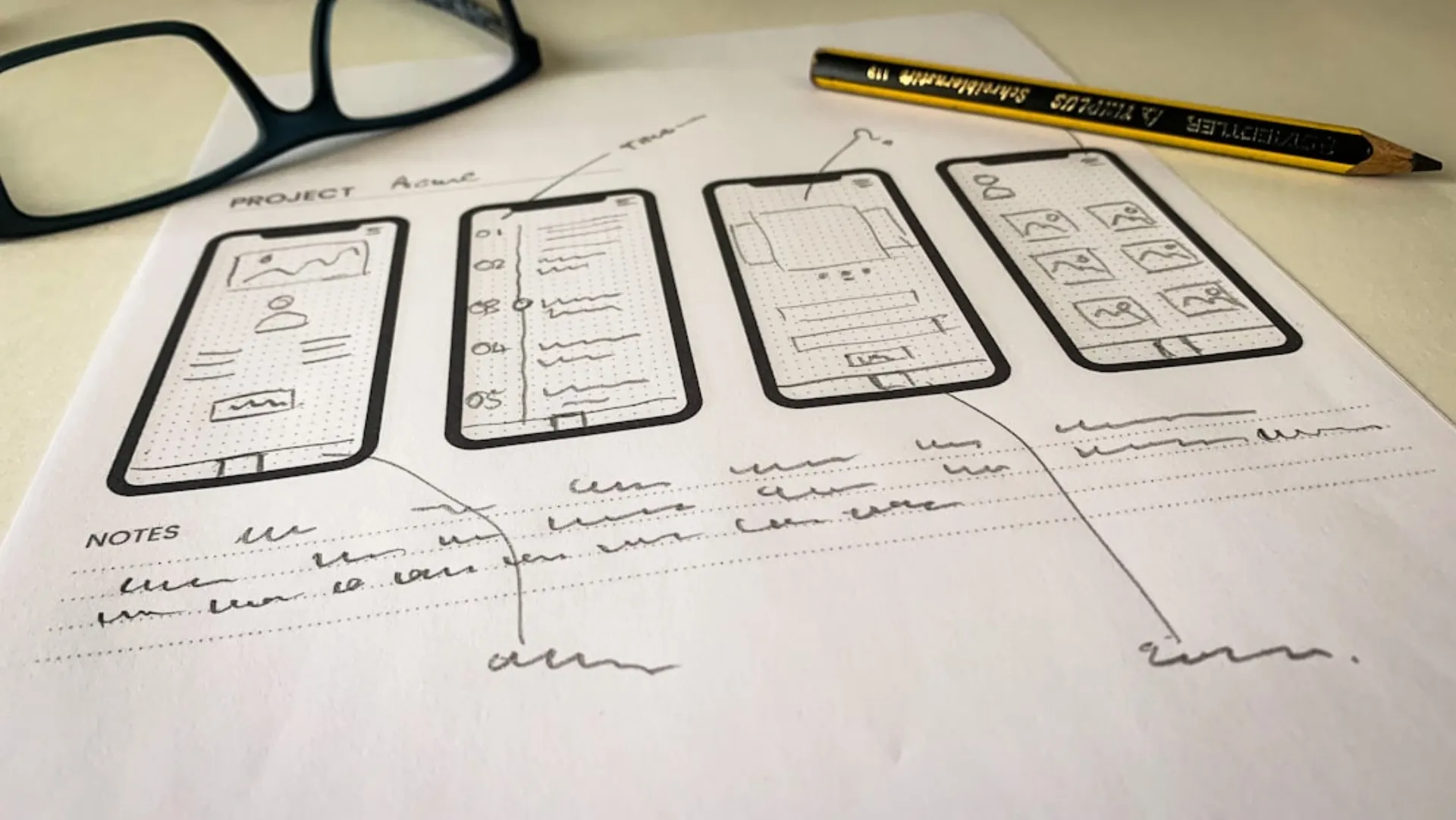
ZTABS builds MVPs for Washington DC startups and enterprises. We are remote-first by design from our office in Houston, Texas.
Washington DC's startup ecosystem is concentrated in government technology (GovTech), civic tech, defense technology and related sectors. The proximity to federal agencies, congressional offices, think tanks and federal innovation programmes (the United States DOGE Service (formerly USDS), Technology Modernization Fund, Other Transaction Authority procurement) creates a unique market where technology products serve government missions. DC startups often face procurement complexity that is fundamentally different from commercial software sales. Our broader MVP development capabilities are on the MVP development services page, and planning benchmarks are in the MVP development cost guide.
DC MVPs differ from commercial software MVPs in several important ways. Federal procurement cycles are longer and more complex. Compliance requirements (FedRAMP, FISMA, Section 508, CUI handling) add architectural constraints from the beginning. Government users have different technology environments, security requirements and approval processes. The upside is that government contracts can be large and long-term, and the problem-solution fit for government technology products is often clearer because government pain points are well-documented.
DC MVP development at a glance
| Industry | MVP type | What we build |
|---|
| GovTech | Agency workflow automation, document processing, citizen services | Products for federal and state agency modernisation |
| Civic tech | Transparency tools, public engagement, open data platforms | Products for civic organisations and advocacy |
| Defense tech | DoD innovation programme products, command and control, logistics | Products for defense innovation pathways |
| Federal health | VA technology, CMS tools, public health platforms | HIPAA-ready products for federal health agencies |
| Regulatory tech | Compliance monitoring, reporting automation, policy tracking | Products for regulatory compliance automation |
GovTech MVPs
GovTech startups build products that modernise government workflows, improve citizen services, automate document processing, enhance data analytics and support agency decision-making. Federal agencies have specific technology requirements that affect MVP architecture: FISMA compliance for information security, Section 508 accessibility, FedRAMP for cloud services used by agencies, and various data handling requirements depending on the sensitivity level.
Federal compliance architecture
FedRAMP authorization paths have evolved. The FedRAMP Program Certification and Rev 5 transition paths coexist with the FedRAMP 20x initiative, which introduced streamlined paths (including automated validation and continuous assessment options) for eligible cloud service offerings. Some 20x paths can proceed without a traditional agency sponsor. The specific path depends on the cloud service offering type, intended use, risk profile and programme eligibility. FedRAMP certification applies to the cloud service offering, not to applications running on certified infrastructure; deploying on AWS GovCloud does not confer FedRAMP authorization on the application itself. FedRAMP is based on NIST 800-53 controls at Low, Moderate or High impact levels. DoD environments use Impact Levels (IL2/IL4/IL5) with additional requirements. Current authorization paths and eligibility criteria are published at fedramp.gov.
For MVPs, building with FedRAMP-ready architecture means implementing NIST 800-53 controls appropriate to the target impact level from the beginning. This includes access controls, audit logging, encryption, configuration management, incident response planning and continuous monitoring. We build these patterns into MVP architecture so the product is positioned for the FedRAMP authorisation process when the agency relationship matures.
Section 508 accessibility
Section 508 requires federal agencies to ensure their ICT is accessible. The baseline standard references WCAG 2.0 Level A and Level AA success criteria, with specific exemptions (such as national security systems and certain incidental ICT). Products sold to or used by federal agencies can document accessibility conformance through an Accessibility Conformance Report (ACR), commonly using the VPAT format. We implement accessibility testing and WCAG compliance throughout the development process, not as an afterthought.
Illustrative Example
Hypothetical: Federal Document Processing MVP
A DC GovTech startup would build an AI-assisted document processing MVP targeting a specific federal agency workflow that currently involves manual review of structured forms and supporting documents.
MVP scope: document upload and classification, optical character recognition (OCR) for structured forms, extraction of key data fields, confidence scoring for extracted data, and a review interface for human analysts to verify and correct AI-extracted data. The product assists human reviewers rather than making autonomous decisions on government documents.
Architecture: Next.js frontend for the review interface, Python backend with FastAPI for ML pipeline (OCR, NLP extraction), PostgreSQL for document metadata and review results, AWS GovCloud for FedRAMP-ready deployment. Section 508-compliant interface. Pilot with one agency division, one document type, defined accuracy targets. Validation: does AI-assisted extraction reduce human review time per document?
This is a hypothetical scenario for illustration. Actual scope, timeline and cost depend on your requirements.
Building a GovTech or civic tech MVP in DC?
Tell us your product concept, target agency and compliance requirements. We will assess FedRAMP readiness, 508 accessibility and cost range using our published benchmarks.
Defense technology MVPs
Defense tech startups use procurement pathways like Other Transaction Authority (OTA), Small Business Innovation Research (SBIR) and Small Business Technology Transfer (STTR) to bring commercial technology to defense applications. These MVPs need to account for higher security requirements (CUI handling, potential classified environment deployment) and DoD-specific standards.
DoD innovation pathways
OTA agreements allow DoD organisations to work with non-traditional defense contractors for research, prototyping and production without full Federal Acquisition Regulation (FAR) compliance. SBIR and STTR programmes provide phased funding for small businesses to develop technology with military applications. MVPs for these programmes typically demonstrate technical feasibility in Phase I and develop prototypes in Phase II.
Defense tech MVPs may need to operate in environments with restricted connectivity, support deployment on government-owned infrastructure and meet specific security standards. Architecture decisions made at the MVP stage affect the product's ability to obtain Authority to Operate (ATO) for production deployment.
Civic technology MVPs
Civic technology products serve non-profit organisations, advocacy groups, transparency initiatives and public engagement platforms. These MVPs often have different success metrics from commercial products: public impact, citizen engagement, transparency improvements and policy influence rather than revenue and growth.
Civic tech MVPs may involve open data integration (data.gov, city and state open data portals), public records processing, legislative tracking, constituent communication and community organising tools. These products often need to work with messy, inconsistent government data sources and provide accessible interfaces for diverse user populations.
Federal health technology MVPs
The VA (Department of Veterans Affairs), CMS (Centers for Medicare and Medicaid Services), NIH and other federal health agencies create opportunities for health technology MVPs that serve government healthcare missions. VA technology products need to account for VistA and the transition to the Cerner/Oracle Health EHR, as well as veteran-specific healthcare needs. CMS technology may involve claims data analysis, quality measurement and programme integrity. These products operate at the intersection of healthcare regulation (HIPAA) and federal technology requirements (FedRAMP, FISMA, Section 508).
Technology Modernization Fund and innovation pathways
The Technology Modernization Fund (TMF) provides funding for federal agencies to modernise technology systems. The United States DOGE Service (formerly US Digital Service, renamed January 2025) works on government technology. OTA (Other Transaction Authority) allows certain agencies with specific statutory authority to enter into agreements with non-traditional defense contractors for research, prototyping and (with certain conditions) production, outside of full FAR compliance. SBIR and STTR programmes provide competitively awarded phased funding for small businesses meeting specific eligibility criteria, through specific solicitations. These pathways create opportunities for technology companies to engage with federal agencies during the MVP and prototype stages. Government procurement timelines vary significantly by agency, programme and contract vehicle.
DC venture and innovation ecosystem
The DC area's venture capital ecosystem (Revolution, NEA, Columbia Capital, In-Q-Tel) invests in GovTech, cybersecurity, defense tech and health IT. In-Q-Tel is the CIA's strategic venture capital firm, investing in technologies relevant to the intelligence community. Revolution's Rise of the Rest invests in startups outside traditional tech hubs. DC-area accelerators (1776, Mach37 for cybersecurity, Dcode for GovTech) help startups navigate federal procurement.
Building a defense tech or regulatory tech MVP in DC?
Tell us your product concept, procurement pathway and security requirements. We will assess architecture, compliance scope and cost range.
Regulatory technology MVPs
Washington DC's concentration of regulatory agencies (SEC, FTC, EPA, FDA, CFPB, FCC and others) creates demand for regulatory technology products that help businesses monitor, analyse and comply with federal regulations. RegTech MVPs address compliance monitoring, regulatory change tracking, reporting automation, policy analysis and enforcement data analytics. These products serve both the regulated industries (financial services, healthcare, environmental, telecommunications) and the law firms, consultancies and compliance teams that advise them.
RegTech MVPs commonly involve integration with federal data sources: the Federal Register for regulatory changes, SEC EDGAR for financial filings, FDA databases for drug and device approvals, and other agency-specific data repositories. Natural language processing can help extract actionable information from regulatory documents, but the products should assist compliance professionals rather than replace legal judgment.
How delivery works
-
Discovery (1 to 2 weeks). Customer interviews with agency contacts, contracting officers or civic tech stakeholders. Compliance assessment: FedRAMP impact level, FISMA, Section 508, CUI handling. Feature prioritisation.
-
Design sprint (1 week). Five-day design sprint producing clickable prototypes. Section 508-compliant design from the start. Tested with target users (government analysts, citizens, military personnel) before engineering begins.
-
Development (4 to 12 weeks). Two-week sprints with stakeholder demos. FedRAMP-ready controls, 508 accessibility and FISMA requirements built alongside product features. Continuous deployment to staging.
-
Pilot deployment and iteration. Pilot with the target agency or organisation. Measurement against pre-defined success metrics. Post-pilot decision: continue, pivot or stop.
Our usual stack: Next.js for frontend and API layers, Node.js for backend services, PostgreSQL for the database, and AWS (GovCloud for FedRAMP-ready deployments) for infrastructure. Python with FastAPI for AI/ML products. Technology choices depend on specific product requirements and target deployment environment.
MVP product-type planning benchmarks
Our published cost guide provides these planning benchmarks by product type:
| Product type | Cost range | Timeline |
|---|
| Landing page with waitlist | $3K to $8K | 1 to 3 weeks |
| Web app MVP | $10K to $30K | 4 to 10 weeks |
| Mobile app MVP | $20K to $50K | 8 to 14 weeks |
| Platform MVP | $40K to $80K | 12 to 20 weeks |
These are product-type benchmarks, not city-specific prices. Actual costs depend on scope, complexity, FedRAMP readiness requirements, Section 508 accessibility, security controls and federal integration needs. See the full cost breakdown.
Vendor comparison
Our cost guide includes a vendor comparison scoped to a single-platform web MVP with authentication, 3 to 5 core features, Stripe integration, admin dashboard and an 8 to 12 week timeline:
| Vendor type | Typical cost range | Tradeoffs |
|---|
| Freelancer | $6K to $25K | Lower cost, variable quality. Ask about NIST 800-53 controls experience and 508 testing depth |
| Offshore | $12K to $40K | Lower cost, timezone and communication challenges. Ask about federal compliance awareness |
| Nearshore | $25K to $60K | Moderate cost. Ask about FedRAMP-ready architecture and government UX experience |
| US agency (ZTABS tier) | $30K to $80K | Production-quality architecture. Ask about FedRAMP/FISMA and federal compliance depth for your specific product |
| No-code | $2K to $15K | Fast for simple products. Ask about federal compliance and accessibility capability for your needs |
These ranges are for the specific web MVP scope described above. FedRAMP-ready, defense and multi-compliance products have additional complexity.
DC and federal regulatory considerations
Federal technology products must comply with FISMA (Federal Information Security Modernization Act), which requires information security programmes based on NIST standards. FedRAMP provides a standardised approach to security assessment, authorisation and continuous monitoring for cloud services used by federal agencies. Section 508 requires accessibility. CUI (Controlled Unclassified Information) handling adds data protection requirements. HIPAA applies to products handling PHI for federal health agencies (VA, CMS, NIH).
DC itself does not have a comprehensive state-level consumer privacy law. Federal regulations (FTC Act, CAN-SPAM, COPPA) apply as elsewhere. For products serving government agencies, the primary compliance framework is federal (FISMA, FedRAMP, NIST) rather than state privacy law. Regulatory applicability depends on the specific product and agency, and should be assessed with legal counsel and the contracting office.
Choosing an MVP development partner for DC
| Option | Good for | What to verify |
|---|
| ZTABS (remote-first, Houston office) | Full-stack MVPs for GovTech and civic tech with FedRAMP-ready and 508-accessible architecture | Remote-first by design |
| DC-based GovTech studio | Local network and agency connections | Ask about FedRAMP authorisation experience and 508 depth |
| Offshore team | Budget-constrained prototyping | Ask about security clearance limitations and federal compliance knowledge |
| Freelance developer | Simple products with limited scope | Ask about NIST 800-53 controls and government UX experience |
Post-MVP considerations
After pilot validation, the product moves toward full FedRAMP authorisation, ATO and production deployment. Government procurement timelines are longer than commercial software; the path from successful pilot to full production contract varies significantly depending on the agency, procurement vehicle and programme. Phase plans, contract vehicles and growth trajectory depend on the specific agency relationship and procurement pathway. Ongoing costs (hosting on GovCloud, 3PAO assessment fees, continuous monitoring, compliance documentation), review and maintenance cycles and applicable taxes are separate from the development engagement.
For DC startups, post-MVP priorities commonly include pursuing the appropriate FedRAMP authorization path (which may or may not require a traditional agency sponsor depending on the offering type and programme eligibility), obtaining Authority to Operate (ATO) for production deployment within specific agencies, building the compliance documentation package, and expanding from one agency division to broader agency deployment or additional agencies.
The DC area's unique government technology market, with its distinct procurement pathways, compliance requirements and agency mission focus, creates opportunities for technology companies that understand the federal landscape. Products validated through agency pilots and OTA agreements are positioned for broader government adoption.
We also offer web development, AI development and cloud services.
Next step
Ready to build an MVP in Washington DC?
Send us your product concept, target agency and compliance requirements. We will reply with a preliminary scope assessment, architecture approach and cost range using our published benchmarks.