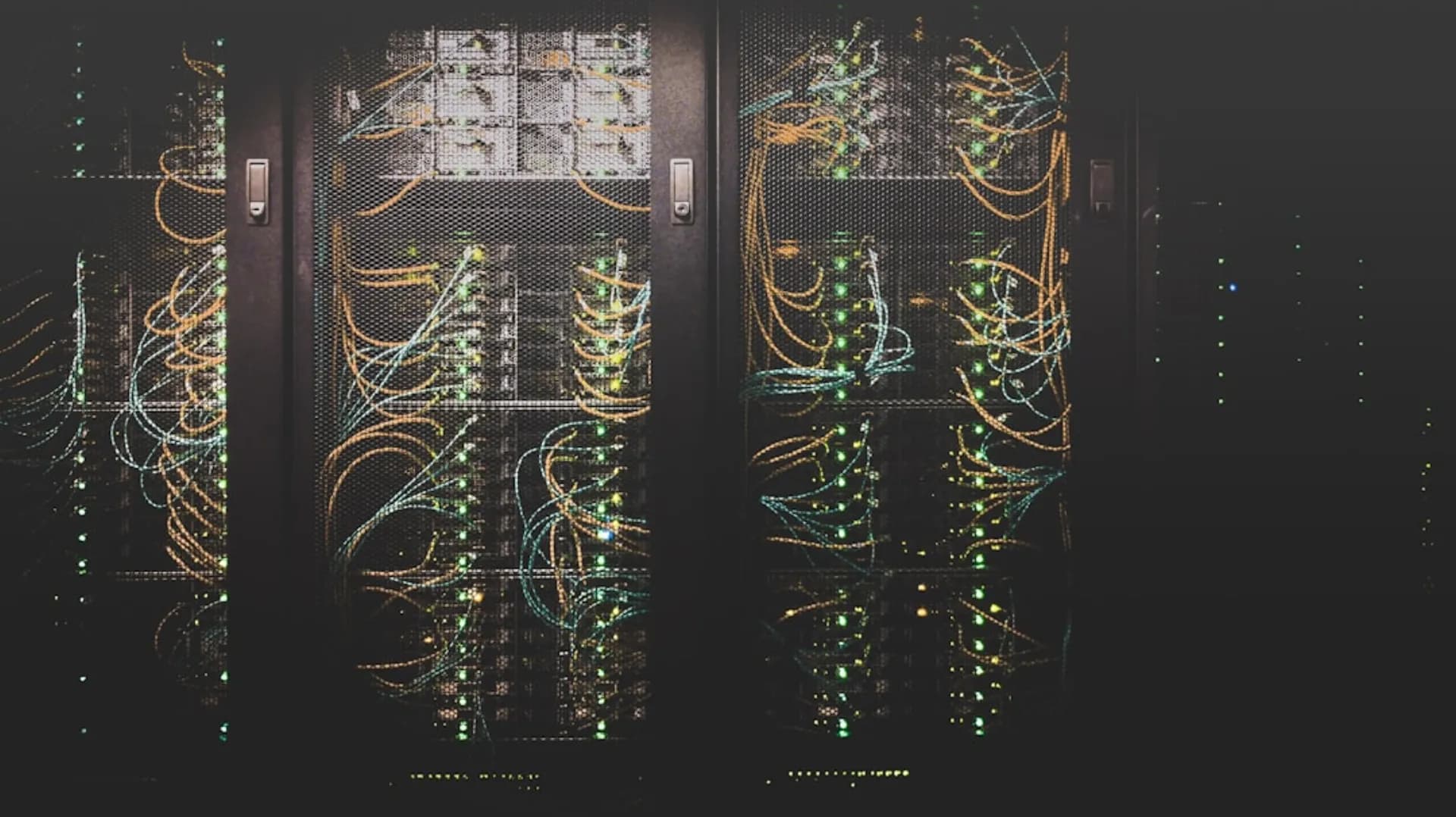
Our Abu Dhabi self-hosted AI methodology addresses sovereign deployment, Arabic AI optimisation, and regulated infrastructure management. Infrastructure design: Abu Dhabi-optimised. GPU infrastructure: designing self-hosted AI infrastructure for Abu Dhabi conditions — high ambient temperatures (data centre cooling for GPU thermal management in Abu Dhabi climate), power considerations (GPU clusters consuming significant power — infrastructure designed for Abu Dhabi power availability and cooling efficiency), and GPU selection (NVIDIA A100 or H100 GPUs sized for the organisation's AI workload — right-sizing to avoid over-provisioning while ensuring capacity for growth). Deployment options: on-premises (organisation's own data centre — maximum control and data sovereignty for government classified workloads), colocation (UAE data centres — Etisalat, du, or Khazna — providing professional hosting with organisation-controlled GPU hardware), or private cloud (Azure Stack Hub or similar on-premises cloud platform — combining cloud management capabilities with on-premises data sovereignty). Network architecture: designing the AI infrastructure network for Abu Dhabi requirements — high-bandwidth internal connectivity for model serving, secure API endpoints for application integration, and (where required) air-gapped deployment for classified workloads. Model deployment: Falcon and beyond. Falcon LLM deployment: deploying TII Falcon models on Abu Dhabi infrastructure — Falcon-7B (efficient, suitable for many production tasks), Falcon-40B (high capability for complex Arabic language tasks), or Falcon-180B (maximum capability for demanding applications). Deployment stack: vLLM or TGI (Text Generation Inference) for model serving — optimised for throughput and latency on the selected GPU infrastructure. Quantisation: deploying quantised models (GPTQ, AWQ) where appropriate — reducing GPU memory requirements and increasing throughput while maintaining acceptable quality for the use case. Arabic fine-tuning: fine-tuning Falcon models on Abu Dhabi-specific corpora — government Arabic, regulatory frameworks, energy terminology, and domain-specific knowledge. Fine-tuning: conducted on the self-hosted infrastructure — training data never leaving the organisation's control. Multi-model serving: deploying multiple models on shared GPU infrastructure — a smaller model for simple tasks (classification, extraction), a larger model for complex tasks (generation, reasoning), and specialised models for specific domains (Arabic OCR, document understanding). Model orchestration: routing requests to the appropriate model based on task complexity and requirements. MLOps: production AI operations. Self-hosted MLOps: model registry (tracking model versions, training data, performance metrics — providing the audit trail required by FSRA and ADDA), inference monitoring (tracking model performance in production — latency, throughput, error rates, and model output quality metrics), model updates (controlled model update process — new model versions tested in staging, validated against quality benchmarks, and promoted to production through an approval workflow. For regulated environments: model updates approved by compliance before production deployment), GPU resource management (monitoring GPU utilisation, memory usage, and inference queue lengths — scaling GPU allocation across models based on demand patterns), and security (AI infrastructure security — network segmentation, access controls, encryption at rest and in transit, audit logging, and regular security assessment. For government: meeting ADDA security control requirements. For ADGM: meeting FSRA technology governance expectations).