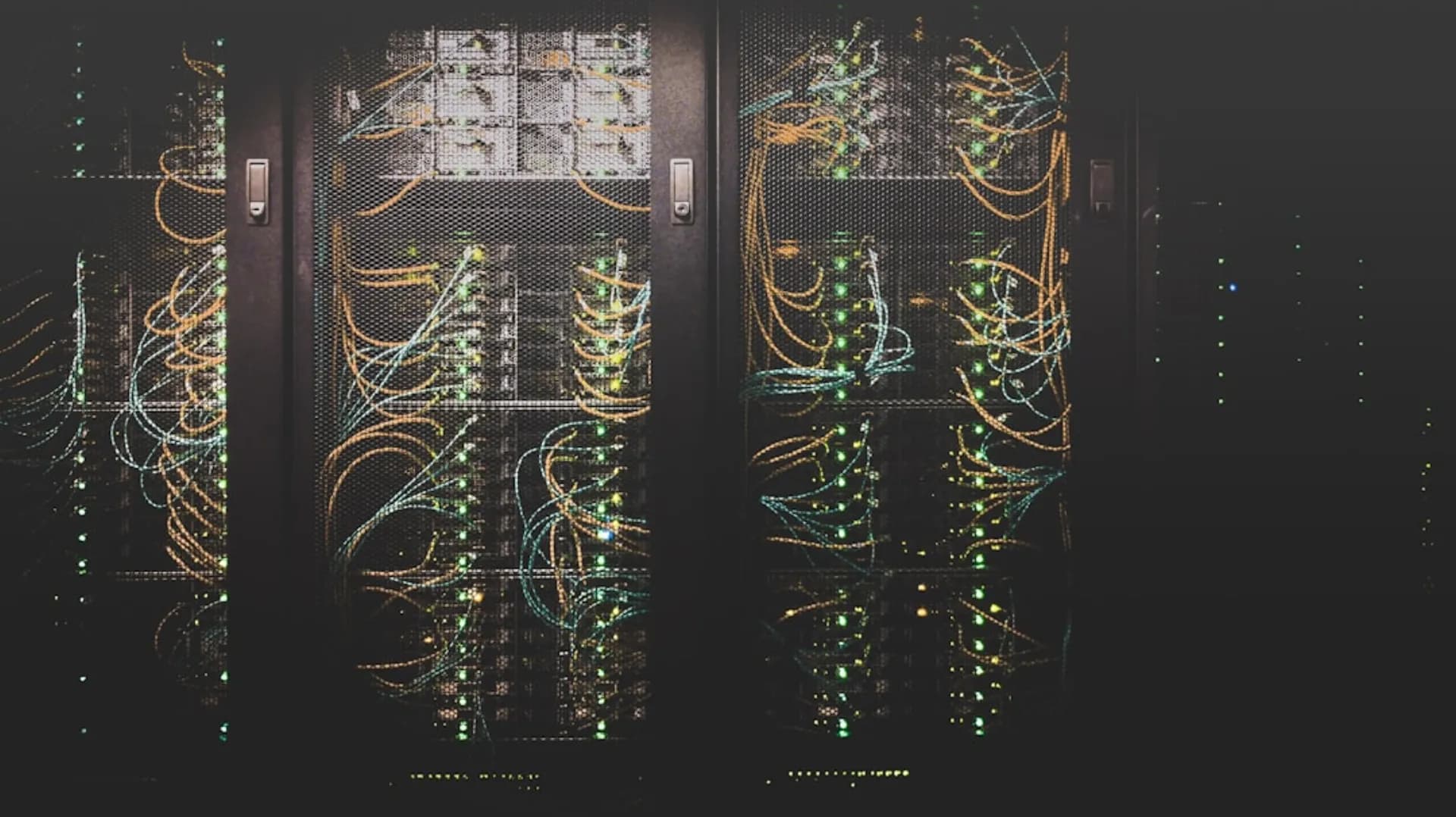
Our Doha self-hosted AI methodology designs, deploys, and operates AI infrastructure within Qatari facilities. Infrastructure design and deployment builds GPU-powered AI platforms in Qatar: hardware specification (specifying: GPU servers optimised for: the client's AI workloads. For LLM inference (running language models): NVIDIA A100 80GB or H100 GPUs — typically: 4-8 GPUs per server, 2-4 servers for: organisational-scale LLM deployment. For ML inference (running prediction models): NVIDIA A100 or L40 GPUs — fewer GPUs needed, but: high availability required for: real-time inference services. For training and fine-tuning: larger GPU clusters — 8-16 GPUs minimum for: meaningful fine-tuning of: large language models. Storage: NVMe SSDs for: model weight loading (fast startup), enterprise storage for: document collections and training data), networking and security (AI servers deployed within: the organisation's existing network security perimeter. API endpoints: internal only (AI services accessible from: organisational applications via: internal network — not: exposed to the internet). Authentication: integration with: existing identity management (Active Directory, LDAP). Authorisation: role-based access control (who can: query which AI models, who can: upload training data, who can: modify model configurations). Audit logging: all AI interactions logged (who queried what, when, what response was generated) — critical for: banking compliance (QCB audit trail requirements) and: government accountability), deployment in Qatari facilities (on-premises: GPU servers installed in the client's existing data centre (most Qatari banks and energy companies operating: their own data centres with: available rack space and power capacity). Meeza hosting: GPU servers deployed in Meeza's Tier III/IV data centres (for clients who: don't have their own data centre, or: want dedicated AI infrastructure separate from: operational IT). Co-location: GPU servers in: shared data centre facilities — with: dedicated hardware, isolated networking, and: Qatar data residency compliance)), and high availability design (AI services running as: highly available clusters — GPU server failure not: taking down AI services. Redundancy: N+1 GPU servers (one extra server beyond: minimum required). Load balancing: AI requests distributed across: available GPU servers. Health monitoring: automated health checks detecting: GPU failures, memory issues, and: model loading errors — with: automatic failover to: healthy servers)). Model selection, fine-tuning, and deployment selects and optimises AI models for Qatari use cases: Arabic-capable model selection (choosing: the right base model for each use case. For Arabic language AI: Jais (Arabic-English bilingual LLM — specifically trained on: Arabic data, including: Gulf Arabic), Falcon (bilingual, strong Arabic), or: LLaMA/Mistral with: Arabic fine-tuning. For general-purpose AI with Arabic support: LLaMA 3.1 70B or Mistral Large — fine-tuned on: Arabic data from: the client's domain. For specialised tasks (classification, NER, sentiment): smaller models — Arabic BERT, CAMeL, or: custom-trained task models — running efficiently on: single GPUs), domain fine-tuning (adapting models to client-specific language and knowledge: banking fine-tuning (training on: the bank's historical documents, customer service logs, compliance reports — the model learning: banking-specific Arabic terminology, product names, and: regulatory language). Government fine-tuning (training on: government correspondence, policy documents, and: regulatory texts — the model learning: formal Arabic government language, ministry-specific terminology, and: document formats). Energy fine-tuning (training on: technical reports, safety documents, and: operational procedures — the model learning: energy industry terminology in: Arabic and English)), and RAG (Retrieval-Augmented Generation) deployment (for most enterprise use cases: the AI model doesn't need to: memorise all organisational knowledge — instead: RAG retrieves relevant documents from: the organisation's document collection, then: the LLM generates responses based on: the retrieved documents. This approach: reduces hallucination (the model grounded in: actual organisational documents), enables knowledge updates (new documents added to: the collection without: model retraining), and: maintains accuracy (responses traceable to: source documents — critical for: banking compliance and: government accountability). RAG infrastructure: document embedding pipeline (converting organisational documents to: vector representations), vector database (storing and: searching document embeddings — Milvus, Weaviate, or: pgvector), and: retrieval-generation pipeline (combining: search results with: LLM prompt for: grounded response generation))). Operations and monitoring ensures AI infrastructure performs reliably: GPU monitoring (tracking: GPU utilisation (is the hardware being: efficiently used?), GPU temperature (critical in Qatar — ambient temperatures affecting: data centre cooling loads), GPU memory (are models fitting: within available memory?), and: inference latency (are AI responses: fast enough for: the application requirements?)), model performance monitoring (tracking: model accuracy over time (are AI responses maintaining: quality?), detecting: model drift (is the model's performance: degrading as: real-world data evolves?), and: monitoring: user feedback (are users: satisfied with: AI outputs — or: are error rates increasing?)), and cost optimisation (GPU infrastructure is: expensive — monitoring: utilisation to: right-size the deployment. If GPU utilisation is: consistently below 50%: the infrastructure is over-provisioned — scaling down saves: significant capital. If GPU utilisation is: consistently above 80%: the infrastructure may need: expansion to maintain: performance during peak usage)).