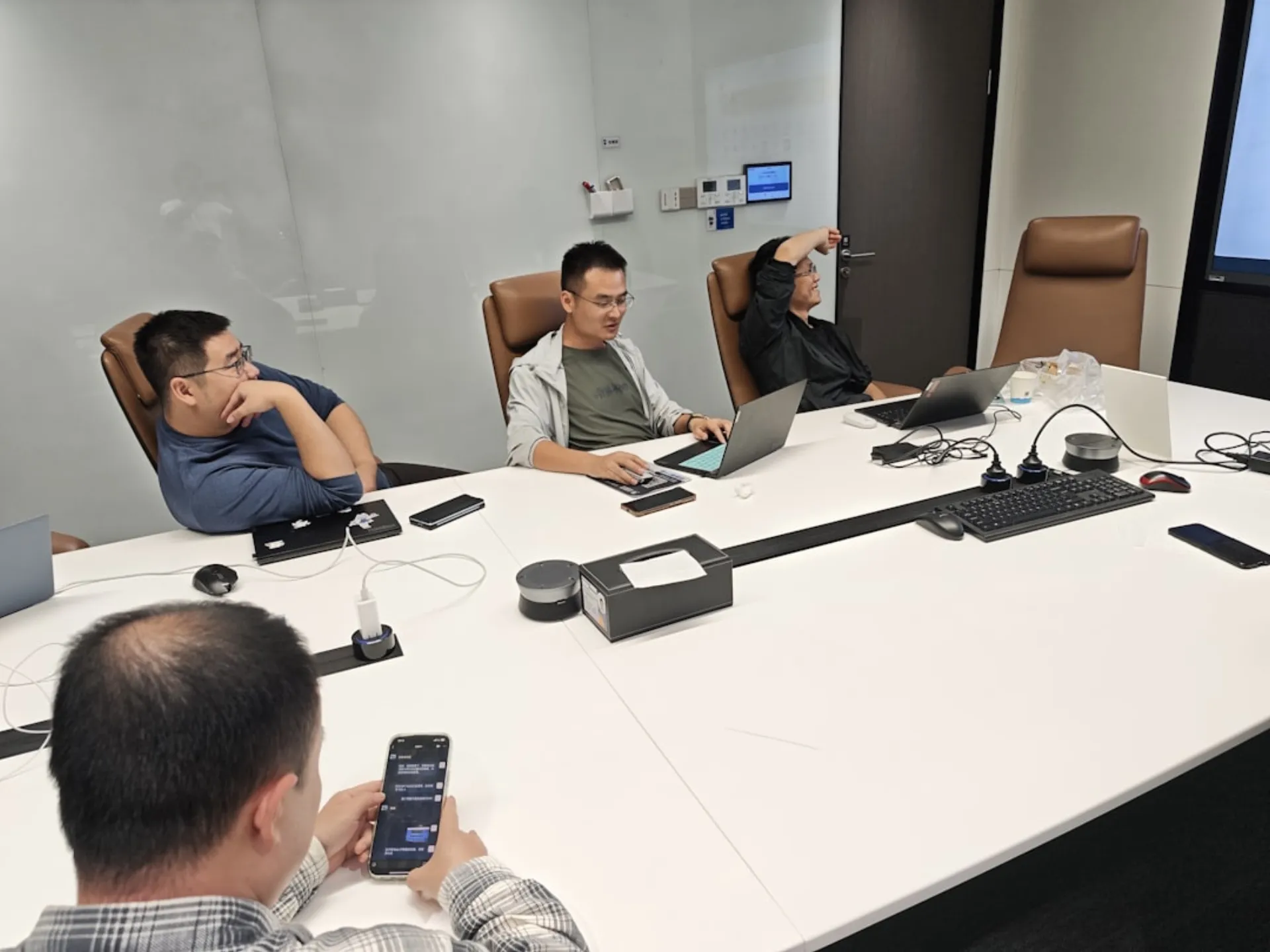
IT consulting in Houston serves America's energy capital and one of the largest US metropolitan areas where energy companies drive massive digital transformation investment, the Texas Medical Center represents the world's largest medical complex, petrochemical facilities along the Ship Channel create specialised OT security requirements and the Port of Houston handles the most foreign tonnage of any US port. Houston's technology consulting landscape reflects energy sector dominance, healthcare complexity, industrial safety culture and the Texas regulatory context including the TDPSA privacy law. ZTABS provides IT consulting from our Houston, Texas office, remote-first by design.
Our AI development services and cloud services complement Houston IT consulting engagements.
Houston consulting at a glance
| Sector | Consulting need | Key requirement |
|---|
| Energy | Digital transformation, cloud, data, OT | E&P, midstream, downstream |
| Healthcare | Strategy, interoperability, security, telehealth | TMC, HIPAA, Epic/Cerner |
| Industrial | OT security, IT/OT convergence, compliance | IEC 62443, safety-critical |
| Port/logistics | Terminal modernisation, cargo, customs | Scale, integration |
| Professional services | Cloud migration, security, compliance | Law firms, engineering firms |
Energy IT consulting
E&P digital transformation consulting for upstream oil and gas operators and service companies. Evaluating data platform strategies for seismic interpretation, drilling optimisation, production monitoring and reservoir management. Cloud strategy for compute-intensive workloads that historically required on-premises HPC.
Midstream data strategy for pipeline operators, gathering systems and midstream companies. SCADA data integration, pipeline integrity analytics, regulatory compliance systems and operational technology modernisation. Midstream operations generating continuous data streams from thousands of monitoring points.
Downstream technology consulting for refineries and petrochemical plants. Process control system evaluation, manufacturing execution system strategy, maintenance management modernisation and environmental compliance technology. Houston Ship Channel hosting one of the world's largest petrochemical complexes with dozens of interconnected facilities creating distinctive technology consulting requirements around intercompany data exchange, emergency response coordination and environmental monitoring.
Oilfield services technology consulting for Houston-headquartered oilfield service companies. Digital technology strategy, remote monitoring, equipment management and field service optimisation technology for companies supporting E&P operators worldwide.
Renewable energy transition consulting for traditional Houston energy companies adding wind, solar and battery storage to their portfolios. Technology strategy for managing hybrid conventional and renewable operations with different data systems, regulatory requirements and operational models.
Energy trading technology advisory for commodity trading operations. ETRM system evaluation, market data integration, risk management technology and regulatory compliance infrastructure.
Carbon management technology advisory for energy companies managing emissions reporting, carbon credits, offset programmes and ESG disclosure technology. Texas energy companies increasingly needing carbon management capabilities as stakeholder requirements evolve.
Field operations technology strategy for E&P and midstream companies with distributed field assets. Mobile workforce management, field data capture, remote monitoring and connectivity solutions for field operations where cellular coverage varies.
Healthcare IT consulting
TMC ecosystem strategy for health systems and research institutions operating within or connected to the Texas Medical Center. Technology strategy addressing the complexity of multiple independent institutions sharing infrastructure, patients and research data.
Epic and Oracle Health (Cerner) strategy consulting for health systems evaluating, implementing or optimising EHR platforms. Vendor selection advisory, implementation planning, workflow optimisation and integration strategy. Understanding actual platform capabilities and limitations rather than vendor marketing.
Interoperability consulting for health information exchange, FHIR integration strategy and patient data portability across provider organisations. FHIR and SMART scopes and consent records support interoperability but are not automatic enforcement mechanisms. Understanding actual HIE capabilities and limitations.
Telehealth technology strategy for post-pandemic permanent telehealth operations. Platform evaluation, clinical workflow integration, billing integration and quality measurement for virtual care delivery. Rural health connectivity for Texas communities outside metropolitan Houston.
Clinical research technology consulting for TMC research institutions. CTMS evaluation, electronic data capture strategy, biobank technology and research data management. TMC conducting thousands of clinical trials creating substantial research technology requirements.
HIPAA security consulting including security risk assessment, security programme evaluation, incident response planning and business associate agreement review. HIPAA covered entities are health plans, healthcare clearinghouses and providers that transmit health information electronically in connection with an HHS-standard transaction. Business associates handle PHI on behalf of a CE or another BA and have separate direct and contractual obligations. Understanding the interaction between HIPAA and Texas health privacy provisions.
Need IT consulting for your Houston business?
Share your current technology landscape, business challenges and consulting needs. ZTABS consults from our Houston office.
Industrial OT consulting
OT security posture assessment for Houston petrochemical, refining and manufacturing facilities. Evaluating current security controls against IEC 62443 and NIST SP 800-82 frameworks. Identifying gaps between IT security practices and OT-specific requirements.
IT/OT convergence strategy for industrial organisations connecting previously isolated operational technology to enterprise IT networks. Understanding the actual facility and asset owner responsibilities with vendor-authorised read and control boundaries. Read-only OPC UA is not physically a one-way network.
SCADA and DCS modernisation strategy for control system modernisation. Evaluating upgrade paths, vendor roadmaps, cybersecurity implications and business case for control system investment. Balancing modernisation with operational continuity.
Safety system technology consulting for safety instrumented systems and emergency shutdown systems. Technology that must meet SIL requirements where failure has safety consequences. Understanding the distinction between safety system technology advisory and licensed safety engineering.
Process historian strategy for industrial operations. Evaluating OSIsoft PI, Aveva Historian and alternatives for time-series data from SCADA and DCS systems. Understanding historian architecture, data compression, retrieval performance and integration with analytics platforms. Process historians as foundational data infrastructure for industrial analytics.
Remote operations technology strategy for distributed energy and industrial assets. Centralised monitoring and control capabilities, connectivity requirements and cybersecurity for remote access. Remote operations centre design and technology selection for managing distributed assets from Houston headquarters.
Industrial network architecture consulting for petrochemical and refining environments. Network segmentation, DMZ design between IT and OT networks, firewall strategy and intrusion detection for industrial environments. Understanding Purdue model principles while adapting to modern hybrid architectures.
Port and logistics technology
Terminal modernisation consulting for Port of Houston container terminal operators. Terminal operating system evaluation, gate automation strategy, yard management optimisation and equipment telematics.
Cargo visibility technology strategy connecting shipping lines, terminals, truckers, rail and customs into end-to-end supply chain visibility. Integration complexity with dozens of independent operators and legacy EDI-based communication systems requiring modernisation alongside operational continuity.
Port community system consulting for shared technology platforms connecting port stakeholders. Evaluating port community system options, stakeholder integration requirements and technology governance for multi-party platforms serving Houston's port ecosystem.
Customs technology consulting for CBP compliance, ACE integration and automated customs documentation. Technology supporting trade compliance for the nation's largest foreign tonnage port.
Maritime cybersecurity consulting for port facilities and shipping companies. IMO maritime cybersecurity guidelines, MTSA compliance and technology for securing increasingly connected vessels and port operations.
How consulting engagements work
ZTABS consulting begins with a structured current-state assessment documenting existing technology landscape, identifying gaps and opportunities. We evaluate vendor options with actual capability analysis, not vendor-provided comparisons. Technology roadmaps align with business strategy, budget reality and organisational capacity for change. Consulting is advisory. We distinguish recommendations from guarantees and clearly mark implementation scope separately from advisory scope. Actual engagement scope, deliverables and outcomes are agreed per project.
Illustrative Example
Hypothetical: Houston midstream digital transformation
A Houston midstream company operating thousands of miles of pipeline and dozens of compressor stations would engage IT consulting to evaluate digital transformation strategy. Current-state assessment would document existing SCADA infrastructure, historian data, maintenance management systems, financial systems and compliance tools. Gap analysis would identify where legacy systems create operational risk, data silos prevent operational intelligence and manual processes create compliance exposure. Technology roadmap would recommend phased modernisation beginning with data integration layer connecting operational and business systems, followed by analytics capability building on unified data, then advanced capabilities like predictive maintenance. Vendor evaluation would assess cloud platforms, analytics tools and integration middleware against actual requirements. Budget planning would provide realistic ranges rather than precise estimates for technology investments spanning multiple fiscal years.
This is a hypothetical scenario for illustration. Actual scope, timeline and cost depend on your requirements.
Planning technology transformation for your Houston business?
Tell us about your current technology challenges, industry context and strategic goals.
Cost drivers for IT consulting
There is no dedicated published IT consulting cost guide. Consulting costs depend on engagement scope, duration, required expertise depth and deliverable complexity. Key cost factors include the number and complexity of systems assessed, the depth of vendor evaluation required, whether implementation planning is included alongside advisory work, regulatory complexity including HIPAA, TDPSA and industry-specific requirements, and the number of stakeholder interviews and workshops required.
For organisations that move from consulting into implementation, separate published build guides exist for specific technology domains including custom software development, API development, cloud migration and data analytics platforms. Implementation costs are scoped separately from advisory.
Choosing a partner
| Provider type | Strength | Tradeoff |
|---|
| ZTABS (remote-first, Houston office) | Technology-first advisory, Houston presence, energy and healthcare context | Remote-first by design |
| Big Four (Deloitte, PwC Houston) | Enterprise accounts and regulatory depth | Evaluate cost and engagement scale for your project |
| Houston energy consultancy | Energy domain depth | Evaluate technology breadth for your scope |
| National IT consultancy (Accenture, IBM) | Scale and methodology | Evaluate local context and cost for your project |
| Boutique technology firm | Specialised focus | Evaluate breadth for multi-domain engagements |
When ZTABS is not the right fit
- You need pure staff augmentation without advisory scope. Staff augmentation is scoped separately from consulting.
- You need HIPAA certification auditing. We advise on security posture, not certification.
- You need licensed engineering services for safety-critical systems. We advise on technology, not stamp engineering work.
- You need industry lobbying or government relations. These are entirely different services.
- You need marketing strategy or creative services. These are scoped separately from technology advisory.
Risks in Houston IT consulting
TDPSA scope. TDPSA applies to consumer individual and household data, not commercial or employment contexts. Entity exemptions include HIPAA covered entities and business associates and GLBA roles. SBA-small businesses have limited provisions under Section 541.107 for sensitive data sale. Consulting must accurately scope which activities fall under TDPSA.
HIPAA complexity. HIPAA covered entities are health plans, healthcare clearinghouses and providers that transmit health information electronically in connection with an HHS-standard transaction. Business associates handle PHI on behalf of a CE or another BA and have separate direct and contractual obligations. Healthcare IT consulting must understand CE versus BA roles, security rule requirements, breach notification procedures and the interaction between HIPAA, TDPSA exemptions and state law.
OT safety. OT consulting for safety-critical environments must respect actual facility and asset owner responsibilities and vendor-authorised boundaries. Read-only OPC UA is not physically a one-way network. Safety implications of IT/OT convergence advice require careful consideration.
Vendor independence. Consulting value depends on independent vendor evaluation. Recommendations must be based on actual capability assessment, not vendor relationships or referral arrangements. Houston's technology vendor ecosystem is active and persistent.
Energy market volatility. Energy sector technology investment correlates with commodity prices. Technology roadmaps for energy clients should account for budget variability and phased investment approaches. Capital-intensive projects may pause during downturns.
Texas regulatory context. ERCOT grid independence, Texas-specific insurance regulation, Railroad Commission oversight of energy operations and TDPSA creating a regulatory environment different from other US states. Technology consulting must understand Texas-specific regulatory context rather than assuming federal-only requirements.
Hurricane preparedness. Houston businesses must plan for hurricane disruption. Technology consulting includes evaluating DR readiness for Category 4 events, testing failover procedures and assessing RTO/RPO against agreed business requirements. Actual availability during extended outages depends on infrastructure, connectivity and failover design. Harvey demonstrated multi-week business disruption scenarios.
Ready for IT consulting in Houston?
Share your technology landscape, business challenges and consulting needs.
Additional consulting domains
Cloud migration strategy. Evaluating AWS, Azure and Google Cloud against actual workload requirements. Migration planning, cost modelling, security architecture and compliance mapping. Not every workload benefits from cloud migration. Energy sector compute-intensive workloads (reservoir simulation, seismic processing) have specific cloud evaluation criteria.
Cybersecurity programme. Security programme maturity assessment, policy gap analysis, incident response planning and security technology evaluation. For organisations needing security strategy before tactical implementation. Houston's concentration of critical infrastructure creates heightened cyber threat landscape.
Data strategy. Data governance framework, data platform evaluation, analytics maturity assessment and data team structure advisory. Understanding what data capabilities to build versus buy. Our data analytics services complement data strategy consulting with implementation capability.
AI readiness. Evaluating organisational readiness for AI and ML adoption. Data foundation assessment, use case prioritisation, build versus buy analysis and AI governance framework. Our AI consulting services complement technology advisory.
Compliance technology. Evaluating GRC platforms, compliance automation tools and regulatory reporting technology. Technology to support compliance programmes rather than replace legal counsel. HIPAA, TDPSA, EPA, OSHA and industry-specific compliance technology requirements.
Vendor evaluation framework. Structured vendor selection for enterprise technology decisions. RFI/RFP development, demonstration evaluation criteria and reference check methodology. Technology evaluation independent of vendor influence.
Technology due diligence. For PE firms and corporate acquirers evaluating target company technology. Architecture assessment, technical debt quantification, team capability evaluation and technology integration planning. Houston's active energy M&A market creating regular due diligence demand.
Disaster recovery and business continuity. DR strategy evaluation, RTO/RPO alignment with business requirements, DR testing programme design and business continuity plan technology assessment. Particularly important for Houston businesses exposed to hurricane and flooding risk. Hurricane Harvey demonstrated the consequences of inadequate DR planning for Houston businesses.
ERP strategy. Evaluating SAP, Oracle and other ERP platforms for energy, healthcare and manufacturing. Migration planning for S/4HANA transitions. Understanding actual migration timelines and organisational readiness rather than vendor-suggested timelines.
Workforce technology. Technology strategy for managing energy sector workforce including field operations, safety compliance, training and competency management. Workforce management technology for healthcare staffing and scheduling.