How We Approach UI/UX Design
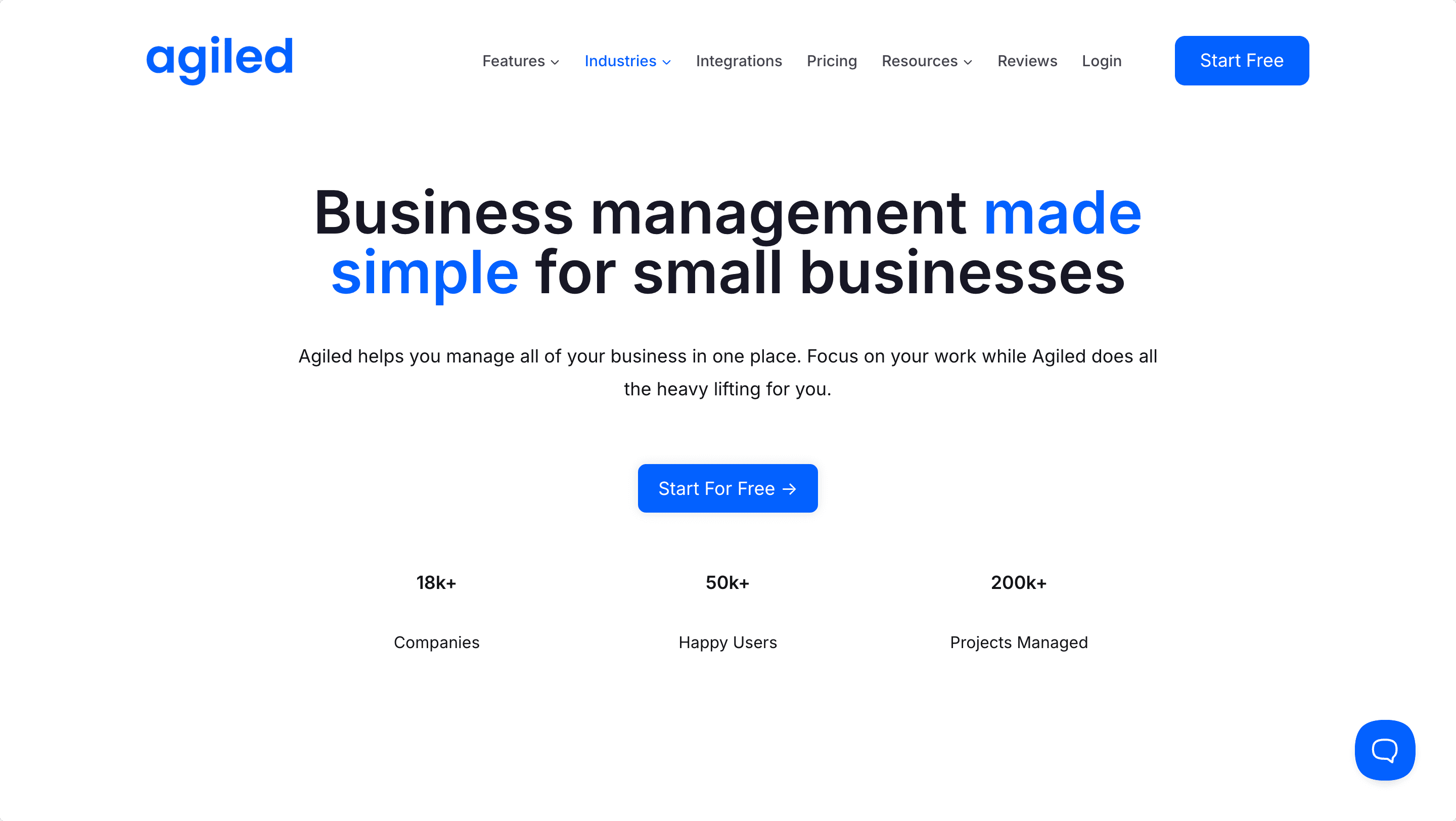
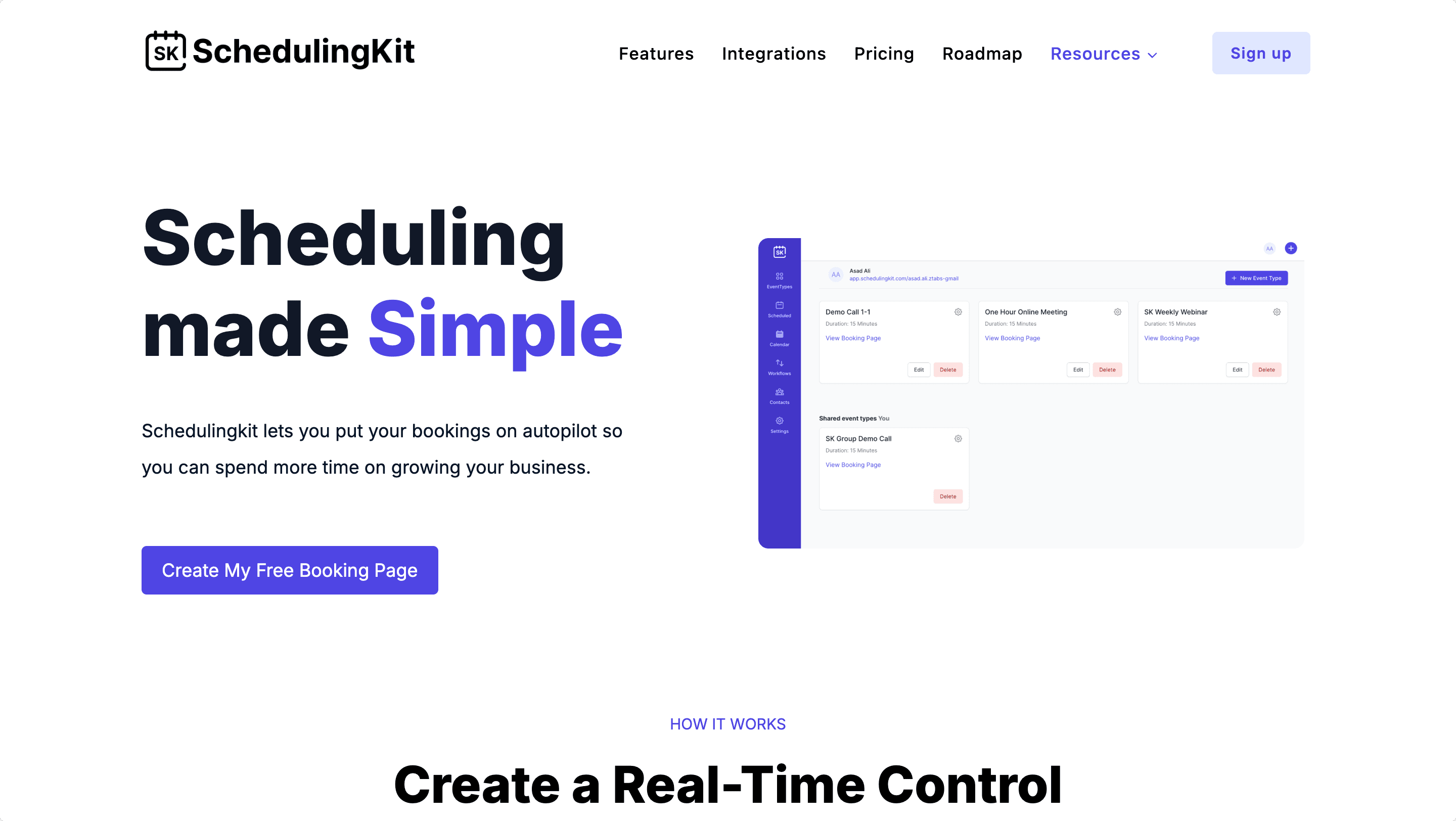
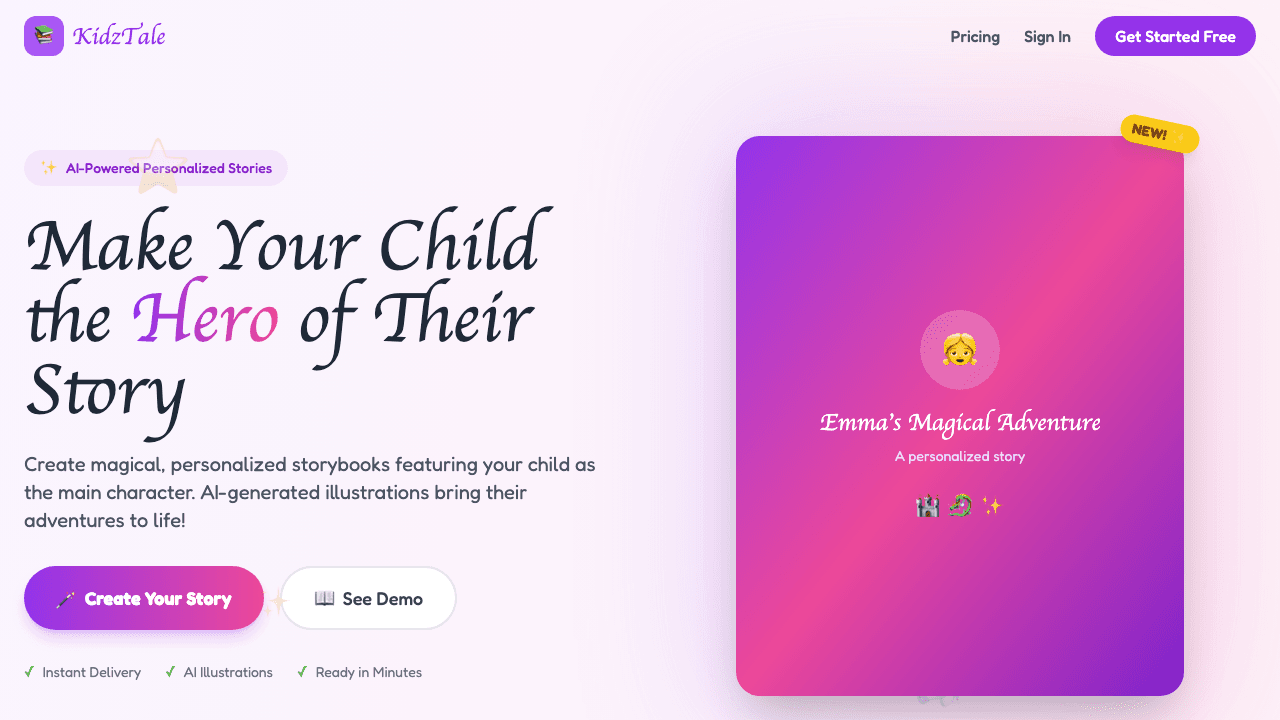
UI/UX design is the difference between a product people tolerate and one they recommend. We've designed interfaces for 23 of our own products and hundreds of client projects — that volume of shipping experience means we know which design patterns actually work in production, not just in Dribbble mockups. Our process starts with UX research: user interviews, task analysis, competitor audits, and heuristic evaluations.
We identify where users get stuck, what they skip, and what makes them leave. Then we design solutions grounded in that evidence — not personal aesthetic preferences. We create wireframes first (low-cost to iterate on), test them with real users, and only then invest in high-fidelity visual design.
For product design, we build complete design systems in Figma: reusable component libraries with variants for every state (default, hover, active, disabled, error, loading), responsive breakpoints, dark mode support, and accessibility compliance. These systems translate directly to code — our developers implement them pixel-perfect using Tailwind CSS and Radix UI primitives. For UX audits on existing products, we use heatmaps, session recordings, and conversion funnel analysis to identify the highest-impact improvements.
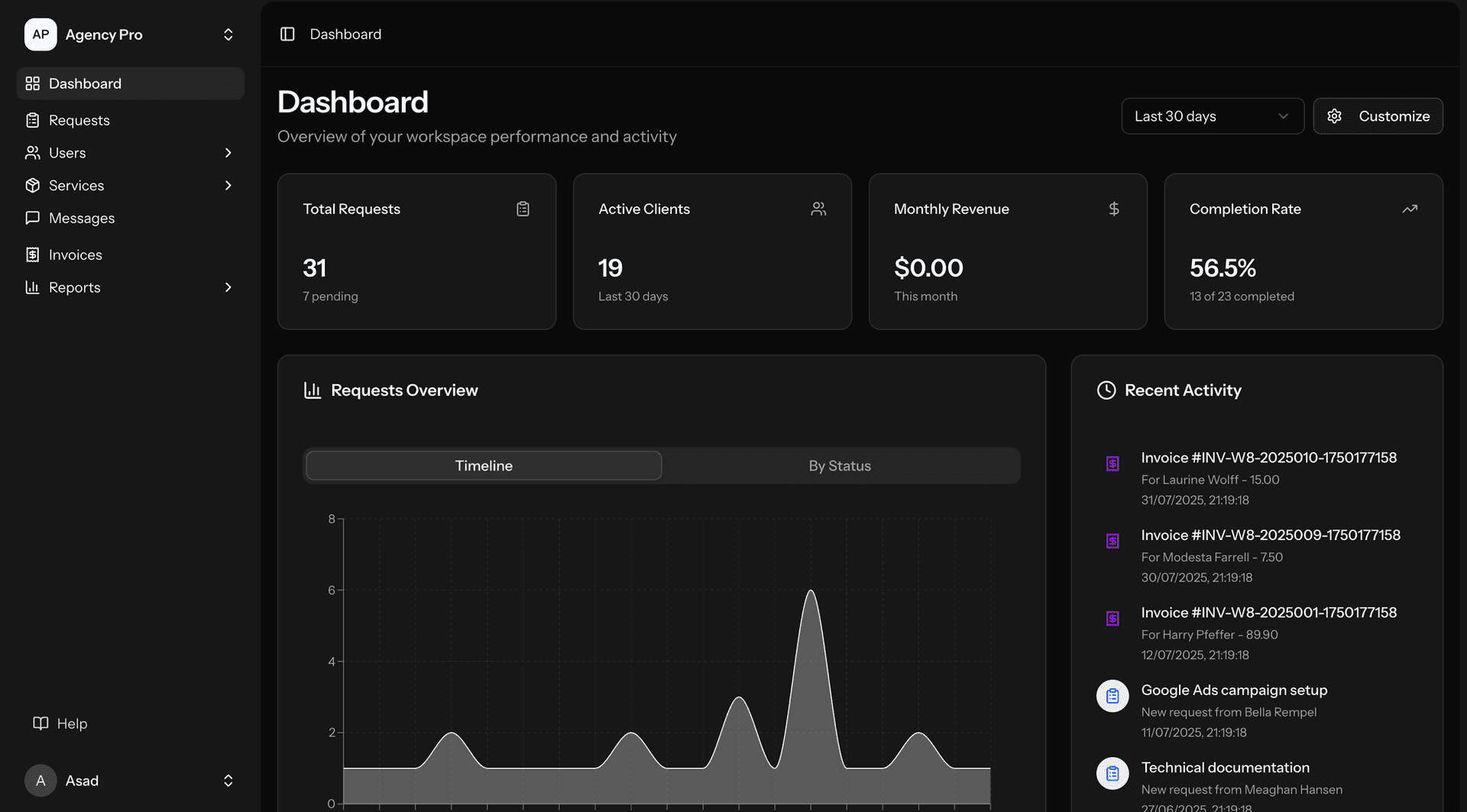
We typically find 3–5 friction points that, when fixed, improve conversion by 20–40%. We design for AI interfaces too — chatbot UIs, agent dashboards, and data visualization for ML outputs — where the design challenge is making complex AI behavior understandable and trustworthy to users.