How We Approach Multi-Agent Orchestration
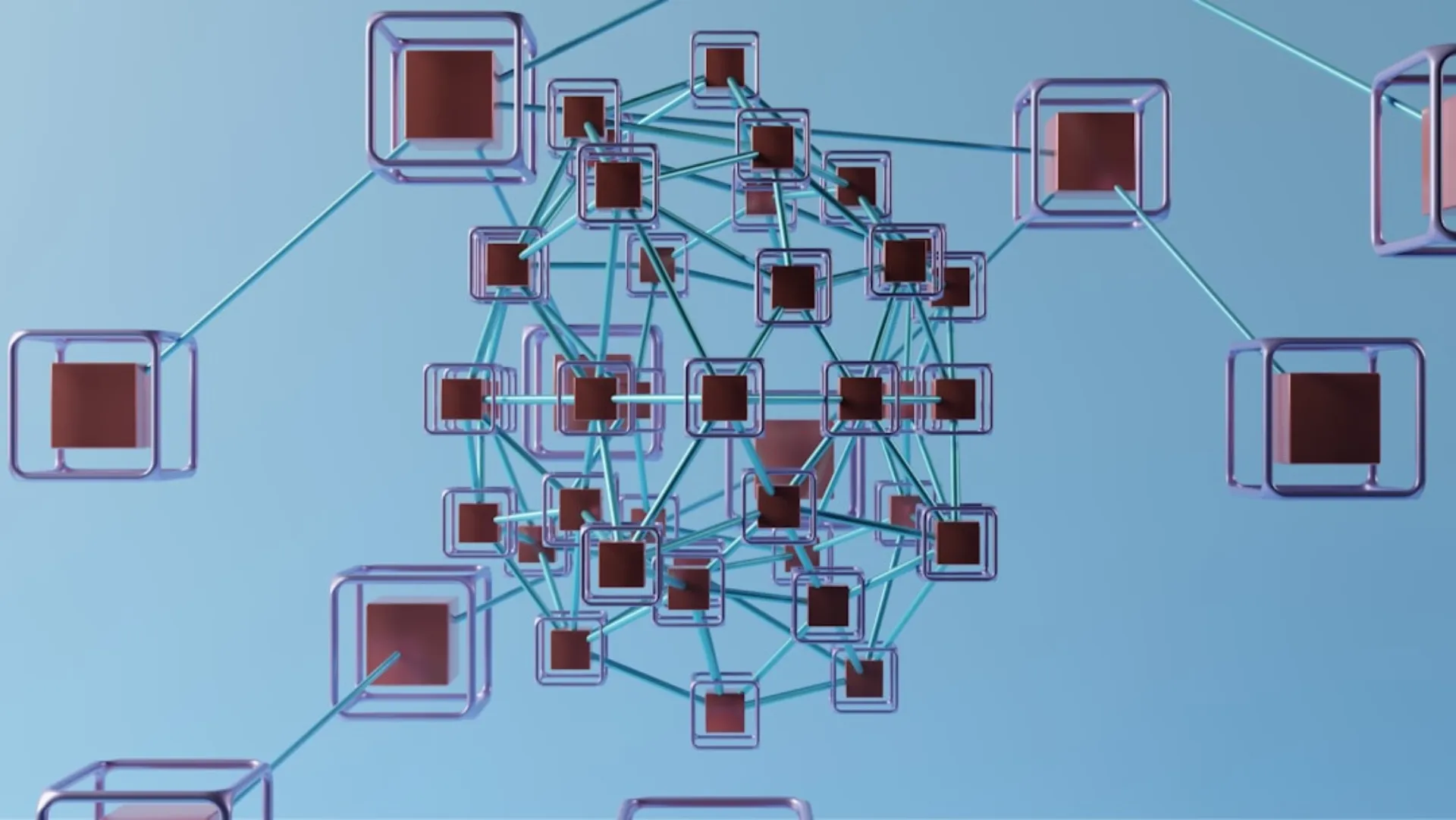
Single agents are powerful. Multi-agent systems are transformative. When you orchestrate teams of specialized AI agents — each with its own role, tools, and expertise — you can automate workflows that no single agent could handle alone.
A due diligence pipeline where a research agent scrapes filings, a financial agent analyzes ratios, a legal agent flags risks, and a summary agent produces the final report. At ZTABS, we build multi-agent systems using CrewAI, LangGraph, and custom orchestration frameworks. We design agent architectures where agents communicate, delegate tasks, share context, and coordinate their actions — with human oversight at critical decision points.
The key to production multi-agent systems is reliability. Individual agents fail, hallucinate, and get stuck. Our orchestration layer handles retries, fallbacks, context management, cost tracking, and graceful degradation.
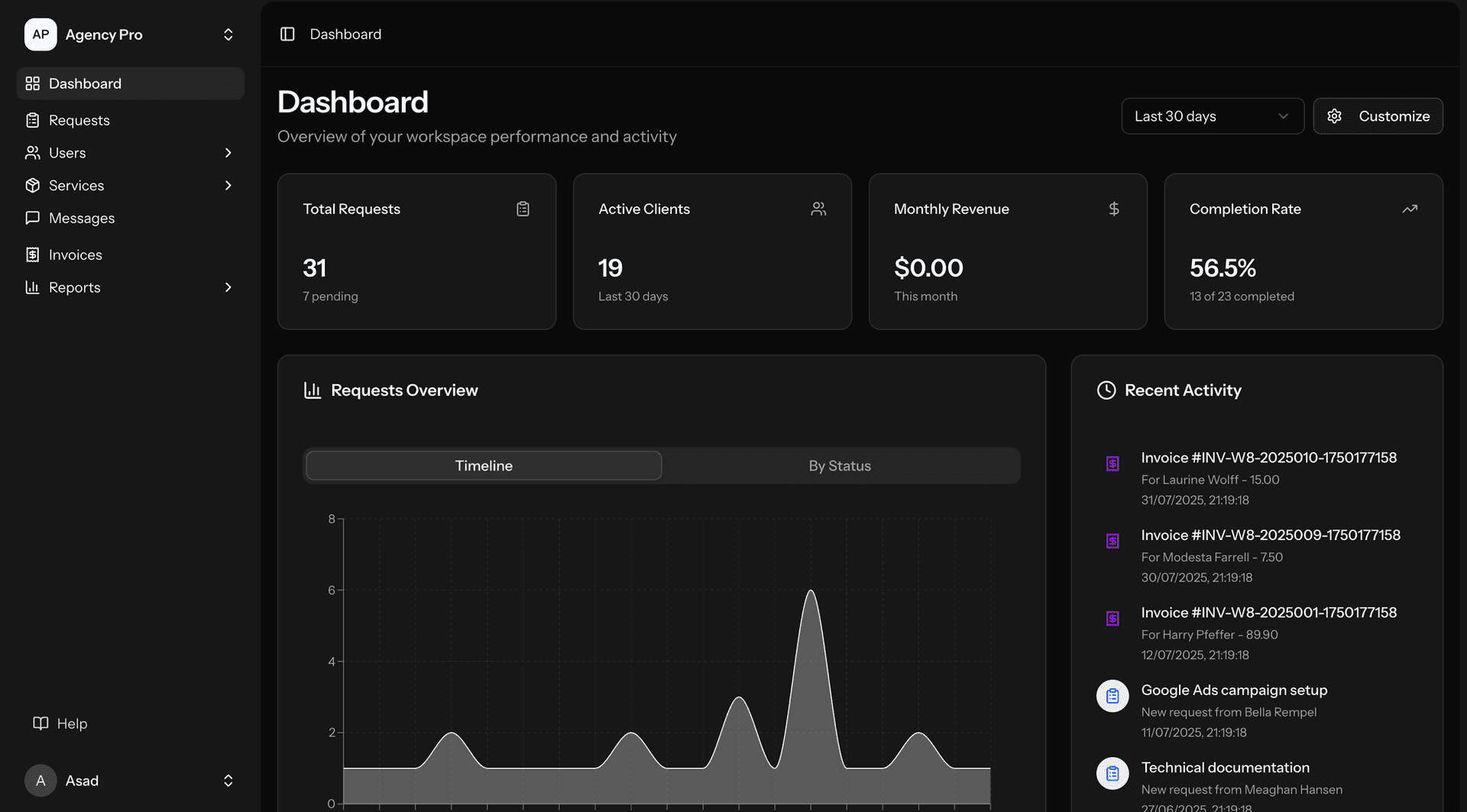
We implement supervisor patterns, hierarchical delegation, and consensus mechanisms depending on the workflow requirements. We also build the observability layer: dashboards that show which agent is doing what, how long each step takes, what it costs, and where failures occur. This is what separates demo-quality agent systems from production infrastructure that enterprises trust with real business processes.