How We Approach SaaS Development
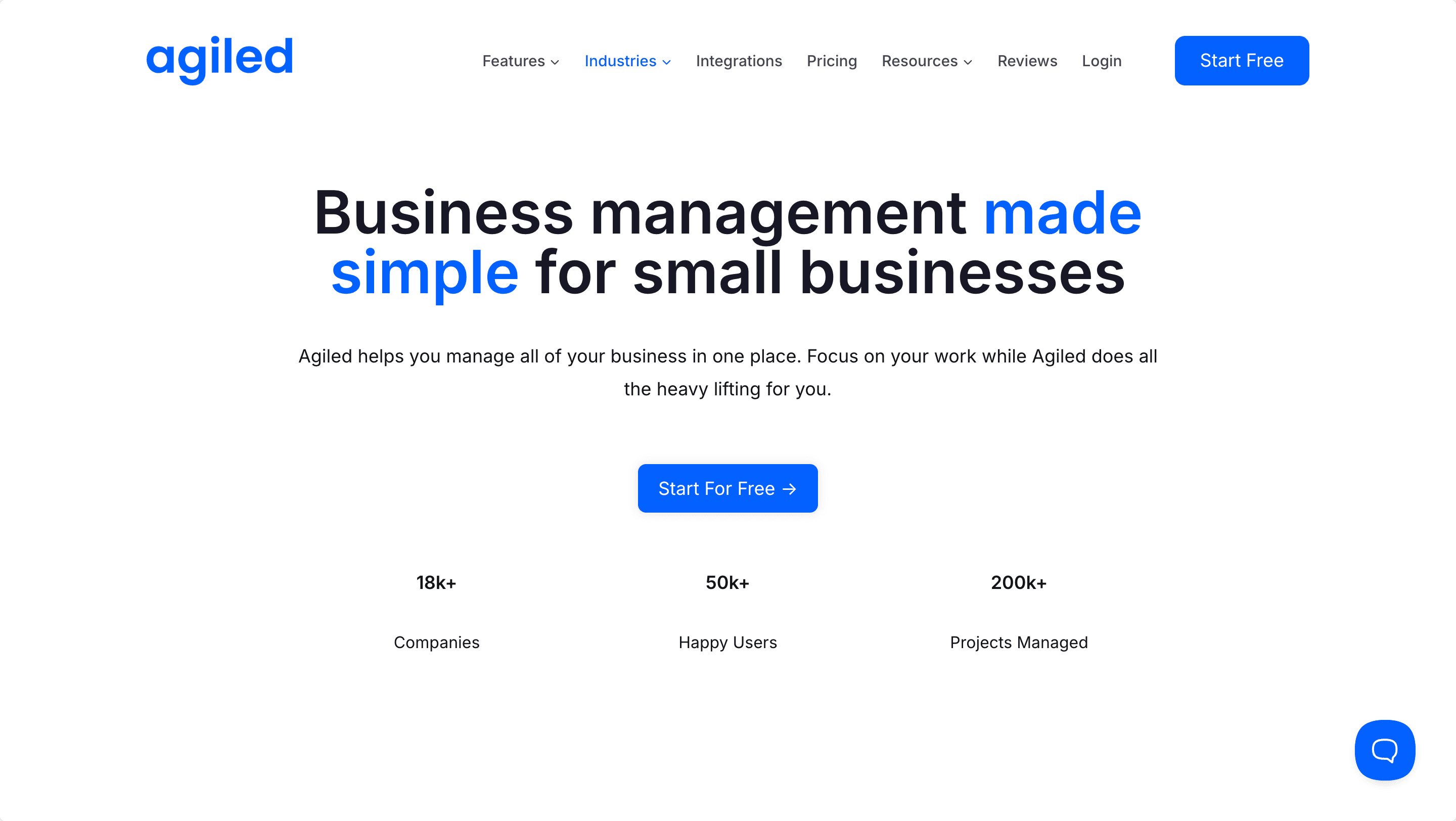
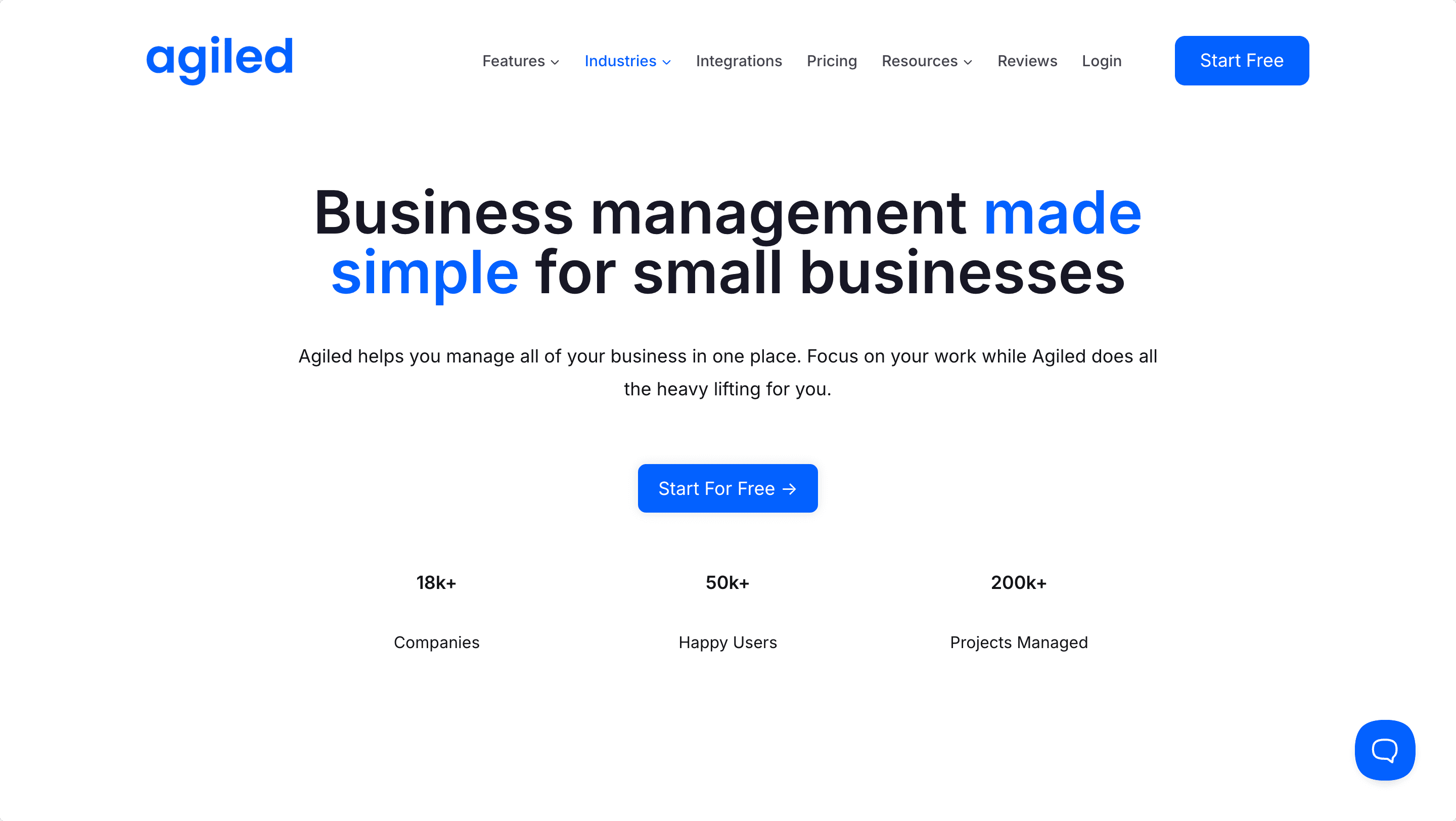
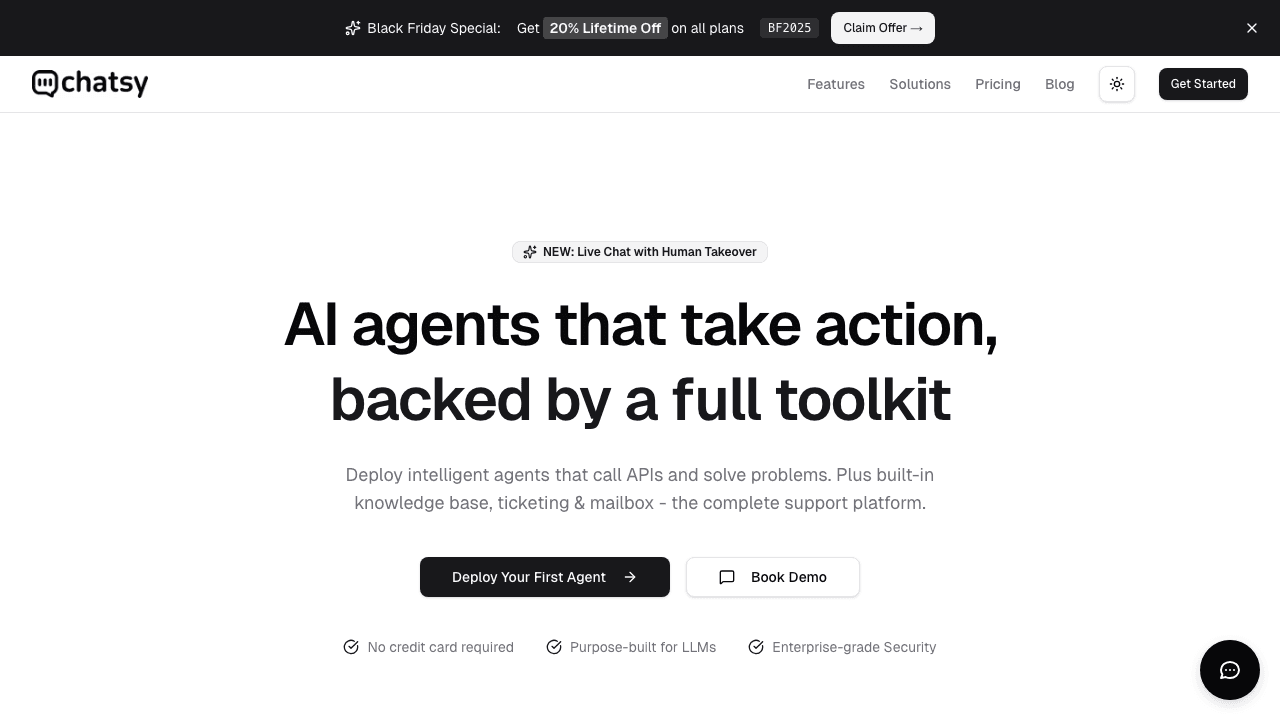
SaaS development is our core business — we've built 23 SaaS products of our own, including Agiled (all-in-one business management), Jeeny (AI-powered POS for retail), and Chatsy (AI chatbot builder). That production experience means we understand not just how to write code, but how to build a product that acquires users, converts them to paying customers, and retains them. We build SaaS platforms on Next.js and React for the frontend, Node.js or Python for the backend, and PostgreSQL or MongoDB for the database — hosted on AWS, Vercel, or GCP depending on your scale and budget requirements.
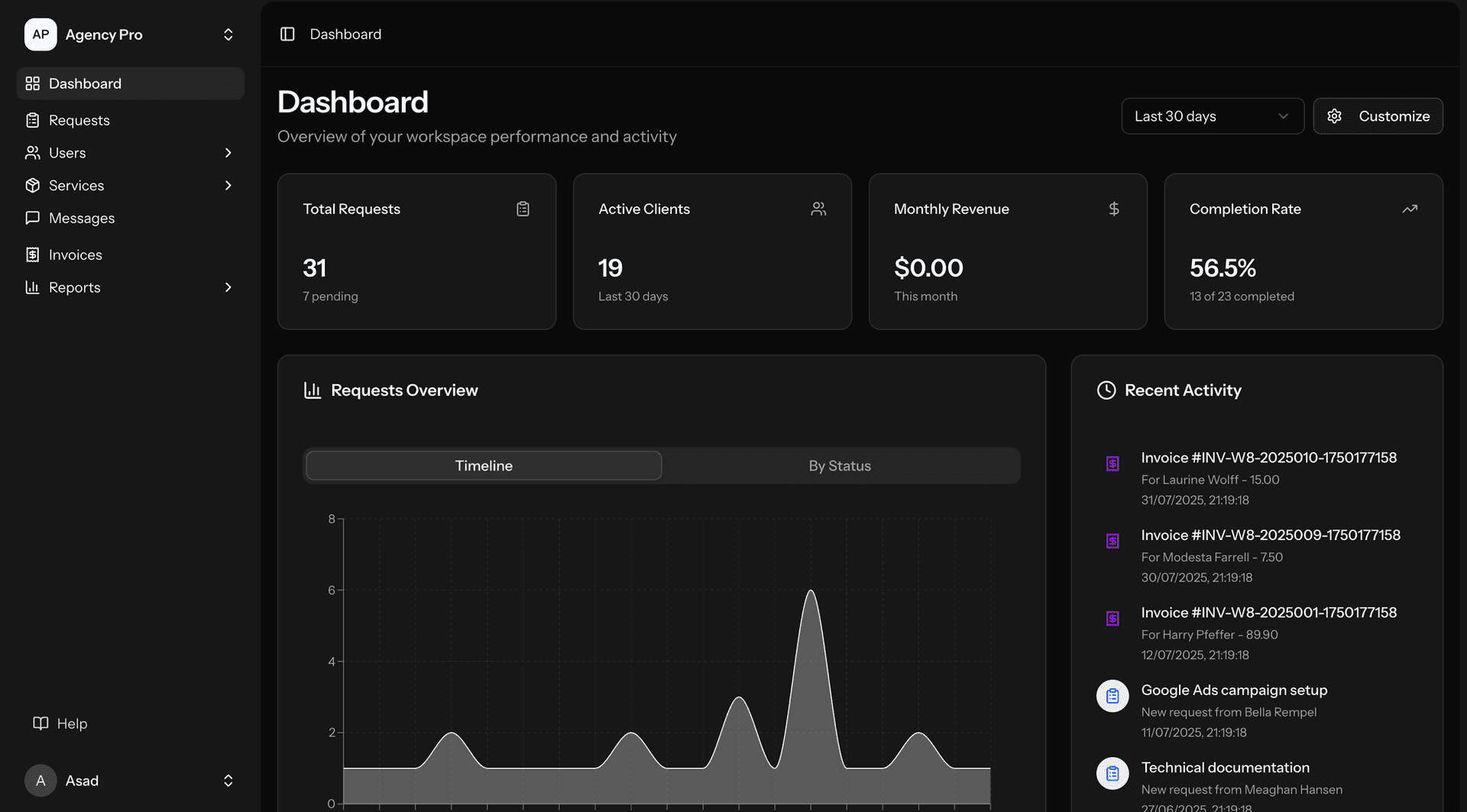
Every SaaS product we ship includes multi-tenancy (data isolation between customers), role-based access control, subscription billing integration (Stripe, Paddle, or LemonSqueezy), usage analytics, and admin dashboards. For AI-powered SaaS, we add LLM integration with cost controls, usage-based billing for AI features, and model routing that balances quality and cost. The development process starts with a 2-week product discovery sprint where we define core user flows, pricing model, and MVP scope.
We ship MVPs in 8–12 weeks, then iterate based on real user behavior — feature adoption metrics, churn analysis, and user feedback loops. We've helped 40+ SaaS startups go from idea to paying customers, and 15+ enterprise companies launch internal SaaS platforms.