How We Approach MVP Development
An MVP is not a cheap version of your product — it's the smallest thing you can build to test whether your core assumption is true. Most startups fail not because they can't build the product, but because they build the wrong product. We've helped 40+ startups ship MVPs, and the ones that succeed share a pattern: they define one core value proposition, validate it with real users in 6–8 weeks, and then iterate based on data instead of assumptions.
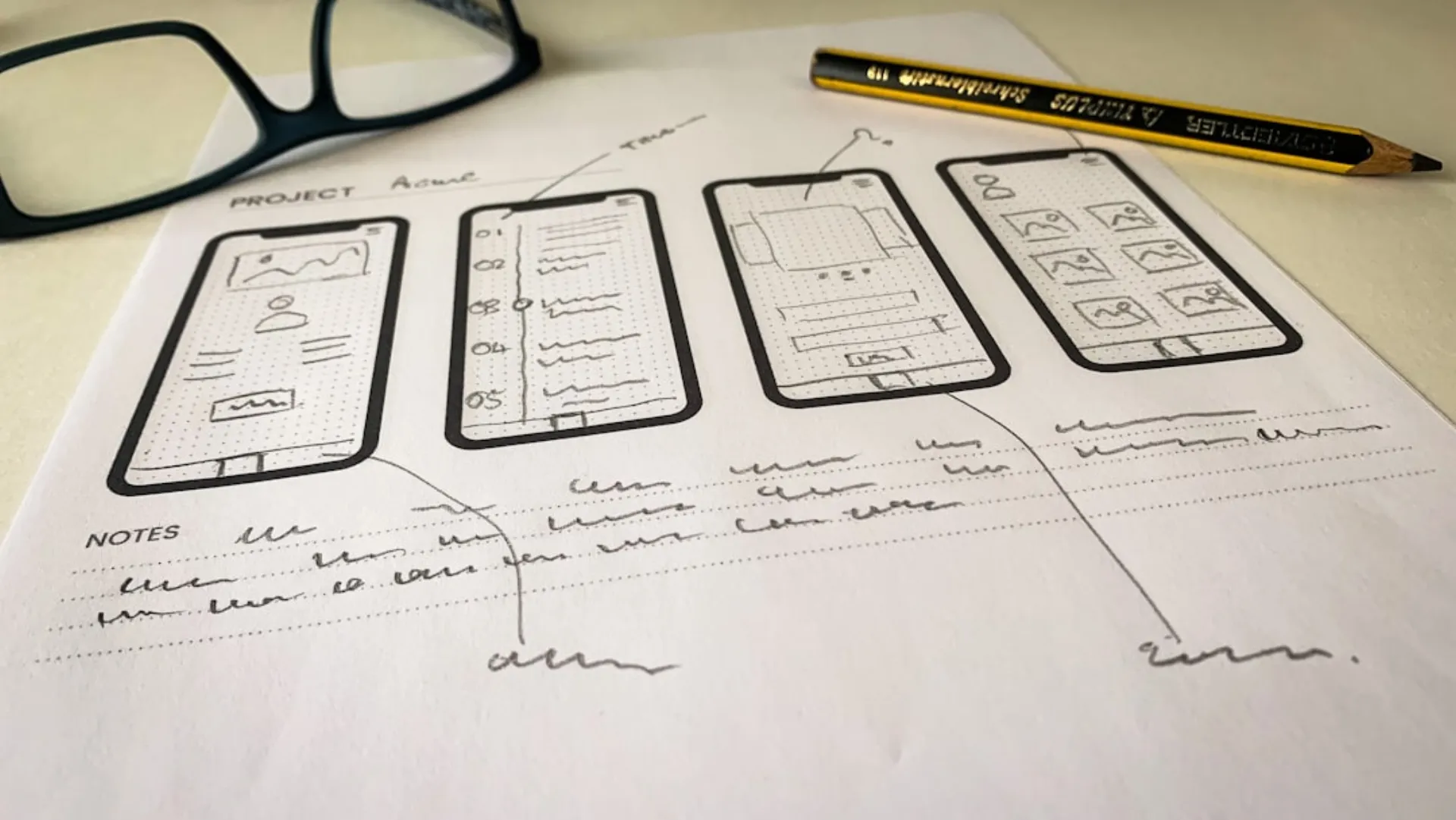
Our MVP process starts with a 1-week product sprint where we distill your vision into a prioritized feature list, user flow diagrams, and a technical architecture that can scale when you're ready — but doesn't over-engineer for day one. We build MVPs primarily with Next.js, React, and Node.js because this stack lets us move fast while producing production-quality code (not throwaway prototypes that need to be rewritten). For AI-powered MVPs, we integrate LLM features, RAG pipelines, or AI agents from the start — not as a phase-two add-on.
Every MVP we ship includes user analytics (Mixpanel or PostHog), error monitoring (Sentry), and a deployment pipeline so you can ship updates daily. We also prepare investor-ready materials: architecture documentation, scalability roadmaps, and cost projections. Budget typically ranges from $25,000–$60,000 for a web MVP and $40,000–$80,000 for a mobile MVP, delivered in 8–12 weeks.